
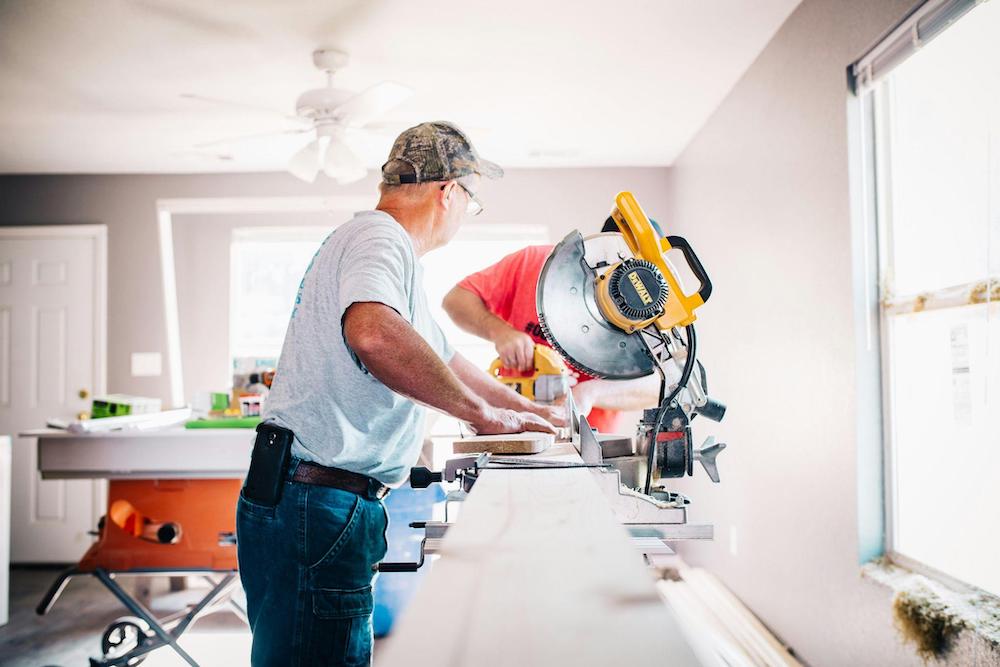
Reducing renovation waste starts long before the first wall comes down or new materials arrive. Many remodeling projects generate unnecessary waste because of rushed decisions, inaccurate measurements, or last-minute design changes. When homeowners plan carefully, reuse existing materials, and visualize their finished space before ordering supplies, they can save money while keeping perfectly usable materials out of landfill.

According to the U.S. Environmental Protection Agency, construction and demolition activities generate hundreds of millions of tons of debris each year. While not every renovation can be waste-free, thoughtful planning goes a long way toward reducing unnecessary disposal. Whether you’re refreshing a single room or renovating an entire home, making smarter choices upfront benefits both your budget and the environment.
Why Reducing Renovation Waste Matters
Home renovations often create more waste than people expect. Old cabinetry, drywall, flooring, packaging, broken tile, surplus paint, and unused building materials can quickly pile up.
Fortunately, much of this waste is avoidable. Rather than focusing only on demolition, homeowners should also consider how to preserve, repurpose, or donate materials before construction begins.
Some of the easiest ways to reduce waste include:
- Restoring cabinets instead of replacing them.
- Refinishing hardwood flooring.
- Reusing interior doors and trim.
- Donating usable fixtures to local reuse centres.
- Choosing timeless finishes that won’t require frequent updates.
These small decisions often have a much bigger environmental impact than purchasing new “green” products alone.
How Reducing Renovation Waste Starts With Better Planning
One of the biggest sources of renovation waste is changing your mind after materials have already been ordered.
A backsplash that looked perfect in the showroom may feel too dark once installed. A kitchen island might interrupt traffic flow. Flooring direction or cabinet placement may seem obvious on paper but look completely different in the finished room.
Planning tools help eliminate much of this uncertainty. Professional architectural rendering services allow homeowners to preview layouts, lighting, colours, and materials before construction begins. Rather than relying on imagination or tiny product samples, you can compare different options digitally and make informed decisions before purchasing materials.
That means fewer ordering mistakes, fewer tear-outs, and less waste overall.
Upcycling Existing Materials Before Buying New
One of the most sustainable renovations is often the one that makes the most of what’s already there.
Instead of automatically replacing everything, look for opportunities to upgrade existing features.
Popular upcycling ideas include:
- Painting or refacing kitchen cabinets.
- Turning reclaimed timber into floating shelves.
- Repurposing old doors as tabletops or headboards.
- Building mudroom benches from demolition lumber.
- Using leftover tile to create backsplashes or mosaic accents.
- Transforming stone offcuts into garden edging or stepping stones.
These projects not only reduce waste but also give your home character that brand-new materials often can’t replicate.
Choosing Materials You’ll Love for Years
Many renovation materials end up in landfill simply because homeowners regret their choices.
Visualizing finishes before purchasing can help avoid this problem. Comparing reclaimed wood beside new flooring, testing paint colours under different lighting conditions, or seeing how recycled materials fit within the overall design can prevent expensive replacement projects later.
This is especially valuable when working with reclaimed or specialty materials that may be difficult to source again if mistakes occur.
Taking more time during the planning stage usually means buying fewer materials overall.
Studios That Can Support Smarter Planning
If you’re considering digital visualization before renovating, several studios specialize in architectural rendering. While every project has different needs, these companies offer services that may help homeowners make more informed decisions before construction begins.
- Render Vision specializes in photorealistic architectural visualization for residential and commercial projects, making it useful for comparing layouts and material choices before installation.
- OmegaRender focuses on realistic lighting and material rendering, allowing homeowners to preview how finishes may appear under different natural and artificial lighting conditions.
- Brick Visual is known for creating highly detailed architectural imagery that helps clients better understand how spaces will function before construction begins.
- Render 3D Quick offers fast rendering turnaround, making it useful when comparing multiple layouts or design revisions during planning.
- ZOA Studio creates detailed visualizations and animations that can help homeowners evaluate custom cabinetry, modular furniture, and built-in features before fabrication.
- Beauty & The Bit emphasizes artistic architectural visualization, making it easier to assess colour palettes, textures, and natural materials before making purchasing decisions.
Rather than replacing good design or thoughtful planning, these visualization tools simply give homeowners another way to avoid costly mistakes before materials are ordered.
Small Decisions Add Up to Big Environmental Benefits
Reducing waste isn’t about achieving perfection. It’s about making better decisions throughout the renovation process.
Simple habits can make a meaningful difference:
- Measure carefully before ordering materials.
- Donate reusable fixtures instead of throwing them away.
- Save leftover lumber for future DIY projects.
- Purchase only the materials you need.
- Choose durable finishes that won’t require frequent replacement.
- Repair quality furniture instead of buying new.
Many of these strategies save money while reducing your renovation’s environmental footprint.
Reducing Renovation Waste Creates Better Homes
Reducing renovation waste is ultimately about building smarter rather than simply building more. Careful planning, thoughtful material choices, and creative upcycling all help create homes that are both beautiful and sustainable.
Whether you’re restoring original hardwood floors, transforming reclaimed timber into custom shelving, or using digital visualization to avoid unnecessary purchases, every decision made before construction begins helps reduce waste later. The result is a renovation that protects your budget, preserves valuable materials, and creates a home you’ll enjoy for years to come.
