
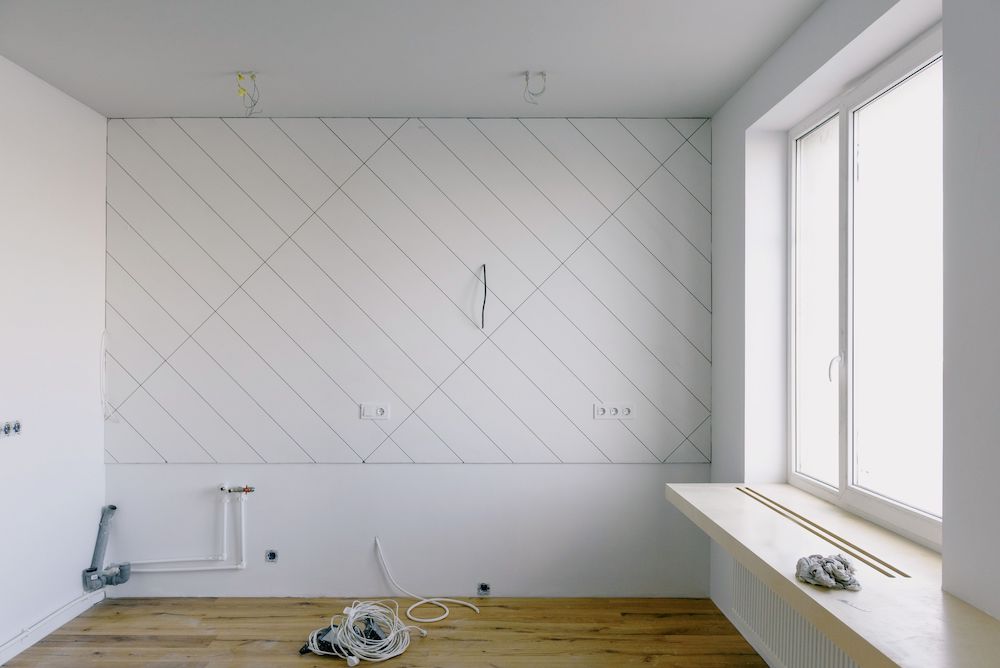
Renovation water damage often starts with a problem that was already hiding behind walls, under floors, or around plumbing fixtures. Once you start pulling a room apart, those hidden issues can suddenly become impossible to ignore.
That isn’t necessarily bad news. Renovation gives you an opportunity to repair rather than replace, preserve materials that are still usable, and prevent a small moisture problem from destroying more of your home. However, if you cover up damp materials or rush through waterproofing and plumbing work, the renovation itself can make matters worse.
The goal should be to fix the underlying problem first. Then you can confidently reuse, restore, and rebuild without trapping water behind your newly finished surfaces.
Common Causes of Renovation Water Damage
Renovations tend to make existing water problems worse in a few predictable ways:
- Covering existing moisture before materials have fully dried
- Skipping or incorrectly installing waterproofing in wet areas
- Moving or modifying plumbing without checking connections
- Using materials that aren’t suitable for humid environments
- Failing to provide enough ventilation
Whether you’re tackling a full bathroom remodel or giving an older room a second life, moisture deserves attention before the cosmetic work begins.
This is particularly important when you’re trying to preserve existing materials. A solid subfloor, timber vanity, or section of drywall may be perfectly salvageable if you identify the source of moisture early enough.
Don’t Trap Moisture Behind New Finishes
One of the most damaging renovation mistakes is installing new finishes over damp materials. Tile, wall panels, flooring, and even fresh paint can conceal moisture instead of allowing the area to dry.
Everything may look perfect when the renovation is complete. Behind the surface, however, moisture can gradually damage framing, insulation, drywall, and subflooring. Mold may also develop before you notice visible signs of trouble.
Give wet areas enough time to dry before covering them. If materials are still structurally sound, proper drying can sometimes save them from unnecessary replacement.
This is where a repair-first approach pays off. Removing everything simply because it got wet can create needless construction waste. At the same time, keeping materials that are damaged beyond repair can compromise the entire renovation. Assess first, salvage what you safely can, and replace only what needs to go.
Choose Reclaimed Materials Carefully
We love reclaimed wood, salvaged furniture, vintage fixtures, and creative reuse. A renovation can be a fantastic opportunity to give old materials another life.
Bathrooms, laundry rooms, and other moisture-prone areas require a little more caution.
Previously used materials may have hidden deterioration or previous moisture damage. Others simply aren’t designed to cope with repeated exposure to water or high humidity.
For example, a reclaimed wood vanity may work beautifully when properly sealed and kept away from standing water. An old cabinet made from swollen particleboard probably isn’t worth saving for a bathroom installation.
The same principle applies to reused plumbing fixtures. Inspect connections, seals, and fittings carefully before installation. A slow drip from a poorly connected fixture can turn a clever reuse project into a much bigger repair, leaving you handling a sudden water leak at home instead of enjoying the finished space.
Plumbing Shortcuts Can Cause Renovation Water Damage
Plumbing changes made during a renovation can create problems that remain hidden until significant damage has occurred.
Improperly joined supply lines, poorly vented drains, and relocated pipes can all allow slow leaks to develop inside walls or beneath flooring. Because these leaks are concealed, they may continue for months before swelling, staining, or soft flooring becomes noticeable.
Treat rough-in plumbing as one of the most important stages of the project. Check connections before drywall, cabinetry, flooring, or tile makes the pipes difficult to access.
It can also help to think about future repairs while renovating. Where practical, avoid designs that make shut-off valves and important connections unnecessarily difficult to reach. Making a home repairable is an often-overlooked part of sustainable design.
Waterproof Before You Decorate
Bathrooms and other wet areas need more than water-resistant surface finishes. The materials underneath them need protection too.
Grout and tile alone aren’t a complete waterproofing system. Showers, tub surrounds, and other regularly wet areas typically require appropriate waterproofing behind the finished surface.
This stage isn’t particularly exciting compared with choosing tile or restoring a vintage vanity, but it protects everything you’ve put into the renovation.
Good moisture control can also extend the life of reclaimed and existing materials elsewhere in the room. The longer those materials remain useful, the less likely they are to end up being ripped out and replaced during another renovation a few years later.
Permits and Inspections Help Prevent Water Damage
Permits can feel like an inconvenient part of renovation, but inspections provide an important safeguard against water-related construction mistakes.
Building inspections may identify plumbing errors, drainage problems, and code violations before walls are closed. They’re particularly valuable when fixtures are being moved, supply lines are being replaced, or plumbing systems are substantially altered.
For work that goes beyond your DIY abilities, professional help can also prevent an expensive mistake. A small plumbing problem is much easier to address while the wall is already open than after you’ve installed new drywall, tile, cabinetry, and trim.
Fixing it at the right stage also prevents another round of demolition and wasted materials.
Watch for Warning Signs After Renovating
Even a carefully planned renovation deserves monitoring once the work is finished.
Watch for soft flooring, swelling trim, peeling paint, discolored grout, musty odors, persistent condensation, or mildew around corners and ceilings. Moisture around flooring seams, fixture bases, or nearby walls can also indicate a hidden plumbing problem.
Pay attention to ventilation too. If a bathroom remains humid long after a shower, the exhaust system may not be removing enough moisture.
Catching these signs early gives you a much better chance of making a targeted repair. Ignore them, and a small problem may eventually require flooring, drywall, cabinetry, or other materials to be removed and replaced.
Prevent Renovation Water Damage Before You Begin
The most sustainable renovation isn’t necessarily the one filled with the most reclaimed materials. It’s the one that lasts.
Before you start choosing finishes, look for existing leaks, water stains, soft materials, damaged seals, and signs of excess humidity. Repair the source of the problem and allow wet materials to dry completely. Then decide what can be restored, reused, or upcycled.
Plan waterproofing and ventilation at the same time as your layout. Check plumbing work before covering it. Finally, make important connections accessible enough that future repairs don’t require unnecessary demolition.
Water damage rarely announces itself immediately. By addressing moisture before the walls are closed, you protect your renovation, preserve more of the materials you already have, and reduce the likelihood that today’s beautiful remodel becomes tomorrow’s pile of construction waste.
