

Minimalist interior finishing details have become one of the defining features of contemporary home design. Today’s homeowners are embracing cleaner spaces, purposeful design, and timeless finishes instead of excessive ornamentation. While furniture and colour schemes often get the most attention, it’s the finishing details that quietly shape how a room looks and feels. Thoughtful choices can create a polished interior without adding visual clutter, proving that sometimes less truly is more.
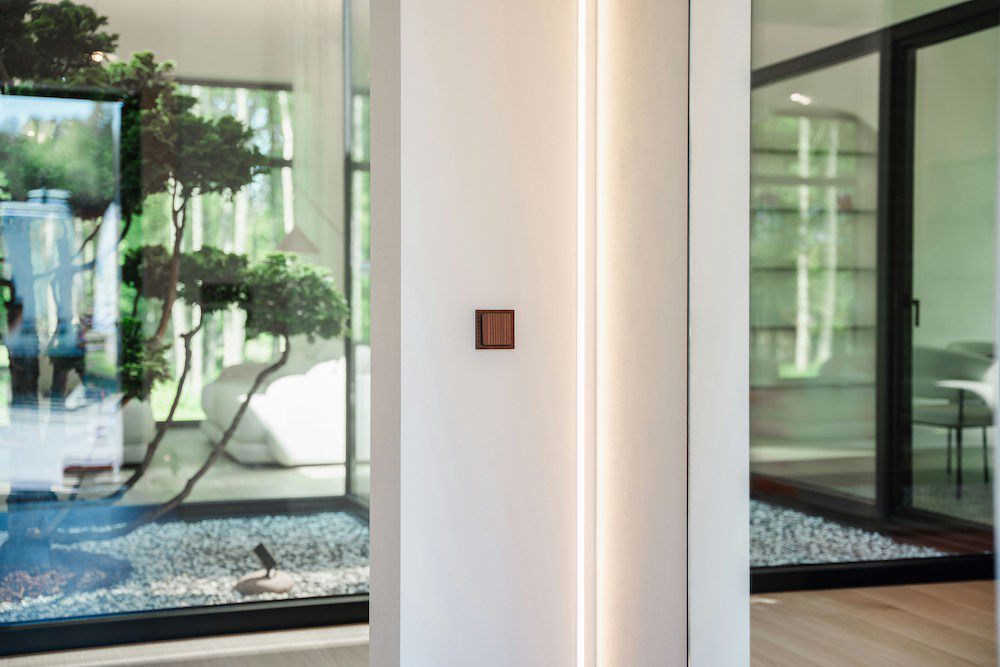
Minimalism is about far more than owning fewer possessions. It encourages intentional living, efficient use of space, and selecting materials that offer both beauty and function. Better still, minimalist interiors naturally complement sustainable living and upcycling, making them an excellent choice for homeowners who want stylish spaces with a lighter environmental footprint.
Why Minimalist Interior Finishing Details Continue to Grow in Popularity
Minimalist design has become far more than a passing trend because it solves many challenges of modern living. Open, uncluttered rooms feel calmer, require less maintenance, and often appear larger than heavily decorated interiors.
Instead of filling every wall or surface, minimalist homes focus on:
- Clean architectural lines
- Neutral colour palettes
- Functional furniture
- Quality craftsmanship
- Carefully selected décor
This approach creates timeless interiors that are easy to update over the years. Rather than completely redecorating, homeowners can refresh a room by changing a few carefully chosen pieces while the overall design remains relevant.
How Minimalist Interior Finishing Details Create Visual Impact
One of the defining characteristics of minimalist design is that every element serves a purpose. With fewer decorative features competing for attention, the finishing details naturally become more important.
Trim, door casings, lighting, hardware, and thin skirting boards all contribute to a clean, cohesive appearance without overwhelming the space. These subtle finishing touches create crisp transitions between surfaces while maintaining the understated aesthetic modern homeowners appreciate.
Because the design is restrained, even small improvements can elevate an entire room.
Creating More Space With Simplicity
Minimalist interiors are designed to maximize the feeling of openness.
Visual clutter quickly makes a room feel smaller, even when the square footage is generous. Simplified finishes allow natural light, architectural features, and carefully selected furniture to become the focal points.
Achieving this effect doesn’t always require a major renovation. Removing unnecessary decorative trim, simplifying shelving, or replacing bulky furniture with streamlined pieces can dramatically improve the sense of space.
Well-planned storage also supports minimalist living by reducing everyday clutter and keeping surfaces clear.
Upcycling Naturally Complements Minimalist Design
Some people mistakenly believe minimalist homes require buying expensive new furniture. In reality, minimalism often pairs beautifully with upcycling because both encourage thoughtful consumption.
Rather than replacing quality furniture, consider giving existing pieces a second life.
Simple upcycling ideas include:
- Sanding and refinishing an old dining table.
- Painting mismatched furniture in a cohesive neutral colour.
- Reupholstering vintage chairs with simple fabrics.
- Building floating shelves from reclaimed wood.
- Updating old dressers with modern hardware.
- Repurposing glass jars as pantry or bathroom storage.
Minimalist spaces typically showcase fewer furniture pieces, making it worthwhile to restore quality items instead of replacing them.
Why Minimalist Interior Finishing Details Prioritize Quality Over Quantity
The phrase “buy less, choose well” perfectly captures the philosophy behind minimalist interiors.
When fewer items occupy a room, each one carries greater visual importance. Investing in durable materials and quality craftsmanship often creates interiors that remain attractive for decades instead of following short-lived trends.
This philosophy aligns naturally with upcycling. Older solid wood furniture was often built to a higher standard than many mass-produced alternatives available today. With thoughtful restoration, these pieces become standout features while keeping valuable materials out of landfill.
Choosing one beautifully restored cabinet instead of several inexpensive replacements is often the more sustainable and visually appealing option.
Balancing Function and Style
Minimalism is never about removing practical features simply to achieve a certain look.
Interior finishing details continue to perform essential functions throughout the home by:
- Protecting walls from scuffs and impacts.
- Covering flooring expansion gaps.
- Creating clean transitions between materials.
- Delivering a polished finished appearance.
- Making edges easier to clean.
The difference is that these elements blend naturally into the overall design instead of demanding attention.
This balance between beauty and practicality is one reason minimalist interiors continue to age gracefully.
Sustainable Living Starts With Intentional Design
Minimalist living and sustainable living naturally support one another.
Buying fewer, higher-quality products reduces waste while encouraging homeowners to care for what they already own. Rather than replacing furniture every few years, minimalist homes evolve through thoughtful improvements and long-lasting materials.
You can make your home more sustainable by:
- Restoring furniture before replacing it.
- Choosing reclaimed building materials.
- Donating usable décor instead of discarding it.
- Repurposing leftover renovation materials.
- Investing in timeless finishes instead of trendy ones.
Small decisions like these reduce environmental impact while often saving money over time.
Upcycling renovation leftovers is another simple win. Timber offcuts can become floating shelves, coat racks, planter boxes, decorative frames, or small storage trays instead of ending up in landfill. Even leftover paint can refresh tired furniture or decorative accessories, extending their lifespan while reducing waste.
Why Minimalist Interior Finishing Details Create Calmer Homes
Our homes have become places to work, relax, entertain, and recharge. As a result, many people are looking for interiors that promote focus instead of distraction.
Minimalist spaces often feel calmer because they reduce unnecessary visual noise. Rather than filling every shelf with decorative accessories, homeowners can highlight meaningful artwork, restored heirlooms, handmade décor, or carefully upcycled furniture that reflects their personality.
The goal isn’t to create an empty home. It’s to create one where every object serves a purpose or brings genuine enjoyment.
Timeless Design Is Always in Style
Design trends will always evolve, but minimalist interior finishing details continue to prove their value because they prioritize thoughtful design over unnecessary decoration.
When paired with upcycling and sustainable living, minimalist interiors encourage homeowners to buy less, restore more, and choose quality materials that stand the test of time. Whether you’re renovating an entire home or simply updating a single room, focusing on intentional finishing details creates a space that feels elegant, functional, and welcoming for years to come. By embracing simplicity and giving existing materials a second life wherever possible, you can create a home that’s as sustainable as it is beautiful.
