
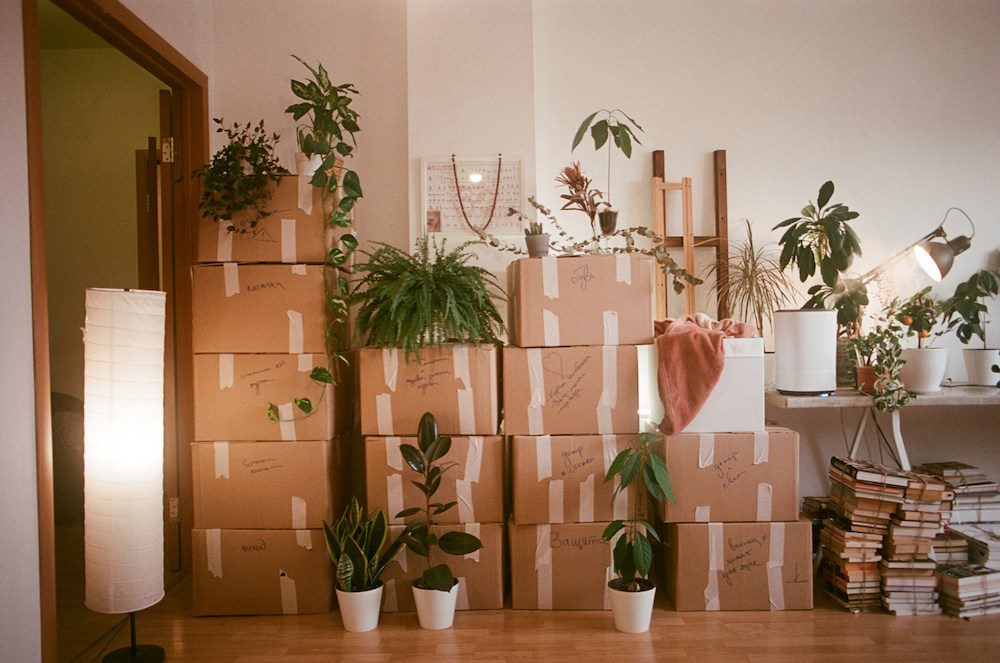
Before you start packing, remember that moving smarter starts long before the first box is taped shut. A move or major home reorganization looks simple until hallways fill, labels blur, and important items end up in the wrong place. That is when weak planning starts to cost time, money, and control.
For households, property managers, and small organizations, the real fix is usually not more storage. It is better space planning tied to practical security judgment. The right layout protects continuity, keeps routines moving, and reduces the friction that turns a busy week into a mess.
This matters most during transitions. Packing, decluttering, and temporary storage change how people move through a space. The more those changes are planned in advance, the less likely it is that documents, tools, or access items become hard to track or recover.
Looking at what you already own can make the process easier. Upcycled storage solutions, repurposed furniture, and reusable containers help create order without spending money on brand-new organizing systems.
Why Poor Organization Creates Bigger Problems
Poor organization is rarely just inconvenient. Clutter blocks sightlines, slows response times, and makes it harder to tell what belongs where. A packed closet may seem harmless until someone cannot reach shutoffs, find a spare key, or confirm whether an item was moved or misplaced.
The same issue shows up during move prep. People often focus on boxes and overlook the real friction points:
- Entry control
- Document handling
- Staging areas
- Access management
Those gaps create confusion and can increase exposure if helpers or vendors are not managed closely. At that point, many organizations begin comparing fire life safety director service providers based on how they actually perform day to day.
Tighter organization takes more effort at the beginning, but that investment is usually cheaper than dealing with lost items, duplicate work, and unnecessary cleanup later.
Sort Items Before Packing Anything
Good space planning is not only about where things fit. It is also about what needs to stay accessible, what should remain private, and which items cannot be left to chance.
Treat the home like a working system instead of a collection of rooms. Every area serves a purpose and has a different tolerance for interruption.
Before packing, divide belongings into four categories:
- Daily-use essentials
- Temporary storage items
- Restricted or sensitive materials
- Items needed immediately after the move
This process becomes easier when you reuse containers you already own. Old baskets, decorative bins, wooden crates, and vintage suitcases can all become practical storage tools. Upcycling existing items helps reduce waste while making the transition more manageable.
An old dresser can also serve as a ready-made moving container. Instead of emptying every drawer, simply secure them with stretch wrap and move the piece as is.
Moving Smarter Includes Better Access Planning
Access is a control issue, not a convenience issue.
If a room, cabinet, or storage area contains important records, spare devices, medications, keys, or emergency supplies, access should be intentional.
Think beyond the final destination. During the transition, access rules should cover:
- The packing phase
- The transport phase
- The first day after arrival
A clear plan prevents important items from being forgotten or misplaced.
Repurposed filing cabinets, reused drawer organizers, and labeled mason jars can help keep smaller essentials visible and easy to find. Even empty shoeboxes and egg cartons can become organizers for screws, batteries, hardware, and cords.
Create Staging Areas That Support Oversight
A staging area should be easy to inspect without becoming a source of confusion. Packed items should remain separate from things that are still needed every day.
The best staging zones are predictable. Everyone involved should know:
- Where completed boxes belong
- Which area holds fragile items
- What should remain accessible
- Which items require approval before leaving
Simple systems reduce mistakes.
Keep these staging principles in mind:
- Keep one area for outbound items only.
- Separate daily-use supplies from packed inventory.
- Use visible labels that a third party can understand.
- Leave a clear path so important items can be checked without moving everything else.
Milk crates, thrifted baskets, and repurposed shelving units are excellent staging tools. They provide structure while giving old items a second life.
Moving Smarter Means Creating a Shared Plan
This is where many projects begin to fall apart. The homeowner may have a mental map, but movers, friends, cleaners, or temporary helpers do not.
Even well-intentioned people can move the wrong item or place sensitive belongings in the wrong area.
Written instructions help, but only if they are simple enough to follow under pressure. Overcomplicated systems often fail when they are needed most.
Instead, create one visible source of truth. A dry-erase board, chalkboard, or even a sheet of cardboard painted with chalkboard paint can become a reusable command center for the entire move.
Label each room clearly and use color-coded notes that everyone can understand.
Upcycled Storage Ideas That Make Moving Easier
Moving does not always require buying expensive bins and organizers. Some of the best solutions come from items that might otherwise be discarded.
Consider repurposing:
- Mason jars for nails, screws, and hardware
- Shoeboxes for electronics and charging cables
- Wooden crates for pantry supplies
- Vintage suitcases for linens and clothing
- Glass jars for craft materials
- Old baskets for bathroom essentials
- Reclaimed shelves for temporary storage stations
After the move, cardboard boxes can also enjoy a second life. Cut them down and turn them into drawer dividers, shelf liners, or garage organizers instead of throwing them away immediately.
These simple projects reduce waste while extending the usefulness of everyday materials.
Moving Smarter: Build a Clean Move Plan
The safest approach is to reduce guesswork before anyone starts carrying furniture.
Start by mapping the space by function. Identify:
- Daily-use areas
- Temporary storage zones
- Restricted spaces
- Items that need immediate access
Next, assign ownership to each zone. One person should know which room, closet, or stack they approve. Shared responsibility often creates confusion.
It also helps to establish simple rules for outside help. Movers, installers, and cleaners should understand:
- Where items belong
- Which spaces are off-limits
- Who approves relocation decisions
Finally, maintain one exception list for critical items. If something must remain untouched or be unpacked first, name it directly instead of burying it in general instructions.
Design for Real Life, Not Perfection
Strong organization is not about perfect labels or picture-perfect storage systems. It is about making the next decision obvious when schedules slip or rooms are already full of cartons.
There is also a quieter benefit: trust. When a home has a clear structure for access and storage, people stop second-guessing whether something was misplaced, moved, or left unsecured.
No system survives every interruption. Last-minute deliveries, unexpected visitors, and changing schedules will always create challenges.
That is why resilience matters more than perfection.
Design for ordinary mistakes. Assume that someone will be distracted, tired, or carrying something heavy while trying to read a label. If the system still works under those conditions, it will probably work for everything else as well.
Practical Order Beats Improvisation When Moving Smarter
A move, a home reset, or a major decluttering project is never just about putting things away. It is about protecting access, preserving continuity, and ensuring that the space functions under real-world conditions.
The best systems are usually the least complicated. They are simple, visible, and difficult to misuse.
In many ways, moving smarter is not about having more. It is about using space intentionally and giving existing items new purpose. Through thoughtful planning and a few creative upcycling ideas, even stressful transitions can become easier, more organized, and far less wasteful.
