
A leaking pool might not look like a major source of household waste. There is no overflowing tap or obvious puddle to give the problem away. Instead, water can disappear gradually through a damaged fitting, pipe, seal, or crack while regular top-ups keep the pool looking perfectly normal.
From an upcycling perspective, that makes a pool leak an interesting home maintenance problem. Living more sustainably isn’t always about buying greener products or installing new technology. Often, it simply means taking better care of what we already have.
Finding and repairing a leak can conserve water, reduce unnecessary energy and chemical use, and extend the life of an existing pool. It’s a good example of the repair-first mentality we love: identify what’s being wasted, fix the weak point, and keep a useful feature working rather than replacing more than necessary.
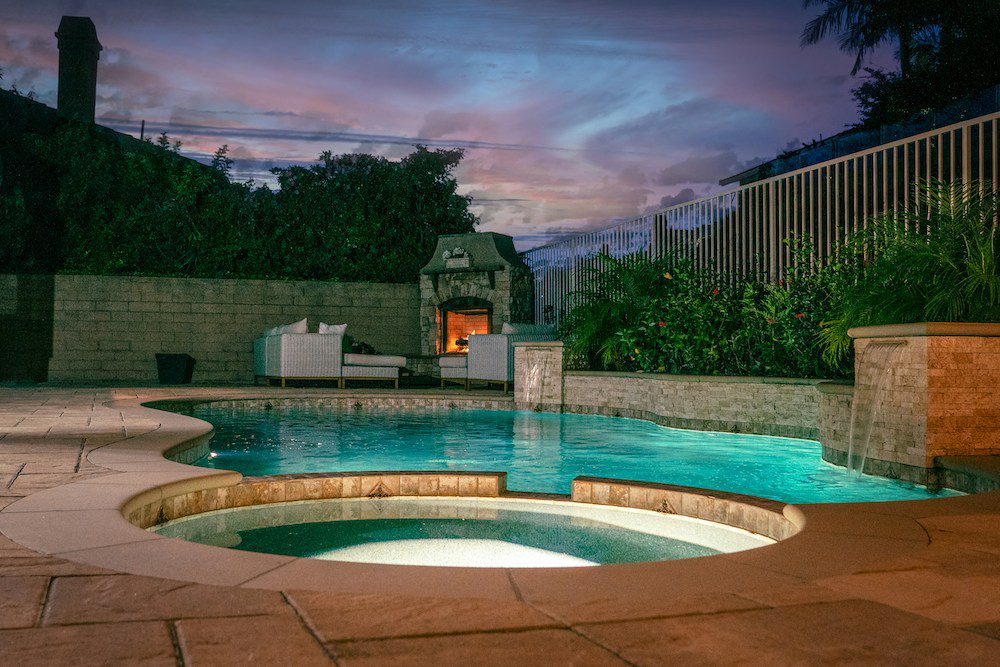
Photo by Marty O’Neill
The Hidden Water Cost of a Leaking Pool
Pool water naturally disappears through evaporation, splashing, and regular use, so a dropping water level doesn’t automatically mean there is a leak. When water loss consistently exceeds what you would normally expect, however, it deserves some investigation.
The tricky part is that leaks aren’t always visible. Water may escape underground while an automatic filling system quietly replaces it. Unless you’re monitoring the water level or utility bill, the problem can continue unnoticed.
That’s exactly the kind of hidden waste worth addressing around the home. Upcycling isn’t limited to turning old furniture into something new. At its core, it’s about getting more value and life from the resources and things we already have.
How Much Water Can a Pool Leak Waste?
The amount varies significantly depending on the pool and the severity of the leak. Even relatively modest losses become substantial when they continue every day.
For example, a 15,000-gallon pool losing 1% of its water each day would lose around 150 gallons daily. If that continued unchecked, it could amount to thousands of gallons each month.
The EPA’s water-saving resources highlight the importance of finding and fixing household leaks as part of reducing unnecessary water use.
You can also keep an eye on your pool before assuming there is a major problem. Marking the water level and checking it again after a set period can help you spot unusual changes. Comparing pool water loss with water evaporating from a nearby container can also help distinguish evaporation from a possible leak.
If the water continues dropping faster than expected, it’s time to investigate further.
A Repair-First Approach to Pool Problems
There’s a useful rule that applies to everything from furniture to appliances to backyard features: don’t replace something until you understand what’s actually wrong with it.
A leaking pool doesn’t necessarily need a major renovation. The problem might come from a fitting, plumbing connection, light housing, skimmer, seal, or localized structural issue.
Finding the source first allows you to make a much more informed decision.
Specialist leak detection can be useful when the source isn’t obvious. Companies such as Leak Lab use diagnostic methods to locate pool leaks so the affected area can be identified before repair work begins.
That distinction matters from a sustainability standpoint. Accurate diagnosis can prevent unnecessary demolition and replacement while allowing otherwise functional materials to remain in place.
Why Pool Repair Can Be a Sustainability Win
Repairing a leak does more than conserve the water escaping from the pool.
Replacement water may need to be pumped, filtered, heated, and chemically balanced. When a pool continually loses water, you’re potentially repeating those processes unnecessarily.
A successful repair can therefore reduce several forms of ongoing consumption:
- Water needed to maintain the correct pool level
- Energy used for circulation and heating
- Pool chemicals required to maintain balanced water
- Materials that could be wasted through unnecessary replacement
It’s a small-scale example of circular thinking at home. Instead of continually adding resources to compensate for a problem, you address the problem itself.
 Photo by Sugarman Joe
Maintain What You Already Have
One of the easiest ways to make a home more sustainable is also one of the least glamorous: maintenance.
Clean gutters protect existing siding and foundations. Sealing drafts helps heating and cooling systems work efficiently. Fixing a dripping faucet saves water without replacing the entire fixture.
Pools aren’t much different.
Regularly checking the water level, inspecting visible equipment, maintaining plumbing, and addressing small problems early can help prevent minor issues from becoming larger repairs.
This approach fits naturally alongside other upcycled home improvements that prioritize extending the usefulness of existing materials and features.
Before replacing something, ask whether it can be maintained, repaired, refinished, adapted, or reused. Sometimes the most sustainable material is simply the material that’s already there.
Make Your Leaking Pool More Water-Wise
Fixing leaks is important, but there are other simple ways to reduce the environmental footprint of an existing pool.
A pool cover can reduce evaporation when the pool isn’t being used. Keeping filters and equipment properly maintained can help the system operate efficiently. Avoiding unnecessary draining and refilling can conserve significant amounts of water.
Landscaping can help too. Choosing drought-tolerant plants around a pool area can reduce irrigation needs, while thoughtful shade can make an outdoor space more comfortable without requiring additional structures or equipment.
You can apply the same thinking throughout the backyard. Our eco-friendly DIY projects offer more ideas for reducing waste by reusing materials and making practical improvements with what you already have.
Repair Before You Renovate a Leaking Pool
It’s tempting to see an aging pool and immediately imagine a complete makeover. Sometimes renovation makes sense, especially when there are genuine structural or safety problems. But cosmetic wear doesn’t necessarily mean everything needs to go.
Could existing decking be repaired instead of demolished? Worn furniture might only need refinishing, while old planters can be repurposed as poolside storage. Even a damaged surface may be fixable in sections rather than replaced entirely.
These questions can dramatically change the environmental footprint of a backyard project.
The same principle applies to the pool itself. Diagnose first. Repair what’s repairable. Replace only what has actually reached the end of its useful life.
Keeping Pool Water Healthy
Water conservation shouldn’t come at the expense of proper pool care. Maintaining appropriate filtration and water chemistry remains important for anyone using the pool.
The CDC’s guidance on healthy swimming provides information about maintaining safer recreational water and reducing water-related health risks.
Good maintenance and sustainability can work together. A pool that is properly monitored is also more likely to reveal unusual water loss, equipment problems, and other issues before they become larger ones.
Frequently Asked Questions About Leaking Pools
How Do You Know If Your Pool Is Leaking?
An unexpectedly falling water level is one clue, particularly when the loss seems greater than normal evaporation. Other signs can include unusually high water bills, wet areas around the pool, or the need to add water more frequently than usual.
How Much Water Can a Leaking Pool Waste?
It depends on the size of the pool and severity of the leak. Even a seemingly small daily loss can become thousands of gallons when it continues for weeks or months.
Is It Better to Repair or Replace a Pool?
If the existing pool is structurally sound, targeted repair will generally use fewer new materials than unnecessary replacement. The best approach is to identify the cause of the problem before deciding how extensive the work needs to be.
Can You Make an Existing Pool More Sustainable?
Yes. Repairing leaks, reducing evaporation, maintaining equipment, avoiding unnecessary draining, and extending the life of existing materials can all reduce resource use without building a new pool.
A More Sustainable Pool Starts With What You Have
Sustainable homes aren’t created by replacing everything with a newer, greener version. They’re built by paying attention to what we already own and finding ways to make it last.
A leaking pool is a perfect example. Water disappearing a little at a time can become significant waste when the problem continues unnoticed. Finding the source and repairing what’s actually broken stops that cycle without throwing away everything that’s still working.
That’s the repair-first mindset in action: use what you have, fix what you can, and waste less along the way.
