
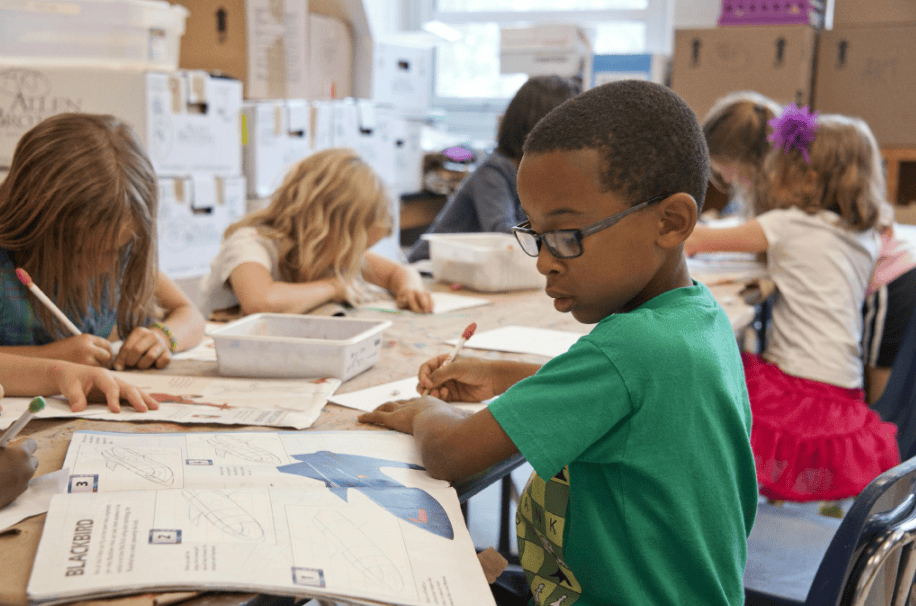
Transition skills can grow alongside a child’s study space, from choosing a pencil holder in pre-K to organizing a workspace in high school. A secondhand desk, a refreshed bookshelf, and repurposed storage containers offer more than an affordable room makeover. They create everyday opportunities to practice making choices, managing belongings, solving problems, and asking for help.
Think about a small dresser that begins as craft storage. With new paint and different organizers, it might later hold school supplies, then materials for a teenager’s creative projects. Its purpose evolves as the child grows. The skills practiced around it can evolve too.
An upcycled study corner brings that progression home. Children can help shape a space that reflects their interests while learning how to make it work for their changing needs.
Why Transition Skills Begin Before Graduation
A high school diploma marks an important achievement. However, adult life also calls for abilities that develop through everyday practice: communicating needs, managing time, making decisions, and navigating unfamiliar situations.
Utah’s transition planning process begins at age 14, or earlier when appropriate. Foundations for that work can begin much sooner.
The Utah State Board of Education developed a tool to map skills across grade levels, starting in pre-K. Higher education partners helped identify areas students needed to strengthen, including self-advocacy, social interaction, problem solving, time management, and emotional regulation.
A home study space offers one practical setting for this learning. Choosing where supplies belong introduces decision-making. Explaining why a setup feels uncomfortable gives a child practice expressing needs. Planning a small furniture refresh creates opportunities to sequence tasks.
These experiences connect early learning with responsibilities students may encounter later.
Mapping Transition Skills Across Grade Bands
Self-advocacy provides a clear example of how an existing ability gains a broader purpose. A young child requests a crayon. An older student explains which tools or accommodations help them work.
The following table summarizes the self-advocacy progression in the USBE tool.
| Grade Band | What Self-Advocacy Can Look Like |
|---|---|
| Pre-K | Pointing to request something, using words to ask, refusing, and expressing preferences. |
| Pre-K–Grade 5 | Making choices, learning personal contact information, communicating wants and needs, developing disability awareness, and asking for help. |
| Grades 6–8 | Recognizing when to request or decline help, describing strengths and support needs, discussing disability, sharing interests, and participating in an Individualized Education Program (IEP). |
| Grades 9–12 | Communicating accommodation needs, using strengths in decisions, discussing disability, and taking a leading role in IEP and transition planning. |
Grade bands provide a framework. Each student’s goals should reflect their current abilities, communication methods, interests, and support needs.
At home, that means giving children meaningful choices and suitable assistance as they participate in creating and using their space.
Build Transition Skills Into an Upcycled Study Space
Start with furniture and materials you already have. A sturdy table, an unused shelf, or a wooden organizer might need only a thoughtful rearrangement or fresh finish.
Let the student help identify what would make the space useful. Then adapt their involvement as their abilities grow.
For preschoolers, offer two colors for a repurposed pencil holder or two fabric options for a storage basket. They can point, speak, or use their usual communication method to choose. Picture labels on reused containers can show where supplies belong.
Elementary students can help refresh a secondhand bookshelf and assign places for books, materials, and unfinished projects. Cardboard dividers turn an existing drawer into organized storage. Sorting supplies and resetting the space provide manageable responsibilities.
Middle school students can investigate what frustrates them about their setup. Perhaps a deep drawer hides supplies, or ongoing projects need a dedicated spot. Repurposing a tray or updating an old cabinet gives them a chance to plan, compare options, and adjust an idea.
High school students can take a larger role in designing a workspace around their interests. They might estimate a small makeover budget, schedule tasks, and explain which changes would help them work comfortably.
Choose stable furniture, appropriate materials, and suitable supervision throughout.
Make Room for Changing Needs
A useful study corner should evolve with its owner. Before buying something new, ask what the current setup needs to do differently.
Could a shelf move within easier reach? Would fewer objects on the desk help? Could an existing cabinet separate everyday supplies from occasional materials?
Our recent article on converting a garage explores adapting an existing space for a new purpose. A child’s study area invites the same thoughtful approach on a smaller scale.
Ask the student what works, what feels difficult, and what they would change. Their answers can guide the room update while giving them practice communicating preferences.
Success might mean a student independently finding supplies or confidently requesting a change. Both are more useful than a picture-perfect desk they struggle to use.
Use Assessments to Guide Individual Support
Home projects offer opportunities to practice. Educational assessment helps teams understand which abilities need support and how to shape instruction.
Teams can combine student conversations, family input, classroom observations, and appropriate standardized tools. One example is the Social Responsiveness Scale, Third Edition (SRS®-3), which measures social responsiveness and autism-related characteristics.
As part of a comprehensive evaluation, its results can contribute to educational and intervention planning. Qualified professionals should interpret findings alongside other evidence and the student’s own priorities.
The goal is to connect planning with meaningful experiences. A student might practice requesting clarification at school and explaining a storage preference at home.
That is the clearest upcycling connection: recognize existing strengths, adapt the surroundings, and create opportunities for a wider purpose. A study space can become more useful over time—and help its owner practice skills they will carry beyond it.
Research and Resources:
