
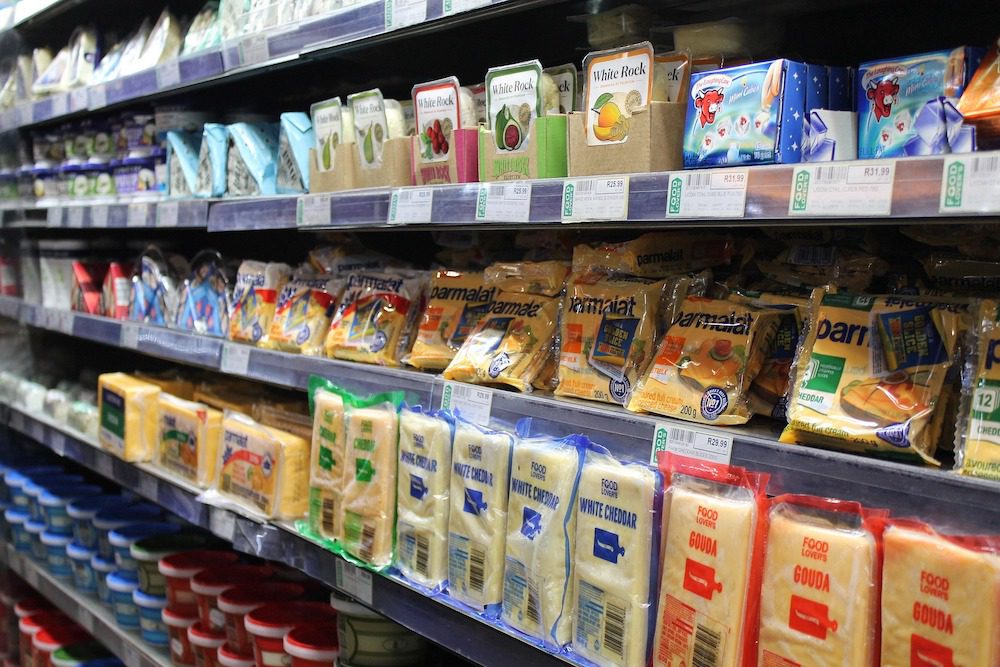
For people who try a month without ultra-processed food, the first surprise may be how often it appears in a day. Breakfast cereal, a packaged snack between meetings or a frozen dinner after a long commute can seem like conveniences. Together, they can shape the rhythm of a day.
The second surprise can be less physical and more personal. Some people snack less often or enjoy preparing simple meals. Others discover that avoiding these foods takes more time, planning and money than expected.
Viewed through an Upcycle Your Life lens, the experiment is about taking stock, identifying what is not working and repurposing routines so they support the life you want to live.
What Counts as Ultra-Processed Food?
“Processed” covers a wide range. Frozen vegetables, canned beans, plain yogurt and oats have all undergone some processing, but that does not automatically make them ultra-processed. Ultra-processed products are industrially formulated and may contain combinations of additives uncommon in ordinary home cooking, such as certain flavourings, colours, emulsifiers and sweeteners.
That broad definition can leave shoppers unsure where to draw the line. Harvard’s overview of processed foods and health notes that processing itself is not the whole story. A food’s nutritional profile and place in the overall diet matter, too.
For many, the practical shift is changing what fills the plate: oats, eggs, fruit, vegetables, lentils, rice and simple home-cooked meals replacing packaged options.
The First Change May Be the Routine
The first surprise may be how much food planning was happening invisibly. Lunch needs to be packed the night before. Leftovers need a purpose. A quick snack may become yogurt, nuts or fruit, while the familiar “grab something on the way home” habit gives way to cooking.
That extra planning can reveal how much convenience shapes the day. Someone may realize they were not only buying a packaged food; they were buying saved time, predictable flavour and one less decision.
In a small randomized NIH study, 20 adults spent two weeks eating an ultra-processed diet and two weeks eating a minimally processed diet in a closely controlled setting. Participants ate more calories and gained weight during the ultra-processed phase, then lost a similar amount during the minimally processed phase. Its tightly managed setting cannot predict what will happen to everyone at home.
Justin Butner, one of the study’s volunteers, described the experience: “Ultra-processed foods are so calorie-dense that feeling full meant I’d overeaten.” He said the meals were not satisfying in the same way as minimally processed food.
How Ultra-Processed Food Habits Can Be Upcycled
An upcycled food routine starts with the ingredients already in your kitchen. A tired carrot can become soup. Soft fruit can become a compote. Vegetable stems can flavour a stock. Leftover rice can become a quick bowl, and stale bread can become crumbs or croutons.
Instead of replacing every packaged convenience with an elaborate recipe, create a few building blocks. Cook grains, wash greens, roast vegetables, boil eggs or prepare a simple sauce. These pieces can be recombined throughout the week.
The goal is not to make every meal from scratch. Frozen vegetables, canned beans and plain yogurt can bridge convenience and a more minimally processed pattern. Health Canada’s guidance notes that freezing, drying and canning can preserve food and nutrients.
Beverages can be part of the adjustment. People who want more flavour in water may look at options such as keto-friendly drink mixes, check out their website. A flavoured drink does not determine whether someone’s overall diet is ultra-processed, and ingredients vary, so reading the label remains useful.
The Challenge Can Change Social and Practical Habits
A month without ultra-processed food can affect the social side of eating. Someone who stops buying packaged snacks may find it easier to share planned meals with family, or harder to join friends who choose fast food. A household may need to agree on what counts as “off limits.”
Cost can be another surprise. Fresh ingredients, equipment and cooking time may make the change feel expensive. A flexible approach helps: use what is affordable, keep emergency meals available and avoid turning food into a moral test.
During her own week without ultra-processed foods, Guardian reporter Cecilia Nowell spent 15 minutes comparing dairy-free milks and found that many of her usual options did not fit the rules she had set. She later wrote, “For many families, it’s not just the cost of whole foods that keeps them buying UPFs – it’s the convenience.”
The experience may also change what satisfaction means. Meals with fibre and protein can help some people feel full for longer, while rigid rules can make the experiment stressful. The useful outcome may be greater awareness of routine and convenience.
This reset connects with the upcycling mindset: improve what you have instead of assuming a new system is required.
A Month Without Ultra-Processed Food Is a Starting Point
The appeal of a 30-day reset is its clear boundary. A month is long enough to notice routines but short enough to feel manageable. Still, travel, illness, exercise, sleep and stress can influence how someone feels just as much as a change in food.
A balanced account leaves room for mixed results. Some people may feel more organized or less reliant on snacks. Others may miss the convenience, struggle to maintain the plan or notice little difference. Neither outcome proves that ultra-processed foods are harmless or that eliminating them is a universal solution.
For an individual trying a month without ultra-processed food, the more useful question may be: which habits felt better, and could they fit into ordinary life? Keep the breakfast that made mornings easier. Save the recipe that used what was already in the fridge.
For many, the month becomes less about a strict ban and more about noticing choices. A few practical swaps may be more durable than a dramatic promise of transformation.
