
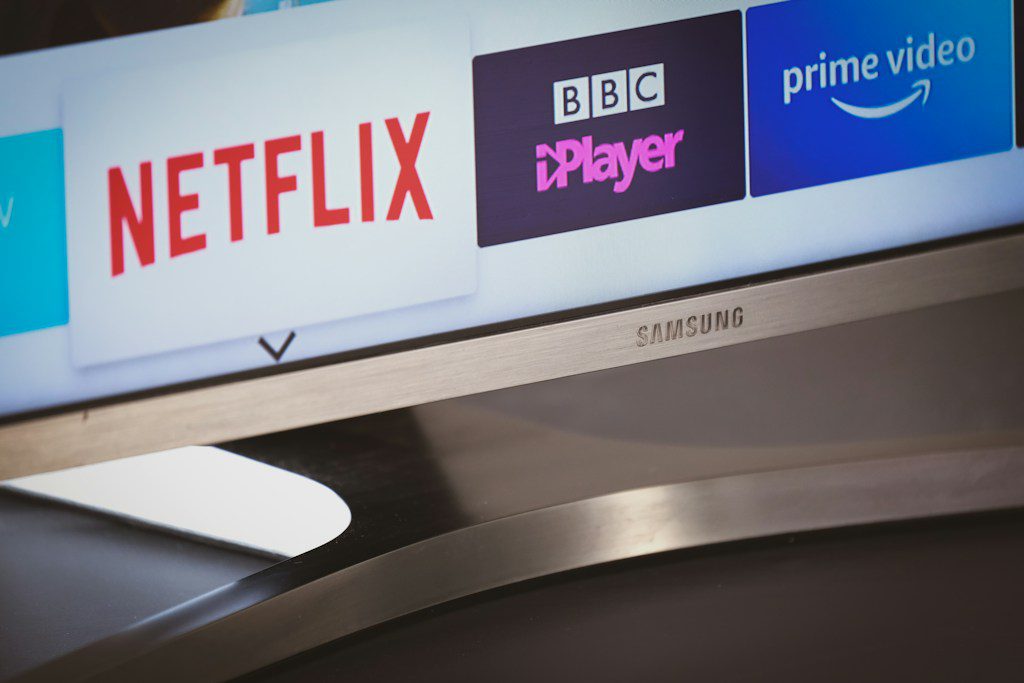
Digital entertainment is part of everyday life, from streaming films and listening to music to reading e-books and playing games. These activities can reduce the need for some physical products, but they still use devices, energy, and data. A thoughtful approach considers both sides: how we use technology and how much space we give screens in our lives.
A sustainable routine doesn’t require giving up your favorite shows or games. It can start with using the devices you already own for longer, choosing content with intention, and making room for movement, rest, and time with other people.
How Digital Entertainment Fits Into a Lower-Waste Lifestyle
Streaming a film may mean you don’t need to buy a disc, case, and packaging. An e-book can replace a printed copy, while a digital game may avoid physical packaging and transport. These options can reduce demand for physical products, especially when they replace something you would otherwise buy.
However, digital entertainment isn’t impact-free. Devices require materials and energy to make, and streaming relies on networks and data centres. The overall impact depends on factors such as the device you use, the quality you stream in, and how often you replace your electronics. Streaming a film once may have a different footprint from watching it repeatedly instead of buying a disc.
Rather than assuming digital always means greener, focus on practical habits. Use a television, phone, or tablet for as long as it works well. Repair a cracked screen or replace a battery when that makes sense. When you need a replacement, consider a refurbished device and recycle the old one through an appropriate electronics collection program.
Choose Settings and Content With Intention
A screen doesn’t always need to display video at its highest resolution, especially on a small phone. Choose a lower setting when it still looks clear, and download music or a show over Wi-Fi if you plan to replay it. These choices can reduce repeated streaming and unnecessary data use.
It also helps to decide what you want to watch or play before opening an app. Save films, games, or albums that genuinely interest you, then choose one instead of scrolling through endless options. That can make your downtime feel more satisfying and cut down on time spent browsing without finding anything.
Access can shape which services you use, too. If you live outside the UK and want to learn how to watch BBC iPlayer in USA, consider which service and device suit your needs. Then adjust playback settings to suit your screen and connection.
Balance Screen Time With a Healthy Life
Sustainable consumption also means paying attention to how entertainment fits into your day. Screens can help us relax, learn, and connect, but long stretches online can crowd out sleep, movement, hobbies, or face-to-face time. The goal isn’t to label screen time as good or bad. It’s to notice whether your habits support the life you want.
Try creating a few simple boundaries that feel realistic. You might take a short walk before starting a show, keep meals screen-free, or stop watching at a set time so you can wind down before bed. If you often lose track of time while browsing, choose what you want to watch in advance and decide how many episodes fit your evening.
Balance doesn’t need to mean strict rules. On some days, a film is exactly the rest you need. On others, you might feel better after calling a friend, getting outside, or spending time on a hands-on activity. Making room for different kinds of downtime helps entertainment stay enjoyable rather than becoming the default way to fill every spare moment.
Make Digital Entertainment Part of a Lower-Waste Home
A thoughtful digital routine can sit alongside other everyday choices. Use a sturdy old basket to store controllers, give a pre-loved bookcase a new coat of paint, or turn scrap fabric into a cushion for your reading nook. These small updates can make a space more inviting without requiring a full room makeover or a cart of new purchases.
You could also repurpose a wooden crate as a side table, use reclaimed boards to create a shelf for games and books, or turn leftover fabric into a cover for a worn footstool. Before buying storage for cables and accessories, look around for jars, boxes, or containers you already have. The space where you enjoy digital entertainment can feel considered and comfortable without everything being new.
And make room for activities beyond the screen. Keep a book, sketchpad, puzzle, or creative project nearby so it’s easy to switch things up. A welcoming, low-waste home can support screen time and other kinds of rest, creativity, and connection.
Build a More Balanced Digital Entertainment Routine
Digital entertainment can reduce demand for some physical products, but its impact depends on how we use devices and services. Keep electronics in use for as long as practical, choose suitable streaming settings, and make thoughtful decisions about what you watch. Then give your offline life the same care: take breaks from screens and leave room for sleep, movement, and connection. A more sustainable routine can start with enjoying what you already have, both on screen and beyond it.
