
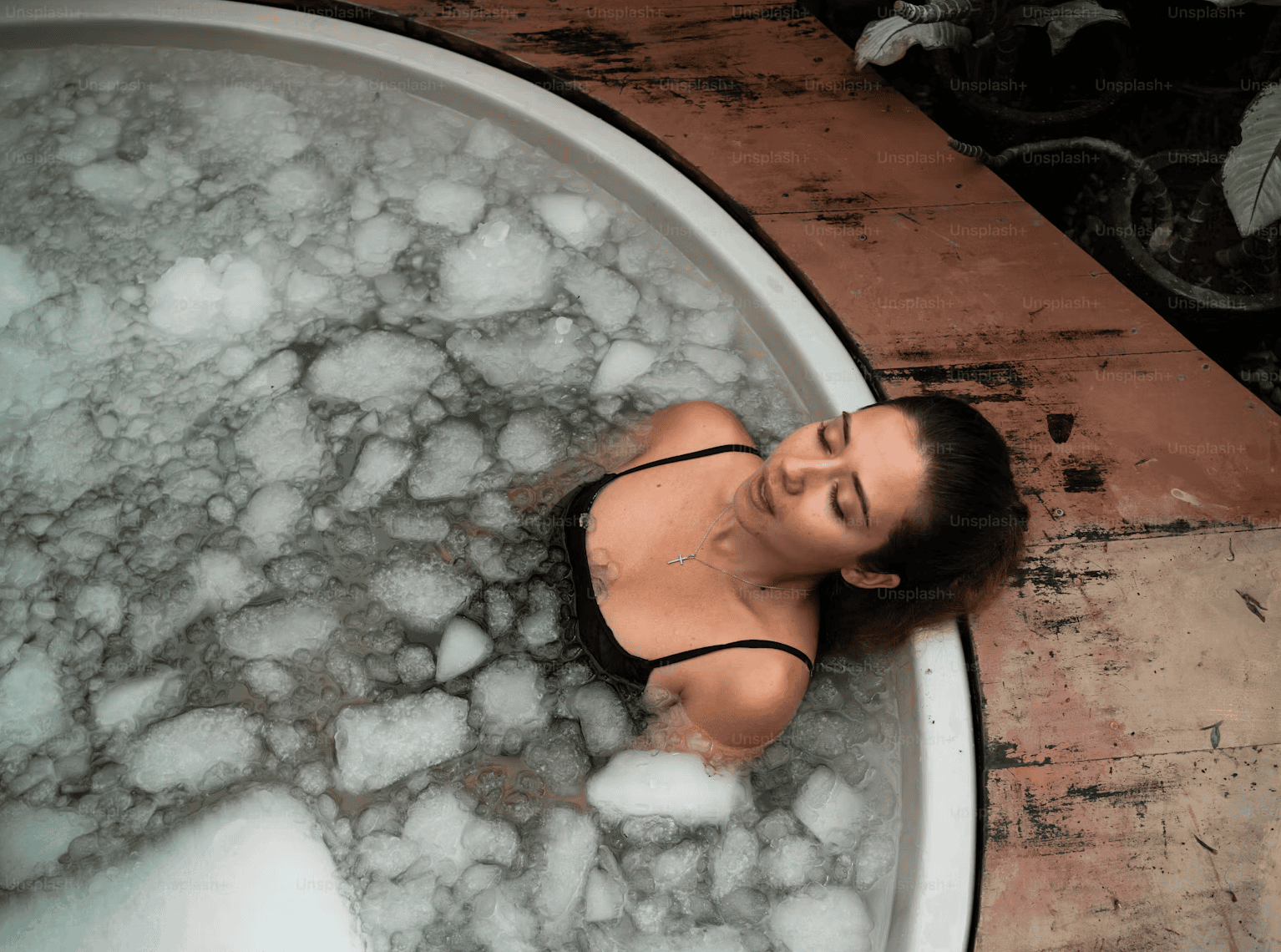
A wellness garden is an outdoor space shaped around routines that help you slow down, rest or recharge. It might be a quiet corner with a chair and plants, or it might include a sauna, a cold plunge and a place to warm up afterward. The idea is to make an outdoor space you’ll actually use.
A cold plunge can be one part of that routine: a brief dip in cool water, sometimes paired with warmth before or afterward. That doesn’t mean you need a custom-built tub or a full spa setup. If you’re curious about trying it, a modest plunge corner can help you see whether the practice suits you before you spend heavily. The key is to reuse materials where it makes sense, while treating the water, vessel and safety requirements seriously.
Plan A Wellness Garden Around Three Jobs
Before collecting pallets or hauling home an old tub, decide what you want the space to do. For a garden centred on a cold plunge, plan for three things: a place to immerse, a place to warm up and enough privacy to feel comfortable using it.
Start with the layout. The plunge needs a stable, level surface and a way to drain and refill the water. A sheltered seat or dry spot nearby gives you somewhere to warm up. Screening belongs where sightlines from neighbouring windows or paths make the space feel exposed.
Then see what you already have. Reclaimed fence boards, shutters or bamboo canes may work as screening. Pallets and crates could become a bench or side table in your wellness garden. For ideas, see turning pallets and crates into outdoor seating. Choose pieces suitable for outdoor use, and avoid wood treated with chemicals you can’t identify.
Know What A Cold Plunge Actually Requires
A cold plunge is more than a container filled with water and ice. The water needs to be cool enough for the experience you want, deep enough for immersion and clean enough to use safely. Temperature control can be the hard part of a DIY setup. Purpose-built systems use insulation and chillers; a salvaged tub with bagged ice won’t offer the same consistency.
Before choosing a vessel, think through how you’ll check the temperature, drain the water and keep the tub clean. For background, see how a cold plunge is designed and used, which describes around one metre of water as beneficial for full immersion. That’s a planning reference, not a universal minimum; the right depth depends on the person and the vessel.
For a simple setup, cooler weather may help keep the water cold, but don’t rely on the season or a handful of ice cubes to tell you its temperature. Use a thermometer. If you can’t reliably check the temperature and maintain water hygiene, pause the plunge plan and use the space for another kind of outdoor retreat.
Choose A Salvaged Vessel With Care
An old clawfoot tub can be a striking reuse project, but inspect it for cracks, damaged coatings and leaks. It will also be extremely heavy when full. Place it on a stable, level surface, and make sure the base can support the total load. Don’t assume a deck or raised platform is strong enough without checking.
Galvanized stock tanks are common secondhand finds. Inspect the inside for corrosion or damage, and confirm that its surface is suitable for repeated water contact. A sound liner may be appropriate if you’re unsure about the finish. Half barrels need a liner, too: wood can swell when wet and leak as it dries.
Skip any drum or tote if you can’t verify what it previously held. Also skip the chest-freezer conversion that circulates online. Repurposing an electrical appliance as a water-filled tub creates risks that aren’t worth taking in a DIY garden project.
Finally, check old paint before sanding or stripping a salvaged tub or bench. In the United States, homes built before 1978 may contain lead-based paint; local guidance and rules vary elsewhere. Read up on working safely with old painted surfaces before disturbing an older finish. If lead may be present, avoid dry sanding and follow local safety guidance.
Use The Cold Plunge Safely in Your Wellness Garden
Cold water puts real stress on the body, so make safety part of the design. Cleveland Clinic’s guidance on safe temperatures and session lengths advises avoiding water below 40°F, starting around 50–59°F and keeping sessions under five minutes. Beginners should start with just a minute or two.
Use a thermometer instead of guessing. Get out if you become lightheaded or feel unwell, then dry off and warm up. Keep someone nearby, and make sure you can enter and exit without slipping. If you have heart disease, high blood pressure, diabetes, poor circulation or are pregnant, talk with a healthcare provider before trying cold immersion.
Water hygiene matters as much as temperature. Don’t assume clear-looking water is clean. Have a reliable plan for cleaning, sanitizing and replacing it. If you can’t maintain the water safely, don’t use the vessel for immersion.
Finish The Wellness Garden With What You Have
The rest of the space can stay simple. A pallet bench with outdoor cushions, a salvaged chair or a dry place to sit can serve as the warming spot. Reclaimed boards or shutters can create privacy without a solid wall. Reused jars with outdoor-rated solar lights can add a soft glow.
Pay attention to the ground underfoot. You’ll be stepping out wet, so choose a surface with grip and drainage, such as reclaimed decking offcuts laid with gaps or gravel. Keep towels somewhere dry and close by. Small practical details can make the difference between a corner you use and an unfinished project you avoid.
Build a modest version first and try the routine for a season. You’ll learn whether the plunge, layout and upkeep work for you. Then you can improve the parts you enjoy, reuse what you can and leave expensive upgrades until you know you want them.
