
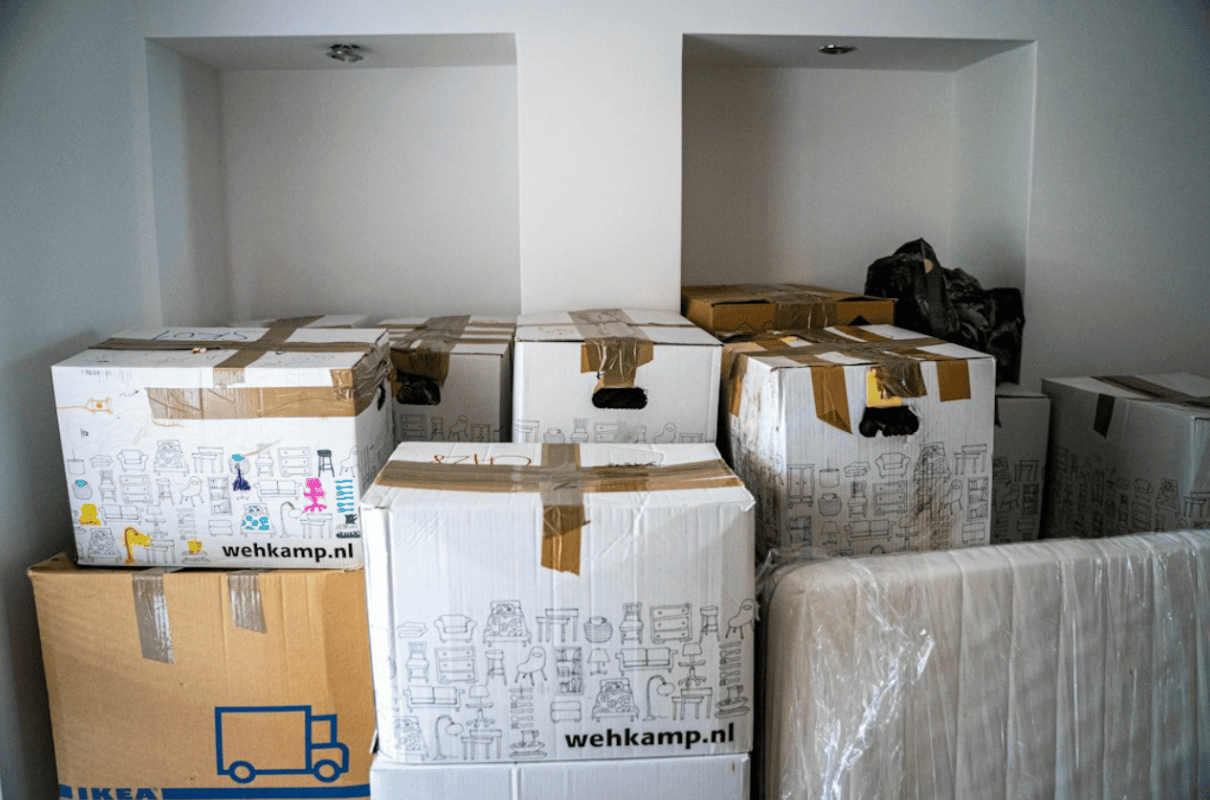
Before you repurpose a house of stuff, it helps to distinguish what has become clutter from what still has something to offer. A dresser with a scratched finish may be beautifully built. Forgotten hardware could give a plain cabinet its character. Even the shelves tucked behind boxes in the garage might fit perfectly in your next home. Selling creates a reason to look at these familiar belongings differently—and decide where they belong next.
How much you clear before selling will depend on your circumstances. If you are researching how to sell my house burlington county, ask prospective buyers whether their offers include handling unwanted contents. Some may accept belongings left behind, giving you time to concentrate on personal keepsakes and worthwhile salvage. Confirm those arrangements early so you know exactly what needs to leave.
Start Small When You Repurpose a House of Stuff
Choose a manageable area in a room you use less often. Clearing part of a spare bedroom or garage creates space for sorting without disrupting everyday life. Set aside documents, photographs, jewelry, and family keepsakes first, then work through the larger belongings.
Give each item a clear destination: keep, upcycle, sell, donate, or recycle. A labeled box works for small objects; larger pieces can carry removable tags. This makes decisions visible and prevents helpers from accidentally giving away something you intended to keep.
The upcycle category deserves particular scrutiny. Ask what the finished piece would become, where you would use it, and what the work requires. If those answers remain vague, someone else may be better placed to take it on. This guide on what to store or repurpose can help you separate realistic projects from belongings you are keeping out of habit.
Schedule collections and drop-offs as you go. Removing completed piles keeps the house workable and makes progress easier to see.
Look for Quality Beneath the Finish
When assessing furniture, look first at its construction. A scratched solid wood table may need relatively modest work, while a swollen particleboard cabinet can be difficult to restore. Check joints, drawer runners, legs, and surfaces before deciding whether a piece deserves the effort.
Smaller components can be equally useful. Consider saving:
- Distinctive drawer pulls, knobs, and other reusable hardware.
- Sound shelves and spare boards for small builds or repairs.
- Freestanding cabinets suitable for utility-room or workshop storage.
- Uninstalled wood doors that could become headboards or desktops.
- Vintage lamps that a qualified professional can inspect and repair.
Treat installed features separately from loose belongings. Confirm any plans to remove attached lighting, doors, or cabinetry through the sale agreement before starting work.
Older coatings also need attention. Painted components from pre-1978 homes may contain lead, and sanding or scraping can release hazardous dust. Establish whether lead is present before disturbing suspect paint, and use appropriate lead-safe practices.
Repurpose a House of Stuff by Finding Its Next Owner
A successful clear-out does not require you to become the maker behind every transformation. Sometimes the most useful thing you can do is connect a good piece with someone who wants it. A cabinetmaker may welcome spare timber; a neighbor might need the desk that no longer suits your space.
Photograph items in good light and include measurements, condition details, and collection requirements. Mention stairs, narrow doorways, or anything that requires disassembly. Clear information makes pickups easier to arrange and reduces wasted journeys.
Set a deadline for selling, then move unsold pieces toward gifting or donation. Selling, gifting, or donating old furniture when moving all keep useful pieces in circulation, but acceptance varies. Contact organizations before transporting furniture, particularly upholstered items.
Pack saved materials with their next use in mind. Keep matching fittings together, label screws by item, and protect glass and delicate finishes during transport.
Plan Disposal Before You Load the Vehicle
Once reusable items have destinations, assess what remains. Separate furniture, construction debris, recyclable materials, and anything requiring specialist handling. Sorting at this stage helps you choose the right collection service or disposal facility.
Burlington County’s published 2026 county disposal rates distinguish between several waste categories:
| Waste Type | Published Rate |
|---|---|
| Bulky waste | $112.63 per ton |
| Household and other municipal waste | $105.44 per ton |
| Construction and demolition waste | $127.55 per ton |
At the bulky-waste rate, 300 pounds works out to approximately $16.89. Confirm the classification and applicable charges for your load before traveling.
The Resource Recovery Complex in Florence does not accept rental vehicles delivering solid waste. Check its entry requirements before arranging transport, and compare the trip with municipal bulky pickup or a suitable hauling service.
Mattresses warrant a separate inquiry. The Product Stewardship Institute’s mattress recycling data indicates that up to 90% of mattress materials are recyclable, yet less than 5% of mattresses are recycled. Ask your municipality or a specialist recycler which options are available locally.
Repurpose a House of Stuff Within the Time You Have
An inherited property or long-distance move may leave little opportunity for individual sales and elaborate projects. In that situation, prioritize belongings that are irreplaceable, immediately useful, or straightforward to salvage. A few carefully chosen pieces are easier to accommodate than a moving truck full of possibilities.
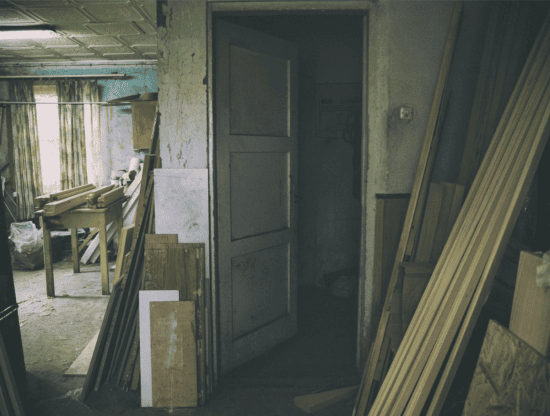
If a buyer agrees to accept remaining contents, establish which items may stay and who will arrange removal. Record those details in the sale agreement rather than assuming an as-is purchase covers them.
The best outcome is a house ready for its next occupants and belongings ready for their next use. A dresser can furnish another bedroom, good timber can supply a new project, and familiar hardware can become a small connection between your old home and your new one. Giving those things a considered destination makes the move lighter in more ways than one.
