

A sustainable capsule wardrobe can look expensive without relying on luxury labels, constant shopping or a closet full of clothes you rarely wear.
My closet used to run on a lie. I believed that looking expensive meant spending expensively, so I kept adding to the pile while my outfits stayed stubbornly mediocre. A new haul arrived every few months. The same three pieces got worn anyway.
The fix had nothing to do with a bigger budget. It came from building a smaller wardrobe around better bones, then giving existing clothes a second life through tailoring, repair, restyling and thoughtful accessories.
A capsule wardrobe works because its pieces cooperate. Once the foundation is quiet and well fitted, the finishing touches carry the look. More importantly, the wardrobe becomes easier to maintain, less wasteful and far more personal.
Why A Sustainable Capsule Wardrobe Looks More Expensive
Luxury is often communicated through proportion, condition and restraint rather than a visible logo. A jacket with sleeves that hit at the right place will usually look more polished than a costly jacket that hangs awkwardly. A sweater without pilling feels more considered than a trendier piece that has already lost its shape.
That makes your existing closet the best place to begin. Pull out the pieces you actually wore last month. Look for the common thread. Perhaps you reach for soft neutrals, straight-leg trousers, relaxed shirts or structured jackets. Those preferences are already telling you what your capsule should contain.
Before buying anything, ask whether a small adjustment could make an existing piece useful again. A tailor may be able to shorten a hem, reshape a waist or change the buttons. A basic dye can revive a faded black skirt. A worn collar may be repaired, while an old dress can become a blouse, skirt or separate layer.
This is where sustainable dressing becomes more than a shopping decision. It becomes a way of keeping materials, money and personal style in circulation.
The Upcycling Moves That Transform A Sustainable Capsule Wardrobe
The most effective wardrobe upcycling is not always dramatic. It often looks like restoring the items you already know you love.
Replace tired buttons with reclaimed vintage ones. Add a simple belt to change the shape of an oversized blazer. Turn a long dress into a shorter everyday style, or wear it open as a lightweight coat. A slightly damaged pair of trousers may become shorts, while a beautiful fabric panel can be saved for a clutch, scarf or hair accessory.
Fit matters just as much. A secondhand wool coat with a great fabric and poor proportions may need only new buttons and a sleeve adjustment. A men’s shirt can become an oversized layer with the sleeves rolled and the hem tucked. Small interventions can make a garment feel intentional instead of dated.
You can also create more outfit options without adding more clothes. Try wearing a dress over trousers, styling a button-down backwards, layering a fitted top beneath a sleeveless dress or using a scarf as a belt. The goal is not to make every item perform a dozen tricks. It is to discover which combinations make your existing wardrobe feel fresh.
For another practical approach to extending the life of accessories, see Upcycle That’s guide to How to Reuse Leather Goods.
Use Closet Math Before You Buy Anything
Cost per wear is the only number worth tracking, and it quietly embarrasses almost every impulse buy. A forty-dollar top worn twice costs twenty dollars per wear. A three-hundred-dollar coat worn four days a week across two winters may cost close to a dollar per wear.
That calculation changes the meaning of “expensive.” The cheapest item is not always the one with the lowest price tag. It may be the piece that works across seasons, survives regular washing and still feels right after several years.
The same principle applies to clothing you already own. A small repair can turn an abandoned garment into one of your most useful pieces. The Budget Fashionista makes a similar case in its guide to repurposing little black dresses for higher cost per wear, and the logic extends well beyond dresses.
Start a simple note on your phone. Record what you buy, how often you wear it and whether it replaced anything already in your closet. After a season, the pattern becomes obvious.
Where the Luxury Markup Actually Hides
Traditional retail prices carry passengers. A garment travels from factory to importer to brand to department store floor, and each stop stacks its own margin on before the tag reaches your hand. Sellers who ship straight to the customer remove several of those stops, which is how a comparable piece arrives at a fraction of boutique pricing with no drop in material quality.
Volume compounds the problem. The Ellen MacArthur Foundation study of the textiles economy found that clothing production doubled in fifteen years as fast fashion took hold, with garments increasingly treated as disposable goods. Cheap, plentiful, and short-lived is a deliberate business model rather than an accident of the market.
Fiber choices follow the same commercial logic. Textile Exchange reports that polyester holds roughly fifty four percent of global fiber production, and under fifteen percent of that is recycled, mostly because virgin fossil based fiber stays so inexpensive to produce. That fiber pills quickly and holds a crease badly, which is much of why an eight month old budget blazer announces itself from across a room.
Where To Spend And Where To Save
Spend unevenly on purpose. T-shirts, tanks and trend pieces can come from affordable sources because they tend to wear out sooner. Outerwear, denim, shoes and jewellery deserve more attention because they receive the most wear and influence the entire outfit.
This does not mean buying everything new. Look for quality secondhand pieces, vintage stores, clothing swaps and resale platforms. A well-made garment with a minor flaw may be a better investment than a perfect-looking fast-fashion item.
The Accessory That Carries the Whole Outfit
The same approach applies to accessories. One enduring piece can finish dozens of outfits. Real pearls do that job better than nearly anything else. They add light near the face without tying the wardrobe to one particular trend. They also refuse to date themselves. A strand bought this year will look correct with whatever silhouette arrives in 2031, which is not something you can say about a seasonal statement necklace.
Buy one good piece rather than five forgettable ones. A single strand or a pair of studs will carry a linen shirt at lunch, a black dress at dinner, and a gray sweater on a Tuesday that deserves no particular effort.
Build A Sustainable Capsule Wardrobe Around A Neutral Spine
Choose a neutral foundation, such as black and cream, navy and camel or charcoal and white. Then add colour through scarves, jewellery, shoes or one distinctive vintage piece.
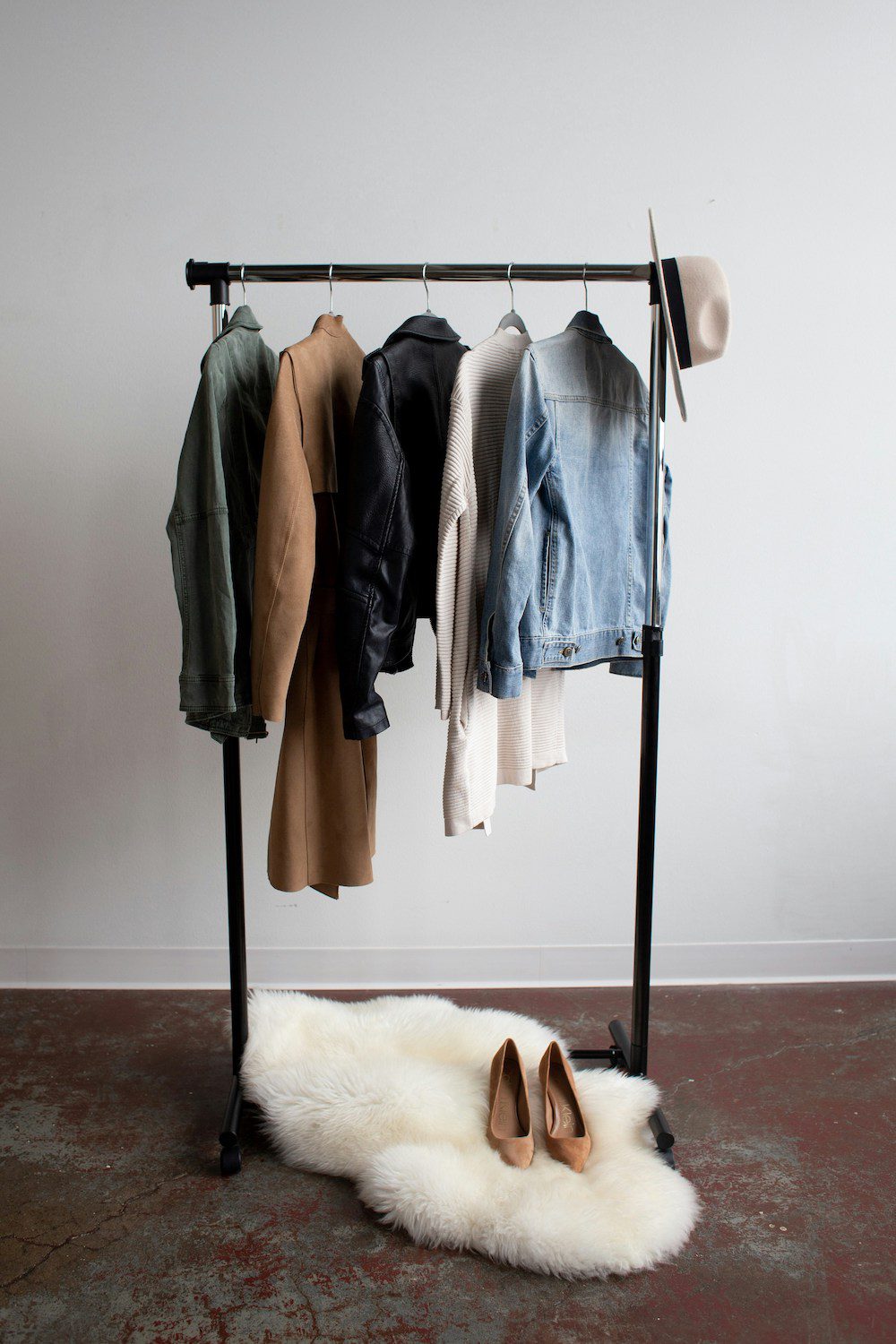
A practical starting point might include two pairs of trousers, one pair of jeans, three tops, one knit, one structured jacket, one coat and two pairs of shoes. The exact number matters less than the relationship between the pieces. Each item should work with several others.
The first month may feel restrictive. That discomfort is useful information. If you continually reach for a particular colour, shape or fabric, adjust the capsule around your real life rather than an imagined one.
The aim is not to own as little as possible. It is to own clothing that earns its place.
The Finishing Details Make Old Clothes Feel New
Polish often comes from maintenance. Steam a wrinkled shirt. Remove pilling from a sweater. Condition leather. Repair a loose hem before it becomes a larger problem. Store delicate accessories properly and wash garments according to their fibre needs.
These habits extend the life of clothing while making everyday dressing feel more luxurious. They also create the first-person details that make a wardrobe story memorable: the coat you repaired instead of replacing, the dress you shortened, or the pair of trousers you finally had tailored.
After a few months, the result is not simply a smaller closet. It is a wardrobe with evidence of care. Each piece has a history, a purpose and more than one possible future.
That is what makes a sustainable capsule wardrobe look expensive. Not the markup, but the attention.
