
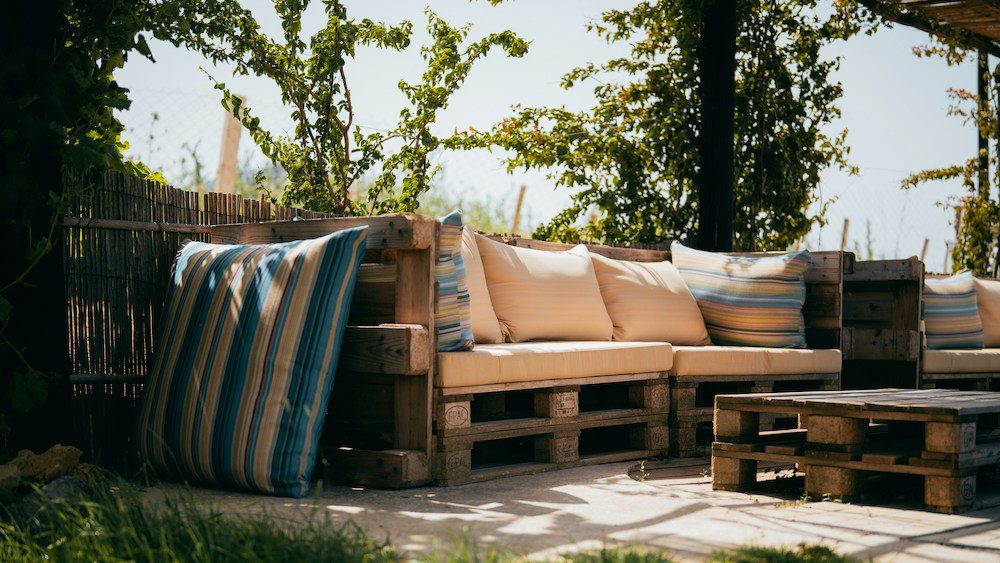
DIY outdoor upgrades can give your backyard a personal touch; there is real joy in transforming a backyard with your own hands. Reclaimed pallets can become a garden bench, an old crate can find new life as a planter, and a coat of paint can make a tired fence feel fresh again. These projects are creative, affordable, and forgiving.
Knowing that line is what saves a project from disaster. For solid concrete work in Victoria, professional concreters in Mornington Peninsula deliver results a DIY pour rarely matches. This guide covers what to happily DIY, why concrete is different, and when to call the pros.
What Outdoor Jobs Are Perfect for DIY?
Most decorative and light outdoor work is ideal for a keen beginner. These jobs reward creativity far more than technical skill. They are also cheap to try and easy to fix. If a first attempt flops, you have lost an afternoon and a few dollars, nothing more.
Great weekend projects include:
- Upcycled furniture. Pallets and offcuts into seating.
- Planters. Containers from almost anything.
- Painting. Fresh color on fences and pots.
- Small paths. Loose gravel or stepping stones.
None of these carry much risk if they go sideways. You learn as you go and improve each time. That low-stakes freedom is exactly what makes DIY so satisfying.
Why Is Concrete Different?
Concrete looks simple and behaves anything but. It is heavy, unforgiving, and sets on its own schedule. A mistake is not something you can easily undo once it hardens. Ask anyone who has tried to lift a cracked, badly poured slab by hand. The material demands preparation, speed, and the right tools all at once.
Several things make it a pro’s job:
- Timing. It cures fast and waits for no one.
- Mix. The ratios must be right for strength.
- Base. Poor groundwork cracks the whole slab.
- Finish. A smooth, level surface takes real skill.
A failed pour is expensive to remove and redo. The material rewards experience and punishes guesswork. This is precisely where amateur enthusiasm meets its limit.
When Should You Call the Pros?
Some outdoor jobs simply demand professional hands. The cost of getting them wrong far outweighs the quote. Recognizing these early saves money and stress. On the Mornington Peninsula, where coastal soil and drainage vary block to block, that local know-how matters even more.

Call a professional for work like this:
- Slabs and driveways. Large, load-bearing pours.
- Foundations. Anything a structure sits on.
- Drainage falls. Surfaces that must shed water.
- Big patios. Level areas that have to last.
In Victoria, some projects also need permits, so checking building plans and permits is a smart first step. Guidance on choosing a building team helps you hire well. A good contractor is cheaper than a redo, every time.
How Do You Blend DIY and Pro Work?
The best outdoor spaces mix both approaches. Let professionals handle the hard structure, then add your personal touches. This keeps costs down without cutting corners where it counts. You pay for skill only where skill is truly needed, and you keep the fun for yourself.
A smart split looks like this:
- Pros pour the slab, patio, or driveway base.
- You decorate with plants, furniture, and paint.
- Pros handle anything structural or draining.
- You upcycle the finishing details around it.
Projects like revamping your patio shine once the solid base is in. A few upcycled garden projects then make the space unmistakably yours. The combination gives you durability and personality together.
Building an Outdoor Space You Love
The happiest outdoor projects play to your strengths and respect your limits. Pour your creativity into upcycling, planting, and decorating, where mistakes are cheap and fun. Leave concrete, foundations, and drainage to professionals who do it daily and stand behind their work. Check whether your project needs a permit, hire a solid team, and add your own touches on top.
That blend gives you a durable base and a space that feels unmistakably yours. Done that way, a backyard becomes both built to last and truly personal, without blowing the budget.
Frequently Asked Questions
Can I Really Not Pour My Own Concrete?
You can pour small, low-stakes things like a stepping stone, but larger slabs, driveways, and foundations are genuinely risky to DIY. Concrete cures fast, needs the right mix and base, and is expensive to remove if it fails. For anything load-bearing or permanent, professionals are well worth the cost. The margin for error is simply too small.
What Outdoor Projects Are Best for Beginners?
Decorative and light jobs are ideal: upcycled furniture, planters, painting, and simple gravel paths. They cost little, forgive mistakes, and build your confidence. You can experiment freely without risking anything structural or expensive. Starting with these projects is the best way to enjoy DIY while learning what you can realistically handle next. Each small win makes the next project feel a little less daunting.
Do I Need a Permit for Concrete Work In Victoria?
Some projects do, depending on their size and purpose, so it is worth checking official guidance before you start. Larger structural work is more likely to need approval than a small decorative pour. A qualified local contractor will also know the requirements. Confirming permits early prevents costly problems down the track.
How Do I Choose a Good Concreter?
Look for licensed, experienced contractors with clear written quotes and genuine local reviews from real customers. Ask to see photos of past work and confirm they handle the base and drainage, not just the pour itself. Get the full scope and price in writing before any work starts. Choosing carefully upfront is what ensures the finished concrete stays sound and crack-free for many years to come.
