
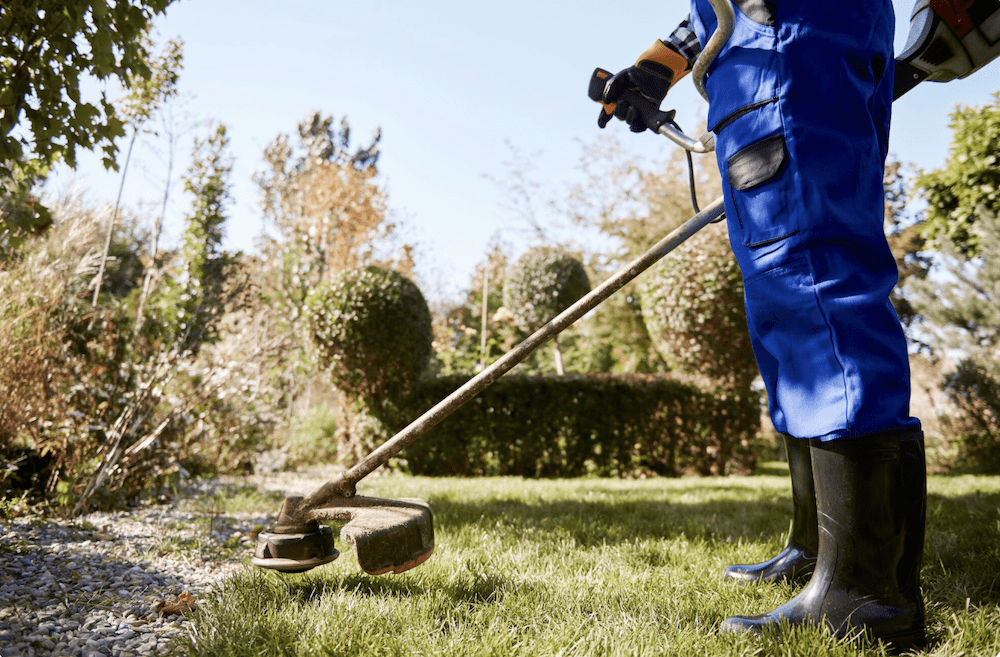
A healthy lawn doesn’t have to depend on constant treatments, new products, and bags of materials coming in and out of your yard. Low waste lawn care starts by looking at what your outdoor space already produces and finding ways to put those resources back to work. Grass clippings, fallen leaves, rainwater, and even tired garden materials can all have another useful life.
Instead of treating lawn care as a cycle of buying, applying, and throwing away, consider what can be reused first. Even the equipment you choose can support this approach. A robotic mower can regularly cut grass into fine clippings that remain on the lawn and break down naturally, rather than requiring you to collect and dispose of them. Combined with composting, water conservation, and repairing what you already own, small changes can make lawn care considerably less wasteful.
Start Low Waste Lawn Care With Healthy Soil
A good lawn starts below the grass. Healthy soil holds moisture, supports roots, and provides the conditions grass needs to grow without relying entirely on added products.
Before automatically reaching for fertilizer, find out what your soil actually needs. A soil test can reveal nutrient deficiencies and pH issues, helping you avoid applying products unnecessarily.
Compost is another way to build soil while putting organic material back to use. Kitchen scraps, garden trimmings, and fallen leaves can eventually become nutrient-rich compost rather than being sent away as waste.
For established lawns, a thin layer of finished compost can be worked into the surface to gradually improve soil structure and organic matter.
Leave Grass Clippings Where They Can Work
One of the easiest ways to reduce lawn waste is also one of the simplest: stop treating every grass clipping as garbage.
When grass is cut regularly and the clippings are relatively short, they can often be left directly on the lawn. Known as grasscycling, this allows the material to break down naturally and return nutrients and organic matter to the soil.
It also eliminates the need to bag, transport, and dispose of the clippings.
If clippings are too long or thick to leave on the lawn, add appropriate untreated material to your compost pile instead. Either way, you’re turning something commonly treated as waste into a useful resource.
Turn Fallen Leaves Into a Lawn Resource
Autumn can produce an enormous amount of organic material, particularly if your property has mature trees. Instead of immediately bagging every leaf, consider how you can use them.
A lawn mower can shred a light layer of leaves into smaller pieces that decompose more easily. Leaves can also be collected for compost or turned into leaf mold, a simple soil amendment created by allowing leaves to decompose over time.
You can even use shredded leaves as mulch around garden beds and trees, where they help retain moisture and eventually contribute organic matter to the soil.
This is upcycling at its simplest: taking a seasonal byproduct and turning it into something your yard can use.
Use Water More Efficiently
Water is another resource worth treating carefully. Rather than watering according to habit, pay attention to what your lawn actually needs.
Deep, less frequent watering can encourage deeper root growth compared with frequent shallow watering. Watering earlier in the day can also help reduce evaporation.
Rain barrels offer another opportunity to capture a resource that would otherwise run off your property. Collected rainwater can be useful for garden beds and other landscaping, subject to local rules and conditions.
Also check sprinklers, hoses, and connections periodically. A leaking hose or poorly positioned sprinkler can waste a surprising amount of water without benefiting the lawn.
Choose Treatments Based on What Your Lawn Needs
Low waste lawn care doesn’t necessarily mean eliminating every lawn treatment. It means being more intentional about what you use.
Fertilizers, weed treatments, aeration, overseeding, and pest management all address different problems. Applying them automatically when your lawn doesn’t need them can waste money and resources.
Look for signs of the actual issue first. Bare or thin areas might benefit from overseeding. Compacted soil may need aeration. Discoloration could indicate anything from nutrient deficiencies to watering problems, pests, disease, or simply seasonal stress.
If you use a lawn care service, ask what is being applied and why. A good maintenance plan should respond to the condition of the lawn rather than simply adding products for the sake of following a schedule.
Repair and Reuse Your Lawn Equipment
The upcycling mindset can extend beyond the lawn itself.
Before replacing a mower, trimmer, wheelbarrow, or garden tool, investigate whether it can be repaired. A mower that isn’t performing properly may need a sharpened blade, fresh filter, new spark plug, or basic servicing rather than replacement. Many common garden machinery spare parts are inexpensive and easy to fit yourself, which often makes repair far cheaper than buying a whole new machine.
Hand tools can often last for decades when they’re cleaned, sharpened, and maintained. Wooden handles can sometimes be sanded and refinished or replaced without throwing away the metal tool itself.
If you need equipment only occasionally, borrowing or renting may make more sense than buying something that spends most of the year sitting in a shed.
Secondhand equipment is another option. A well-maintained used mower or garden tool can have plenty of useful life left while keeping an existing product in circulation.
Upcycle Materials Around the Yard
Lawn care often overlaps with landscaping, which creates even more opportunities to reuse materials.
Old bricks can become garden edging. Leftover pavers can create stepping stones through frequently walked areas. Untreated wood may be repurposed into raised beds or simple garden structures, while suitable containers can become planters.
Even lawn problems themselves can inspire creative reuse. If a shady or heavily trafficked area continually struggles to support grass, consider whether it needs to be lawn at all. The space might work better as a mulched garden bed, pathway, seating area, or native planting zone.
Instead of repeatedly spending resources trying to force grass into unsuitable conditions, redesigning the area can create something more functional.
Make Low Waste Lawn Care a Year-Round Habit
The best lawn care changes with the seasons. Spring may involve cleaning up winter damage and checking soil conditions, while summer puts more emphasis on mowing and water management. Fall provides opportunities for overseeding, aeration, and putting fallen leaves back to work.
Not every lawn needs every treatment every year. Keeping simple notes about problem areas, previous treatments, watering, and seasonal changes can help you make better decisions instead of starting from scratch each season.
The goal is to learn how your particular yard behaves and respond accordingly.
Low Waste Lawn Care: Work With Your Yard, Not Against It
Low waste lawn care is ultimately about getting more from the resources already around you. Grass clippings can feed the soil. Leaves can become mulch or compost. Rain can be captured and reused. Tools can be repaired, and landscaping materials can find entirely new purposes.
There will still be times when your lawn needs additional products, professional treatments, or new materials. The difference is that these become intentional additions rather than the automatic starting point.
By repairing, reusing, composting, conserving, and paying attention to what your lawn actually needs, you can create an outdoor space that’s healthier, less wasteful, and easier to maintain over the long term.
