
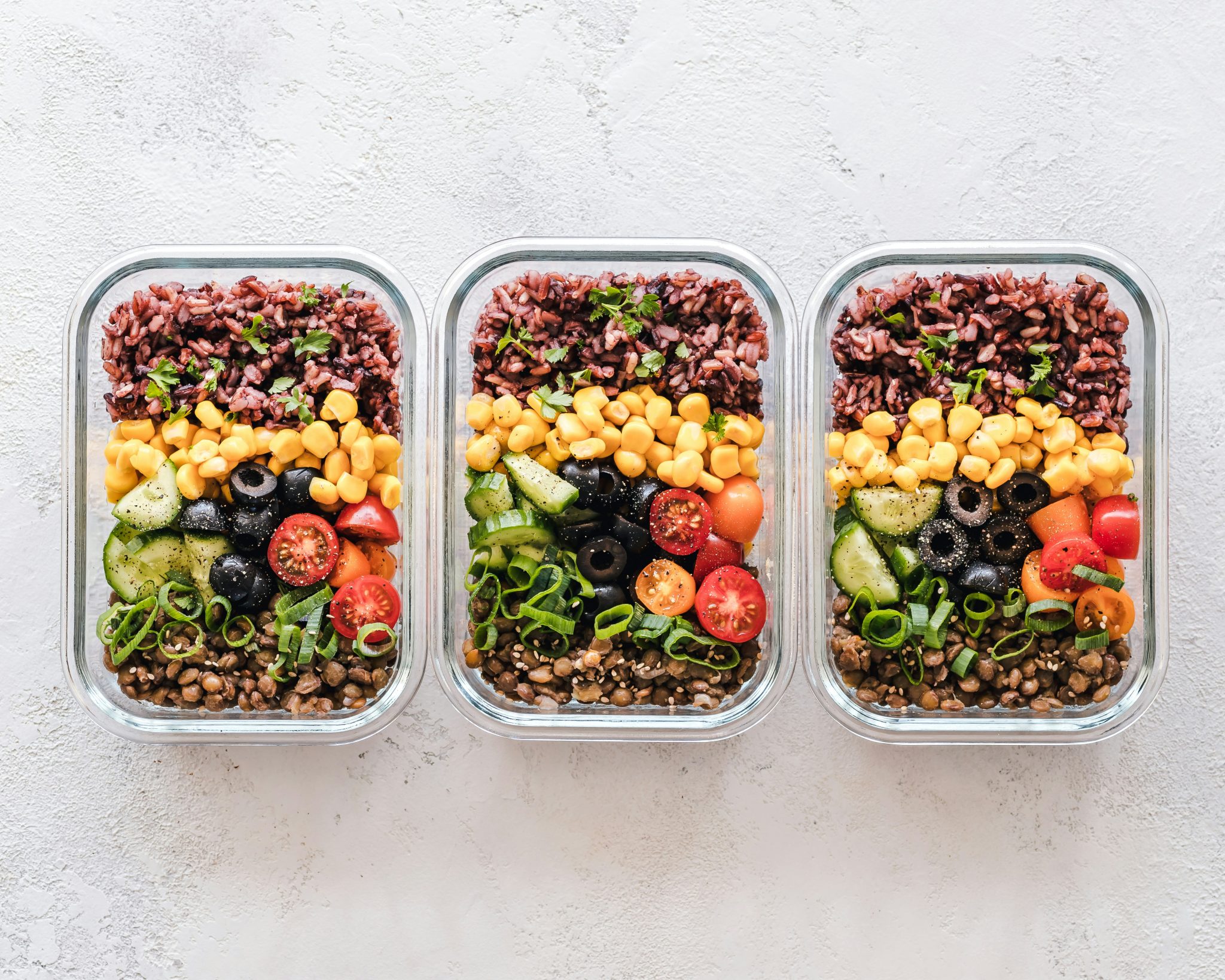
A zero-waste meal plan starts with a simple question: what food do you already have? Rather than planning a week of meals from scratch, look for ingredients that need using and give them a place on the menu. You do not have to use every scrap or follow a perfect schedule. A few practical habits can help you waste less food, spend more thoughtfully, and bring an upcycling mindset into your kitchen.
Start Your Zero-Waste Meal Plan With an Inventory
Check your refrigerator, freezer, and pantry before choosing recipes. Look for fresh produce, opened packages, cooked leftovers, and ingredients you may have forgotten. Put anything that needs using soon where you can see it.
Then plan a few meals around those items. If you already have a cut of meat to cook, a ham steak in crock pot could help you turn it into an easy dinner. Starting with what you own gives each ingredient a purpose before you buy more.
Choose Meals That Share Ingredients
You can make different meals without buying a separate set of ingredients for each one. Spinach might go into a salad, then an omelet. Fresh herbs could season roasted vegetables and later brighten a soup.
Look especially at foods sold in quantities larger than one recipe needs. Before buying a bunch of parsley or a bag of carrots, decide where the rest will go. This small step makes your grocery list more useful and keeps good food from being forgotten.
Give Leftovers a Second Life
Treat cooked food as a head start on your next meal. Roasted vegetables can become a wrap filling or grain bowl. Cooked chicken can go into tacos, while extra rice can form the base of fried rice.
Build one flexible meal into your weekly plan for these odds and ends. You might make a soup, frittata, or bowl using whatever is ready to eat. Planning for leftovers makes them easier to use while they are still fresh.
Use the Freezer in Your Zero-Waste Meal Plan
If you will not eat something soon, freeze it while it is still in good condition. Divide large batches into portions you would actually thaw, and label each container with its contents and date.
Bread, ripe fruit, prepared meals, and many chopped vegetables can be saved for later. Keep a short list of what is in your freezer so those ingredients remain part of your meal plan instead of disappearing behind newer groceries.
Find Another Use for Suitable Scraps
Food upcycling often begins with an ingredient’s second use. Stale bread can become croutons or breadcrumbs. Ripe fruit can go into smoothies or baking, and suitable vegetable trimmings can add flavor to stock.
Be selective: save scraps only when you have a realistic use for them, and store them safely. The goal is to notice opportunities, not to fill your freezer with ingredients you will never cook.
Shop for What Your Plan Is Missing
Once you have checked what is at home and chosen a few meals, write a list of what you need to complete them. Think about quantities, too. A recipe that calls for one handful of greens may not justify buying a large bag unless you have another use for it.
A focused list still leaves room for an appealing seasonal find. Just consider when you will eat it and which ingredient it might replace in your plan.
Keep Your Zero-Waste Meal Plan Flexible
Meal plans work best when they can change. If your produce ripens faster than expected, cook it first. If dinner plans change, freeze an ingredient or move leftovers into the next day’s lunch.
A zero-waste meal plan is a guide to using food well. Check in with your kitchen as the week unfolds, then adjust your meals around what needs attention.
Make the Habit Your Own
You can begin with one fridge check and two or three planned meals. As you learn what your household uses, you can buy more accurately and find easier ways to remake leftovers.
The same idea that makes upcycling rewarding applies here: look at what you already have and imagine what else it could become.
