
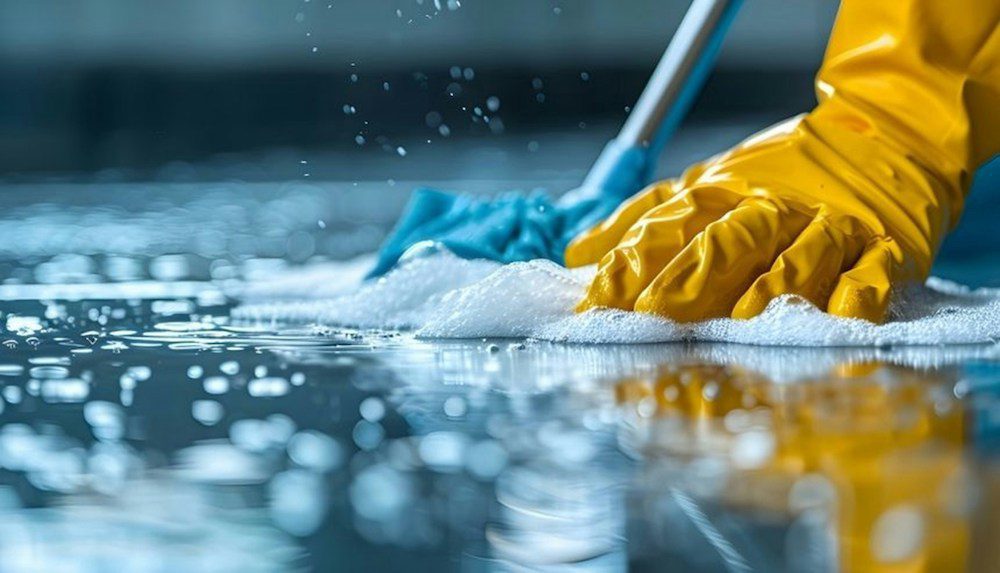
Sustainable cleaning for businesses is no longer a niche consideration—it’s becoming a defining feature of modern, well-run workplaces. Companies are moving beyond surface-level swaps and rethinking how cleaning fits into their overall operations, from the products they choose to the systems they put in place. This shift reflects a broader awareness that cleanliness is not just about appearance, but about air quality, employee well-being, and long-term environmental impact.
When approached thoughtfully, sustainable cleaning becomes less about restriction and more about refinement. Businesses that centralize their cleaning logistics and vendor coordination, the way klenspace.com approaches commercial cleaning, tend to find it easier to apply sustainability standards consistently across a facility. It’s an opportunity to eliminate waste, simplify routines, and create spaces that feel better to work in every day. The result is a workplace that supports both performance and health, without relying on heavy chemical loads or inefficient processes.
What Sustainable Cleaning for Businesses Really Means
Sustainable cleaning for businesses is built on a set of interconnected practices rather than a single product swap. It includes using low-VOC or plant-based cleaners, reducing water consumption, minimizing single-use materials, and maintaining indoor air quality through better product choices and ventilation awareness. These elements work together to create a system that is both effective and responsible.
What separates truly sustainable operations from surface-level efforts is consistency. Businesses that treat cleaning as a coordinated system—where procurement, storage, and daily use are aligned—tend to see stronger, longer-lasting results. Instead of relying on one-off changes, they build habits that naturally reduce waste and improve efficiency over time.
Why Businesses Are Shifting Toward Greener Cleaning Methods
The move toward greener cleaning methods is driven by practical benefits, not just environmental ideals. Businesses are recognizing that the way a space is cleaned directly affects how people feel and function within it, which makes this shift both strategic and measurable.
Improved indoor air quality is one of the most immediate advantages. Traditional cleaning products often release volatile organic compounds (VOCs), which can linger in enclosed spaces and impact focus, comfort, and respiratory health. By switching to low-toxicity alternatives, businesses can create environments that feel noticeably fresher and more breathable.
There are also long-term operational gains. Concentrated products reduce packaging waste and shipping costs, while efficient cleaning systems lower water and energy use. Over time, these incremental improvements add up, helping businesses reduce expenses while also shrinking their environmental footprint.
High-Impact Cleaning Swaps That Make an Immediate Difference
For businesses looking to transition, the most effective approach is to start with high-impact swaps that integrate easily into existing routines. These changes deliver visible results without requiring a full operational overhaul, making them easier to adopt and maintain.
Replacing conventional cleaning products is often the first step. Many standard cleaners contain synthetic chemicals that contribute to indoor air pollution, while eco-friendly alternatives use plant-based ingredients that break down more cleanly. This shift alone can significantly reduce chemical exposure within a space.
Reusable materials are another powerful upgrade. Microfiber cloths, for example, outperform disposable paper products by capturing more debris with less cleaning solution. When paired with refillable containers and concentrated formulas, they help reduce both waste and ongoing supply costs.
Smarter Tools That Reduce Water and Energy Use
Beyond products, the tools used in cleaning routines play a major role in overall sustainability. Equipment that is designed for efficiency can dramatically cut down on resource use without compromising performance, especially in larger or high-traffic spaces.
Steam cleaners, low-flow spray systems, and microfiber mopping setups all use significantly less water than traditional methods. These tools are designed to maximize coverage and effectiveness while minimizing excess, which leads to both environmental and operational savings. Over time, this kind of efficiency becomes part of the workflow rather than an extra effort.
Energy-efficient equipment also contributes to a more sustainable system. Machines that use less electricity per cycle reduce long-term energy consumption, making them a smart investment for businesses that clean frequently or operate at scale.
How to Choose Truly Eco-Friendly Cleaning Products
Not all products labeled as “green” deliver the same level of safety or performance. For businesses, understanding which certifications actually signal credibility can make a significant difference in maintaining consistent standards across a space.
Third-party certifications provide a more reliable benchmark than general marketing claims. Programs like EPA Safer Choice evaluate ingredients for both human health and environmental impact, while Green Seal and UL ECOLOGO assess broader lifecycle factors such as manufacturing, performance, and packaging. These labels help businesses make informed purchasing decisions without having to analyze every ingredient individually.
Consistency is just as important as selection. Maintaining a shortlist of approved products simplifies procurement and ensures that sustainability standards are upheld across teams, shifts, and locations. This kind of structure prevents well-intentioned systems from drifting over time.
Making Sustainable Cleaning Systems Stick
The biggest mistake businesses make is treating sustainability as a one-time upgrade rather than an ongoing practice. For sustainable cleaning for businesses to truly work, it needs to be embedded into daily operations through simple systems and clear expectations.
A basic cleaning policy is often enough to create alignment. Outlining which products to use, how to dilute them, and how to manage waste gives staff a clear framework to follow. When these practices are documented and communicated effectively, they become part of the workplace culture rather than optional guidelines.
Tracking a few key metrics can also reinforce progress. Monitoring product usage, packaging waste, and water consumption provides insight into what’s working and where adjustments are needed. This doesn’t require complex reporting—simple monthly check-ins are often enough to maintain momentum and accountability.
Building a Cleaner, More Intentional Workplace
Sustainable cleaning for businesses is ultimately about making better decisions, consistently. It’s not about perfection or overhauling every process overnight, but about identifying the areas where small changes can create meaningful impact. When product choices, tools, and systems all work together, the results become both visible and lasting.
A well-maintained space should support the people who use it, not expose them to unnecessary chemicals or inefficiencies. By approaching cleaning as part of a broader operational strategy, businesses can create environments that feel lighter, healthier, and more intentional. And once those systems are in place, they tend to reinforce themselves—making sustainability the default, not the exception.
