
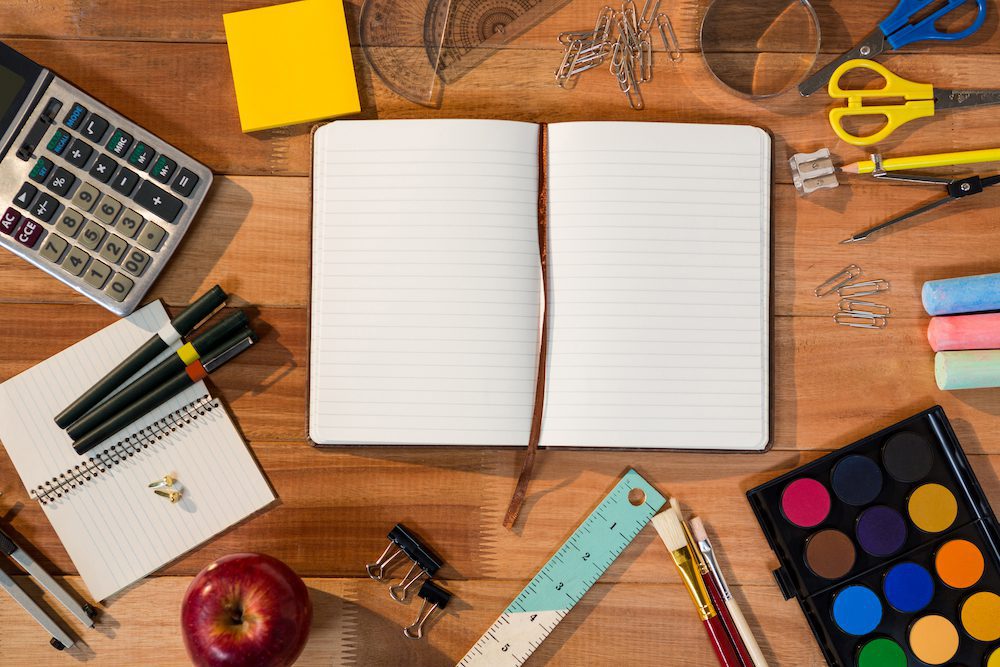
A visual learner’s study space needs to do far more than provide a desk and decent lighting. For visual learners specifically, the environment itself becomes part of the learning process. Color, spatial organization and visual reminders all influence how information is absorbed, understood and remembered. A blank, clutter-free desk may look productive, but it does not necessarily support the way visual thinkers actually process information.
The good news is that building a study space around visual learning styles does not require expensive furniture or a Pinterest-perfect renovation. Some of the most effective solutions can be created using upcycled materials, thrifted finds and simple DIY projects. Old corkboards, repurposed picture frames, leftover paint and salvaged shelving can all become part of a study setup that feels both functional and creative.
What Makes a Visual Learner’s Study Space Different?
Visual learners tend to absorb information more effectively when it is presented spatially, graphically or through color-coded systems. Charts, diagrams, timelines and written notes often feel easier to process than purely verbal explanations.
Because of this, the ideal study environment for visual learners should support:
- visual organization
- large working surfaces
- color coding
- visible reminders
- subject separation
- diagram-based learning
- accessible wall space
This is where upcycled design works especially well. Instead of forcing a generic setup into the room, students can create a space that reflects the way they personally learn and think. The process becomes more intentional, adaptable and affordable.
How to Build a Visual Learner’s Study Space for Math
Math is one subject where visual learners often struggle unnecessarily. Traditional teaching methods tend to focus heavily on verbal explanations and memorization of procedures rather than visual understanding.
A dedicated math section can completely change that experience. Large corkboards, pegboards or even painted cardboard panels can become rotating formula walls filled with diagrams, worked examples and visual breakdowns of key concepts. Instead of constantly flipping through textbooks, students can keep important relationships visible while working.
This setup also pairs well with digital tools that emphasize visual problem-solving. Platforms like Edubrain’s AI math solver by picture allow students to photograph handwritten problems and receive step-by-step visual solutions in return. That kind of structured visual feedback can feel far more intuitive for learners who struggle with purely text-based explanations.
Repurposed office supplies, thrifted boards and leftover hardware materials work perfectly for building this type of learning station without spending much money.
Why Timelines Work So Well for History and Humanities
History, literature and social studies naturally lend themselves to visual organization because they rely so heavily on chronology and relationships between events. These same techniques are often explored by future educators in teaching programs or online bachelor’s degrees, where understanding how different students learn is an important part of classroom instruction. One of the most effective DIY solutions is a timeline wall created using recycled index cards, leftover tape and repurposed frames.
A simple horizontal timeline stretched across part of the wall can transform the way information is remembered. Different colors can represent political movements, cultural events, historical figures or economic changes. As lessons progress, students can physically rearrange events and trace patterns visually instead of simply rereading notes.
Old picture frames without glass can also become reusable mini whiteboards using whiteboard paint or sheet protectors placed over cardboard backing. Thrift stores often have stacks of inexpensive frames that work perfectly for projects like this.
The goal is not perfection. It is creating a learning system that keeps information visible and easy to mentally organize.
Creating a Science Diagram Station With Upcycled Materials
Science subjects rely heavily on visual memory. Diagrams, graphs, cell structures and circuits are often easier to retain when students actively draw and interact with them rather than simply reading textbook descriptions.
A diagram station can be created using foam board, salvaged plywood or even thick cardboard mounted to the wall with removable adhesive strips. Covering the surface with replaceable paper creates a reusable practice area for sketching diagrams repeatedly from memory.
This type of repetition is especially helpful for visual learners because it turns abstract concepts into physical visual patterns. Biology diagrams, chemistry structures and physics graphs all become easier to recall when students physically recreate them.
A printed periodic table mounted nearby can also function as a passive visual reference throughout the semester. Small details constantly seen in the environment often become easier to remember over time.
Language Learning Works Better With Visual Clusters
Vocabulary memorization becomes much easier when words are grouped visually instead of studied in isolated lists. A dedicated language corner built from thrifted corkboards, cardboard panels or repurposed wall grids can help create stronger associations between words and themes.
Instead of organizing vocabulary by textbook chapter, visual learners often benefit from organizing by context:
- travel
- emotions
- food
- weather
- conversation
- routines
As new vocabulary is added, the clusters continue growing organically. Older words remain visible alongside newer ones, helping learners build stronger contextual memory over time.
This type of visual arrangement mirrors how memory naturally works. Connections between ideas become easier to recognize when information remains spatially organized instead of hidden away in notebooks.
Upcycled Design Ideas That Improve Any Study Visual Learner’s Study Space
Some of the best visual learner’s study space ideas are also the simplest. Small design choices can dramatically improve focus, clarity and organization.
A few easy upgrades include:
- repurposing an old dining table into a large desk surface
- turning wooden crates into open shelving
- using colored tape for subject organization
- mounting thrifted corkboards for rotating notes
- repainting second-hand furniture in calming tones
- converting old jars into pen and supply storage
- using salvaged pegboards for modular organization
Lighting also matters more than many people realize. Bright lighting without harsh screen glare helps reduce eye strain and mental fatigue during long study sessions. Even repositioning an old floor lamp can improve the functionality of a room significantly.
Why Visual Learner’s Benefit From Intentional Spaces
The best visual learner’s study space is not necessarily the most expensive or aesthetically perfect one. What matters most is whether the space supports the way information is naturally processed and recalled.
Subject-specific zones, visible reminders and spatial organization all reduce cognitive overload and make studying feel less mentally chaotic. Instead of constantly searching through piles of notes or reopening tabs, students can interact with information directly in their environment.
That physical relationship with learning materials often creates stronger memory retention and a more engaging study experience overall.
More importantly, building a study space through upcycled materials adds another layer of creativity and personalization to the process. Rather than buying generic organizational systems, students can create spaces that evolve alongside their learning style and academic needs.
Over time, the room itself becomes part of the learning process instead of just the place where studying happens.
