
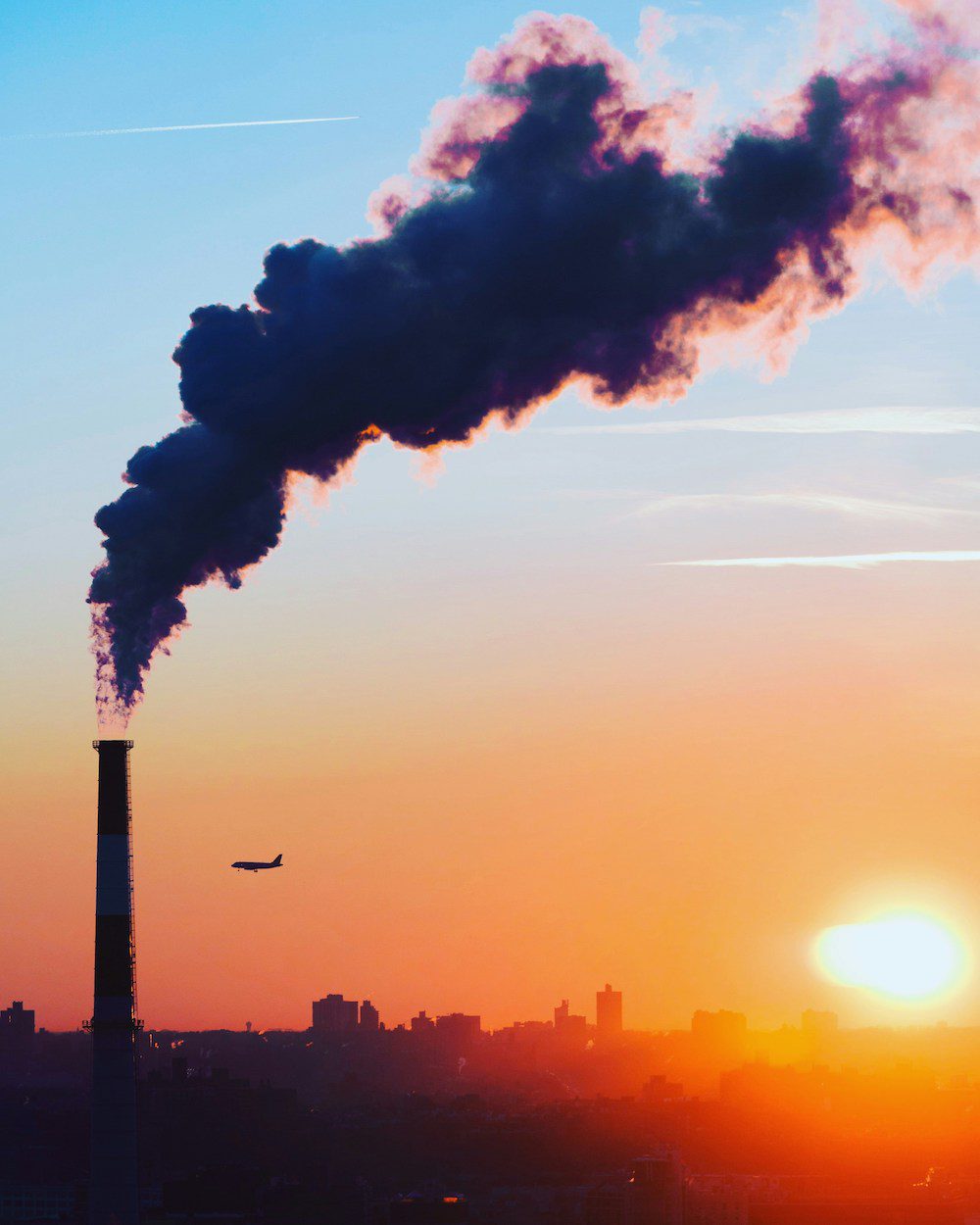
Environmental checks are the behind-the-scenes systems that help keep industrial operations from quietly damaging the world around them. They monitor everything from air pollution and wastewater to chemical leaks, soil contamination, excessive noise, and unsafe emissions. While the term may sound technical, environmental checks ultimately exist for a simple reason: to make sure businesses operate responsibly without putting people, ecosystems, or surrounding communities at risk.
For decades, many companies treated environmental oversight as little more than paperwork for regulators. That mindset has changed dramatically. Today, environmental checks sit at the center of modern business operations because the consequences of getting things wrong are far greater than they once were. A single contamination event, toxic spill, or emissions failure can trigger lawsuits, massive cleanup costs, operational shutdowns, and permanent reputational damage almost overnight.
At the same time, public awareness around sustainability has grown significantly. Consumers, investors, and local communities now expect companies to take visible responsibility for their environmental impact. Businesses are no longer judged only by the products they sell but also by how safely and ethically they operate behind the scenes.
This shift has transformed environmental checks from a reactive compliance measure into a proactive business strategy. Modern monitoring systems now help companies identify problems early, reduce waste, improve efficiency, and avoid environmental failures before they escalate into serious crises.
What Environmental Checks Actually Involve
Environmental checks refer to the ongoing process of measuring how industrial operations affect surrounding environmental conditions. Depending on the industry, this can include monitoring air quality, water safety, hazardous waste, chemical storage, energy use, vibration levels, and soil contamination.
In regulated industries, these checks are required to prove that facilities remain within legal operating limits established by environmental agencies. Businesses must often maintain detailed records showing that emissions, wastewater discharge, and waste disposal procedures consistently meet safety standards.
However, environmental checks are not only about avoiding penalties. They also help businesses operate more efficiently. Companies that carefully monitor leaks, filtration systems, energy waste, and material usage often uncover opportunities to reduce costs while improving sustainability at the same time.
Modern environmental monitoring has also become far more advanced than traditional inspection models. Many facilities now rely on automated systems that collect real-time data around the clock rather than depending solely on occasional manual testing.
Key Requirements for Environmental Compliance
Strong environmental checks rely on more than occasional inspections. In regulated industries, companies are expected to maintain detailed systems that prove environmental responsibility is built into daily operations rather than treated as an afterthought. For companies in high-risk sectors, partnering with an environmental consulting firm is a strategic necessity to audit workflows and identify compliance gaps. These experts ensure permits are up to date and prepare the facility for unannounced inspections.
Some of the most important environmental compliance requirements include:
- Comprehensive permit management: Facilities must maintain permits that regulate emissions, wastewater discharge, hazardous materials, and operational limits.
- Hazardous waste handling protocols: Strict procedures govern how chemicals and dangerous materials are stored, transported, and disposed of safely.
- Ongoing environmental reporting: Many industries are required to submit detailed monitoring data proving they remain within legal environmental limits throughout the year.
- Employee safety and response training: Staff must understand how to handle hazardous materials, respond to spills, and follow environmental emergency procedures correctly.
- Routine risk assessments: Businesses are expected to identify potential environmental threats before they become larger operational or public safety issues.
- Equipment inspection and calibration: Monitoring systems only work properly when sensors, analyzers, and testing equipment are regularly maintained and calibrated.
- Internal auditing systems: Many organizations conduct mock inspections and internal reviews to identify compliance gaps before regulators do.
- Site restoration planning: Certain industries must maintain long-term cleanup and restoration plans for when operations eventually end.
When these systems work together, environmental checks become far more than regulatory paperwork. They create a framework that helps businesses reduce risk, improve efficiency, and operate more responsibly over the long term.
Why Environmental Checks Matter More Than Ever
Environmental responsibility has become deeply tied to public trust. Communities want reassurance that nearby facilities are not polluting local water systems, contaminating soil, or releasing dangerous emissions into the air.
Social media has amplified this pressure significantly. Environmental incidents that once remained local news stories can now spread globally within hours. Public backlash often moves faster than official investigations, making prevention far more valuable than damage control.
Government regulations have also become increasingly strict across many sectors. Businesses operating in manufacturing, energy, construction, chemical production, agriculture, and waste management now face heavier oversight than ever before. Regulators expect consistent monitoring, accurate reporting, and immediate corrective action when problems arise.
For international companies, compliance becomes even more complex because environmental standards vary across countries and regions. Maintaining strong environmental checks helps organizations manage this complexity while reducing operational risk.
Reduce Risk Through Proactive Monitoring
One of the biggest changes in modern environmental management is the shift away from reactive problem-solving. Older systems often identified issues only after visible damage occurred or complaints were filed.
Today’s environmental strategies focus much more heavily on prevention. Advanced sensors and monitoring systems can detect subtle warning signs long before they become dangerous. A filtration issue, chemical imbalance, or unusual emissions spike can now trigger alerts immediately instead of remaining unnoticed for weeks or months.
This early detection model gives companies time to respond before a situation escalates into an environmental emergency. In many cases, proactive monitoring prevents both environmental damage and costly operational downtime.
Automation has played a major role in improving reliability as well. Digital monitoring platforms continuously collect environmental data while creating detailed records for audits and inspections. These systems reduce human error while giving managers instant visibility into multiple facilities at once.
The Most Common Types of Environmental Checks
Different industries require different forms of environmental oversight, but several monitoring categories appear consistently across regulated sectors.
Air Quality Monitoring
Air monitoring systems measure pollutants such as particulate matter, chemical vapors, smoke, and industrial emissions. These checks help ensure surrounding air remains safe for both workers and nearby communities.
Modern sensors can provide continuous real-time readings that immediately flag abnormal conditions or dangerous spikes in pollution levels.
Water Quality Testing
Facilities that produce wastewater must carefully monitor what leaves their site. Water quality checks measure factors such as pH balance, heavy metal contamination, chemical concentrations, and oxygen levels.
These systems help prevent harmful pollutants from entering rivers, lakes, groundwater systems, or municipal infrastructure.
Soil and Groundwater Monitoring
Industrial sites involving underground storage tanks, pipelines, or chemical handling often require ongoing soil testing. These checks identify leaks or contamination before they spread through surrounding land and groundwater systems.
Even small underground leaks can create severe long-term environmental damage if left undetected.
Noise and Vibration Monitoring
Environmental oversight extends beyond pollution alone. Construction projects, manufacturing facilities, and transportation hubs often monitor noise and vibration levels to reduce disruption for surrounding communities.
These systems also help prevent structural damage to nearby buildings caused by heavy industrial activity.
The Biggest Challenges Businesses Face
Despite major advances in environmental technology, maintaining reliable monitoring systems still comes with challenges.
One of the largest obstacles is managing the enormous volume of data produced by modern monitoring equipment. Large facilities may collect thousands of environmental readings every day. Without clear systems for organization and analysis, important warning signs can easily get buried.
Aging infrastructure creates another issue. Many industrial operations still rely on older equipment that was never designed to integrate with modern digital monitoring platforms. Upgrading these systems can be expensive and technically demanding.
Staff training also plays a critical role. Employees must understand how monitoring systems work, how to interpret environmental data, and how to respond appropriately when problems arise.
On top of that, environmental regulations continue evolving rapidly. Businesses must constantly adapt to changing legal standards, reporting requirements, and sustainability expectations.
Environmental Responsibility Is Becoming a Business Advantage
Forward-thinking companies increasingly treat environmental checks as a long-term investment rather than an operational burden. Strong monitoring systems reduce risk, improve efficiency, and strengthen public credibility.
Consumers are paying closer attention to how products are produced and how companies manage their environmental footprint. Businesses that demonstrate genuine environmental responsibility often build stronger customer loyalty and long-term trust.
Investors are shifting in the same direction. Companies with poor environmental records may struggle to attract funding, partnerships, or expansion opportunities in a market that increasingly prioritizes sustainability.
Environmental monitoring can also reveal hidden operational inefficiencies. Tracking waste, emissions, and resource usage often uncovers opportunities to lower costs while improving overall performance.
The Future of Environmental Checks
Environmental monitoring technology is advancing rapidly. Artificial intelligence, predictive analytics, and cloud-based systems are already transforming how facilities identify and respond to environmental risks.
Future systems may be capable of predicting equipment failures before they happen, automatically identifying compliance risks, and triggering corrective actions without human intervention. Remote monitoring capabilities will likely continue expanding as businesses oversee larger networks of facilities across multiple regions.
Public expectations around transparency will continue growing as well. Businesses will increasingly need to demonstrate not only compliance with regulations but also a meaningful commitment to environmental leadership.
Environmental checks are no longer just about passing inspections or avoiding fines. They have become part of how modern businesses build resilience, improve efficiency, protect communities, and create long-term sustainability.
