
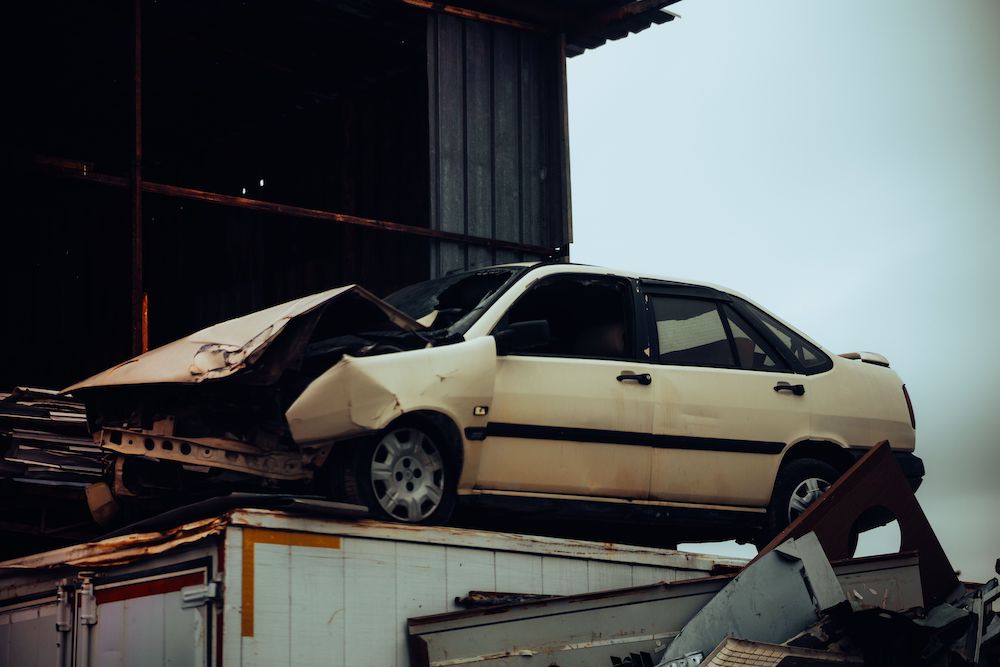
When it’s time to recycle a totaled car, there are more options available than simply sending it to the scrapyard.While receiving a total loss determination can feel like the end of the road for your vehicle, it is often the beginning of a new life for many of its components. From reusable parts and recyclable metals to creative DIY projects, a damaged vehicle can continue to provide value long after it leaves the road.
Approaching the process thoughtfully helps reduce waste, protects the environment, and may even help you recover some of the financial value remaining in the vehicle.
What to Do Before You Recycle a Totaled Car
Before arranging for disposal, take the time to complete all necessary paperwork and insurance requirements. Confirm the status of your vehicle title, gather documentation related to the accident, and communicate with your insurance provider regarding ownership and settlement details.
Legal matters may also need attention depending on the circumstances of the collision. For example, if the accident occurred in Woodland Hills, local regulations and claim timelines may affect how quickly you can move forward with insurance settlements, liability concerns, or vehicle disposal. Understanding these requirements early can help prevent delays and ensure everything is handled properly before the vehicle is dismantled.
Taking care of administrative tasks first creates a smoother path for the recycling process and helps avoid complications down the road.
Salvage Valuable Parts Before You Recycle a Totaled Car
A totaled vehicle often contains far more reusable material than people realize. Depending on the extent of the damage, many parts may still hold value for resale, reuse, or future projects.
Common items worth salvaging include:
- Floor mats
- Mirrors
- Wheels and tires
- Roof racks
- Audio equipment
- Headlights and taillights
- Batteries
- Upholstery
- Navigation systems
Modern vehicles can also store personal information through infotainment systems and connected apps. Before the vehicle leaves your possession, perform a factory reset and remove any saved contacts, addresses, passwords, and personal data.
Salvaging useful components not only reduces waste but can also help offset some of the financial loss associated with the accident.
Work With Certified Dismantlers When You Recycle a Totaled Car
Choosing the right recycling partner is one of the most important decisions you’ll make.
Certified auto dismantlers are equipped to safely process damaged vehicles while maximizing material recovery. They follow environmental regulations, recover reusable parts, and properly separate recyclable materials such as steel, aluminum, plastic, glass, and electronics.
Professional dismantlers also remove potentially hazardous substances, including:
- Engine oil
- Brake fluid
- Coolant
- Transmission fluid
- Fuel residues
- Refrigerants
Improper disposal of these materials can contaminate soil and waterways. By working with a licensed facility, you help ensure that dangerous substances are handled responsibly while recyclable materials remain in circulation.
This approach supports both environmental sustainability and the circular economy by recovering as much value from the vehicle as possible.
Think Creatively About Upcycling Materials
For Upcycle That readers, this may be the most exciting part of the process.
A totaled vehicle can be a surprisingly rich source of materials for creative projects. Rather than sending every component to be melted down or discarded, consider how certain parts might be transformed into something useful or decorative.
Popular upcycling ideas include:
- Turning license plates into wall art
- Transforming wheel rims into planters
- Repurposing headlights as statement lighting
- Using metal panels for industrial shelving
- Creating sculptures from gears and mechanical components
- Converting seats into lounge chairs
If you’re feeling especially ambitious, you can even use car doors or hoods to create unique garden furniture, outdoor workstations, or statement pieces that bring industrial character to your outdoor space.
Projects like these help reduce waste while creating one-of-a-kind items with a story behind them.
Why Recycling and Upcycling Go Hand in Hand
Recycling and upcycling both aim to keep valuable materials out of landfills, but they do so in different ways.
Traditional recycling breaks materials down so they can be manufactured into new products. Upcycling preserves existing materials and transforms them directly into something new and useful.
When it comes to vehicles, combining both approaches often creates the best environmental outcome. Metals, plastics, and electronics can be recycled through professional facilities, while unique components can be repurposed into furniture, decor, garden features, or artistic projects.
This mindset helps extend the life of materials and reduces the demand for new resources.
How to Recycle a Totaled Car for Maximum Environmental Impact
If sustainability is your priority, focus on maximizing recovery before the vehicle reaches the recycling yard.
Start by removing reusable components. Next, ensure all personal information has been erased. Then choose a certified dismantler that follows environmentally responsible practices and prioritizes material recovery.
Finally, look for opportunities to upcycle select parts rather than discarding them. Even a small project can divert materials from the waste stream while adding personality and function to your home or garden.
Every piece that is reused, repurposed, or recycled contributes to a more sustainable future.
Turning a Total Loss Into a Sustainable Opportunity
Learning how to recycle a totaled car responsibly is about more than simply sending a damaged vehicle to the scrapyard. It involves making thoughtful decisions about paperwork, reusable parts, environmental responsibility, and creative reuse.
What may seem like a complete loss at first glance often contains valuable materials with plenty of life left in them. By salvaging what you can, working with certified recycling facilities, and embracing an upcycling mindset, you can turn an unfortunate situation into an opportunity to reduce waste and create something meaningful from what remains.
