
Learning how to reduce energy waste at home does not always require expensive renovations or major lifestyle changes. In many cases, the most effective improvements come from small daily habits that lower unnecessary consumption over time. By becoming more intentional about heating, lighting, water usage, and appliance habits, homeowners can reduce utility bills while creating a more sustainable living environment.
Most households waste energy through repeated routines rather than dramatic inefficiencies. Leaving lights on in empty rooms, constantly adjusting the thermostat, or running half-full laundry loads may seem minor individually, but these habits add up quickly. Building better routines around everyday systems creates long-term savings while helping households operate more efficiently overall.
Start With Heating and Cooling Efficiency
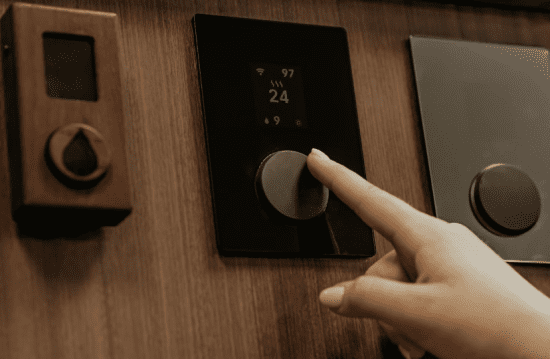
Heating and cooling systems account for the largest portion of residential energy use, making them the best place to begin when trying to improve efficiency. Small thermostat adjustments can create noticeable savings when maintained consistently throughout the year.
Instead of reacting to temperature changes throughout the day, create stable seasonal settings that support efficiency. Raising the cooling target slightly during summer and lowering the heating target during winter helps HVAC systems work less aggressively. Beyond filters, regular cooling system care keeps airflow consistent across vents and prevents slow degradation that builds invisibly over time. Even modest adjustments can significantly reduce energy consumption over time.
Unused rooms should also be managed strategically. Closing doors, blinds, and vents in spaces that are not regularly occupied prevents conditioned air from being wasted unnecessarily. This simple daily habit allows heating and cooling systems to focus only on the areas that are actively being used.
Use Smarter Lighting Habits Throughout the Day
Lighting waste often happens passively in the background. Many households leave lights running in rooms that nobody is using, which quietly increases electricity consumption over time.
Switching to LED bulbs is one of the simplest and most effective efficiency upgrades available. LEDs consume far less electricity than traditional bulbs while lasting significantly longer. Pairing efficient bulbs with better habits creates even greater savings.
Natural light should also be used whenever possible. Opening curtains during the day reduces reliance on artificial lighting while helping warm certain rooms naturally during colder months. Task lighting is another useful strategy because it focuses illumination only where it is needed instead of lighting entire spaces unnecessarily.
Reduce Energy Waste at Home by Eliminating Standby Power
Standby power is one of the easiest forms of energy waste to overlook. Many electronics continue drawing electricity even when they appear to be turned off, quietly increasing monthly utility costs.
Entertainment systems, gaming consoles, chargers, coffee makers, and small kitchen appliances commonly contribute to phantom power consumption. Building a habit around unplugging devices when they are not actively in use can noticeably improve household efficiency.
Smart power strips simplify this process further by allowing multiple connected devices to shut down simultaneously. Instead of unplugging each item individually, homeowners can eliminate standby power with a single switch.
Chargers deserve attention as well. Phone and laptop chargers often continue pulling electricity even when no device is attached. Unplugging them after use is a small adjustment that contributes to larger long-term reductions in household energy consumption.
Improve Laundry and Hot Water Habits
Laundry and water heating systems create another major source of daily energy use. Fortunately, these routines are relatively easy to optimize through more intentional habits.
Cold water washing should become the default for most laundry loads. Heating water accounts for the majority of washing machine energy consumption, so using cold settings dramatically improves efficiency while still cleaning clothes effectively for normal use.
Running full loads instead of smaller partial cycles also helps reduce unnecessary electricity and water usage throughout the week. When drying clothes, cleaning the lint filter before each cycle improves airflow and shortens drying times.
Hot water habits outside the laundry room matter just as much. Lowering the water heater temperature to approximately 120°F helps reduce standby heat loss without negatively affecting everyday comfort. Shorter showers and turning off taps while washing dishes can further lower unnecessary hot water demand throughout the day.
Regular Home Maintenance to Reduce Energy Waste at Home
Many households unknowingly waste energy because systems are not maintained properly. Small maintenance routines help appliances and HVAC systems operate more efficiently while reducing wear over time.
Changing HVAC filters regularly is one of the simplest improvements homeowners can make. Dirty filters restrict airflow, forcing heating and cooling systems to work harder than necessary. Replacing filters consistently helps improve efficiency while extending equipment lifespan.
Drafts around doors and windows also contribute to wasted energy. Checking seals periodically and addressing air leaks early prevents conditioned air from escaping. These small fixes often improve comfort levels while lowering utility costs at the same time.
Ceiling fans can also support better efficiency when used correctly. During warmer months, fans improve air circulation and reduce the need for aggressive air conditioning. In colder seasons, reversing the fan direction helps distribute warm air more evenly throughout the room.
Track Progress and Build Long-Term Habits
One of the best ways to stay motivated is by monitoring household energy usage over time. Reviewing monthly utility bills helps identify which changes are producing measurable improvements.
Many utility companies now provide online dashboards that compare energy use across different periods. These tools make it easier to spot seasonal spikes, inefficient habits, and opportunities for additional savings.
An energy audit can also provide valuable insight. Some providers offer free or discounted audits that identify hidden inefficiencies throughout the home. Rather than relying on guesswork, audits help homeowners prioritize the changes that will have the greatest long-term impact.
Small Changes Lead to Reduced Energy Waste at Home
The decision to reduce energy waste at home does not need to feel overwhelming. Lasting efficiency rarely comes from one dramatic upgrade. Instead, it develops through consistent daily habits that gradually become second nature.
Simple adjustments like improving thermostat settings, unplugging unused devices, washing clothes in cold water, and using lighting more intentionally can create meaningful long-term savings. These habits not only reduce household expenses but also support a lower overall environmental footprint.
Starting with one or two manageable changes often leads to more sustainable progress than attempting a complete overhaul at once. Over time, those small routines build a home that operates more efficiently, wastes less energy, and feels more intentional overall.
