
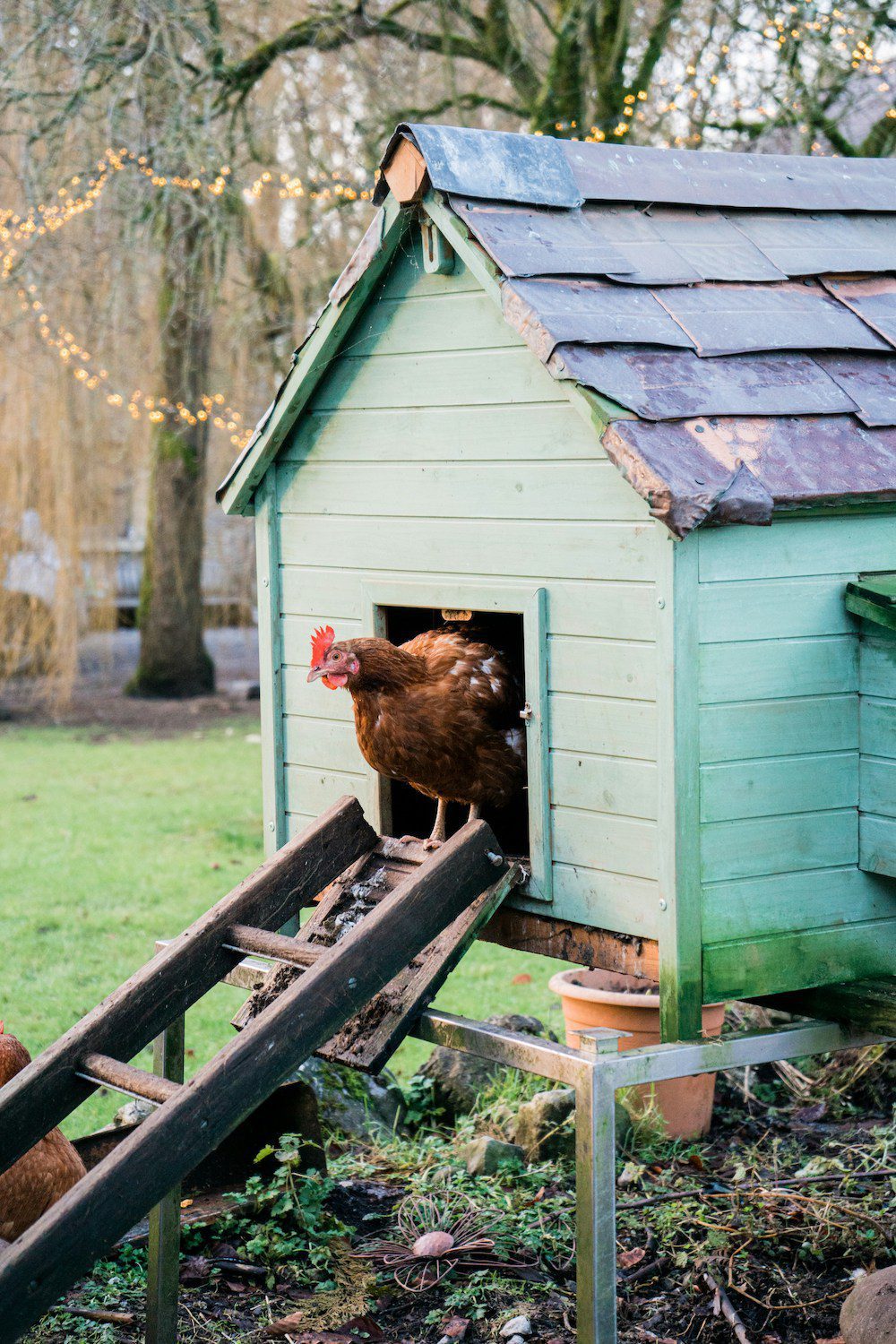
A backyard chicken coop setup is about more than building a shelter for your flock. It is a step toward a more self-sufficient, low-waste lifestyle where everyday systems start to work together. Food scraps become feed, manure becomes compost, and your backyard begins to function as a small regenerative loop. When done well, this setup reduces waste, extends the life of your materials, and creates a healthier environment for both your chickens and your space. The key is getting the fundamentals right from the start so you are not rebuilding, replacing, or correcting avoidable mistakes later.
The Role of a Backyard Chicken Coop Setup in Sustainable Living
A thoughtful backyard chicken coop setup fits naturally into a zero-waste, sustainable lifestyle because it turns everyday habits into a closed-loop system. Instead of throwing food scraps away, they can be fed to your flock, reducing household waste while supplementing their diet. In return, chickens produce nutrient-rich manure that can be composted and used to enrich your soil, supporting healthier gardens without synthetic fertilizers. Over time, this cycle encourages more mindful consumption, better resource use, and a deeper connection to where your food comes from. When your coop is designed to last and function efficiently, it becomes more than a structure—it becomes a daily practice in sustainability, where less is wasted and more is thoughtfully reused.
What Most People Overlook in a Backyard Chicken Coop Setup
A backyard chicken coop setup often starts with excitement and quick decisions, but the long-term impact of those choices is easy to underestimate. Many first-time owners focus on aesthetics or convenience without considering airflow, drainage, or future flock size. These gaps may seem small at first, but they tend to create ongoing issues that require fixes, upgrades, or full replacements. Each of those adjustments adds more materials, more time, and more waste to the process. A well-planned setup, on the other hand, supports both your chickens and a more efficient, sustainable backyard system.
Choosing a Coop That Is Too Small
A metal chicken coop can be a practical choice for durability and ease of cleaning, but even the sturdiest structure becomes a problem if it’s undersized for your flock. Before you commit to any coop, square footage should be your first consideration.
One of the most common mistakes in a backyard chicken coop setup is underestimating how much space chickens actually need. A coop that looks spacious online can quickly become overcrowded once your flock is inside. This leads to stress, aggressive behavior, and poor air quality, all of which affect egg production and overall health. It also often leads to an upgrade within a year, which means replacing materials that could have been avoided with better planning.
The general guideline is to allow at least four square feet of indoor space per bird and around ten square feet of outdoor run space. Larger breeds require even more room, and it is always smarter to plan for growth. Designing your coop for a slightly larger flock from the beginning prevents unnecessary rebuilds and keeps your material use more intentional over time.
Poor Ventilation That Shortens the Life of Your Coop
Ventilation is one of the most overlooked elements of a backyard chicken coop setup, yet it directly affects both flock health and the longevity of the structure itself. Chickens produce moisture through breathing and waste, and without proper airflow, that moisture accumulates inside the coop. Over time, this creates ammonia buildup, mold, and damp conditions that can damage materials and lead to respiratory issues.
Good ventilation allows fresh air to circulate near the top of the coop without creating drafts at roost level. This keeps the interior dry and reduces the risk of structural wear. A coop that stays dry lasts longer, requires fewer repairs, and supports a more sustainable setup overall. Even in colder months, maintaining airflow is essential, as a dry coop is far healthier than a warm, damp one.
Weak Predator Protection That Disrupts the System
A backyard chicken coop setup is only as strong as its ability to protect your flock. Predators such as raccoons, foxes, and neighborhood dogs can quickly exploit weak points in a poorly secured coop. Standard chicken wire is not enough to keep determined predators out, and simple latches can often be opened with surprising ease.
When a flock is lost, it is not just an emotional setback. It breaks the entire backyard system you are building. Eggs, compost input, and the rhythm of your routine are all disrupted. Using durable materials like half-inch hardware cloth, securing all openings, and reinforcing the base of the run prevents these losses and supports a more stable, long-term setup. A secure coop protects not only your chickens, but the sustainability of your entire backyard ecosystem.
Roost Design That Affects Health and Efficiency
Roosting bars are where your chickens rest each night, and their design plays a bigger role than many beginners expect. Bars that are too thin or poorly placed can lead to foot strain, injury, and disrupted sleep. Over time, this affects the health and productivity of your flock.
Flat or slightly rounded wooden bars, ideally made from a simple 2×4 placed with the wide side up, allow chickens to rest comfortably. Each bird should have enough space to perch without crowding, and the bars should be positioned higher than nesting boxes to align with natural behavior. Thoughtful design here reduces stress, prevents health issues, and eliminates the need for constant adjustments or replacements.
Poor Placement That Creates Ongoing Problems
Where you position your coop has a lasting impact on how well your backyard chicken coop setup functions. Placing a coop in a low-lying area often leads to water pooling after rain, creating damp conditions that encourage bacteria, parasites, and structural decay. Over time, this shortens the lifespan of the coop and creates ongoing maintenance issues.
Choosing a slightly elevated area or raising the coop off the ground improves drainage and airflow. It also helps keep bedding dry and reduces the risk of rot. Sun and shade matter as well. Morning sunlight helps dry out moisture, while afternoon shade prevents overheating. A well-placed coop works with your environment instead of against it, reducing the need for fixes and extending the life of your materials.
Designing a Backyard Chicken Coop Setup as a Closed-Loop System
A well-planned backyard chicken coop setup does more than house chickens. It becomes part of a larger system that reduces waste and supports your home environment. Kitchen scraps can be redirected to your flock, manure can be composted, and that compost can be used to enrich your soil. Over time, this creates a cycle where resources are reused rather than discarded.
Design choices play a role in how effective this system becomes. Durable materials reduce replacement needs, proper sizing avoids unnecessary upgrades, and good placement supports soil health. Even small decisions, like allowing space for composting nearby, can strengthen the connection between your coop and the rest of your backyard.
Building It Right the First Time
Most issues in a backyard chicken coop setup come down to decisions made too quickly or without enough long-term thinking. When space, airflow, protection, and placement are considered from the beginning, the result is a setup that lasts longer and performs better. This reduces waste, saves money, and creates a more stable environment for your flock.
Taking the time to plan carefully means you are not just building a coop. You are creating a system that supports daily life in a more efficient and sustainable way. When everything works together, your backyard becomes more than a collection of features. It becomes a functional, regenerative space that continues to give back over time.
