
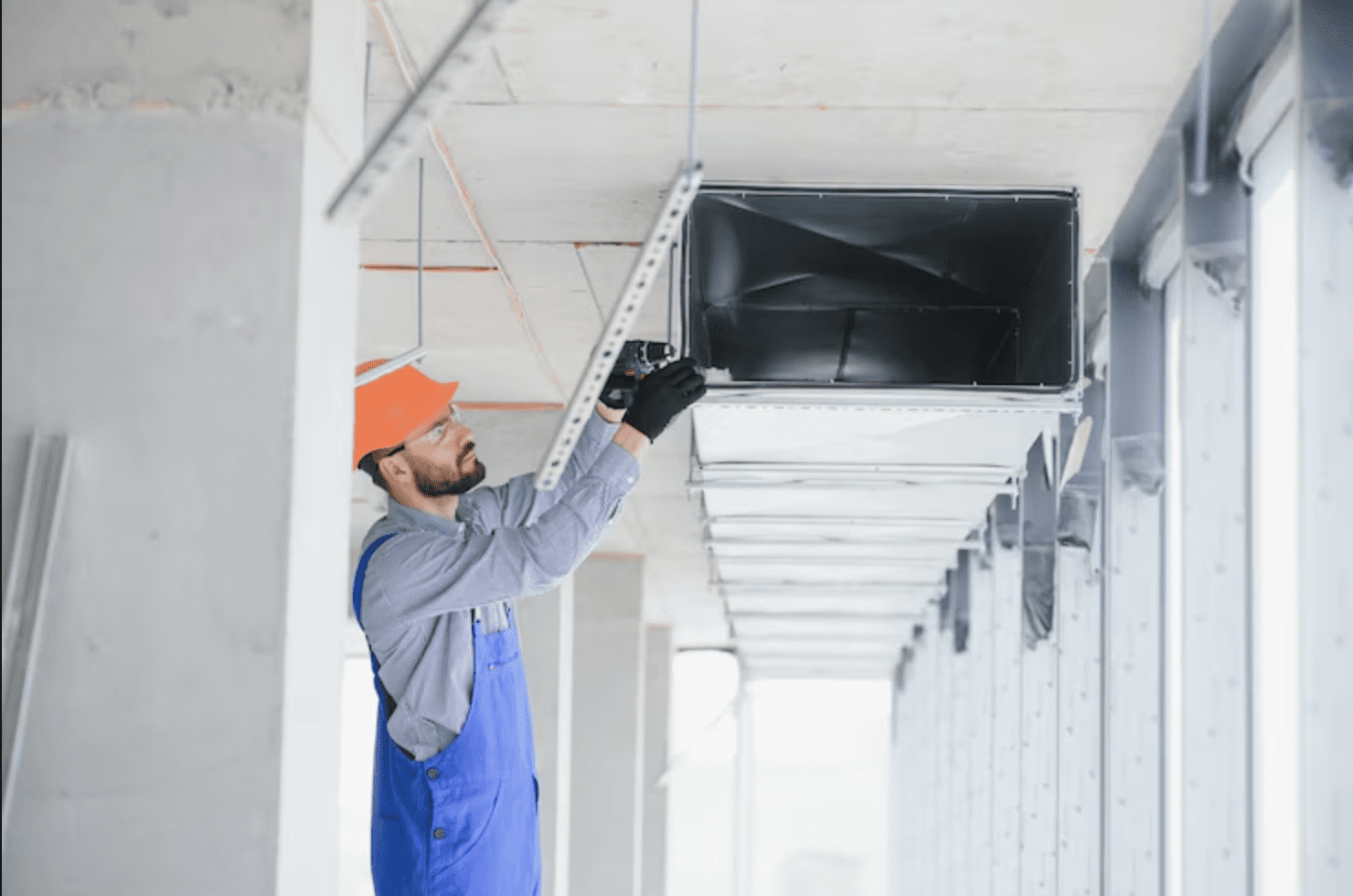
Most homeowners ignore the early signs their HVAC system needs repair until the house suddenly feels impossible to heat or cool. What starts as a strange sound, weak airflow, or uneven temperatures can quietly turn into a much larger and more expensive problem over time. Heating and cooling systems rarely fail without warning, but many people overlook the subtle clues until they are dealing with emergency repairs during extreme weather.
Paying attention to those early shifts is not just about comfort. Preventative maintenance helps extend the life of your existing equipment, improves energy efficiency, and reduces unnecessary household waste. For homeowners trying to maintain a smarter and more sustainable home, repairing systems early is often far better than replacing them prematurely.
Strange Noises May Mean Your HVAC System Needs Repair
Heating and cooling systems naturally make some operational noise, but sudden or unusual sounds usually signal trouble. Rattling may indicate loose hardware or panels, while squealing often points to motor strain or worn belts. Loud banging from a furnace can suggest delayed ignition, which places additional stress on important internal components.
Many homeowners wait until the sound becomes impossible to ignore before calling for help. Unfortunately, mechanical problems tend to worsen quickly once they begin. People seek help for their AC and furnace in St. Louis after hearing those changes, because a brief service visit can prevent further damage, while helping your system continue operating efficiently.
Weak Airflow Is One Of The Clearest Warning Signs
Weak airflow is one of the strongest indicators that your HVAC system needs repair. Certain rooms may feel stuffy, vents may barely push air, or the system may run constantly without properly heating or cooling the space. While a clogged filter is sometimes responsible, the issue may also stem from blocked ducts, frozen coils, or failing blower motors.
Upper floors and back bedrooms often reveal airflow issues first. If replacing the filter does not noticeably improve circulation, it is usually worth scheduling a professional inspection before additional strain damages the system further.
Uneven Temperatures Throughout The Home
A healthy HVAC system should keep temperatures relatively consistent throughout the house. If one room feels freezing while another stays warm and uncomfortable, the system may no longer be distributing air properly. Damaged ductwork, thermostat placement issues, blocked vents, or aging components can all contribute to uneven heating and cooling.
These imbalances also force the equipment to work harder. Longer run times increase energy consumption and place unnecessary wear on internal parts. Fixing airflow and balance problems early often improves both comfort and efficiency.
Rising Utility Bills Can Signal Your HVAC System Needs Repair
A sudden increase in utility costs is another major clue that your HVAC system needs repair. When equipment loses efficiency, it must run longer and harder to maintain the same indoor temperature. Dirty coils, refrigerant leaks, burner problems, and weak blower motors can all increase energy usage without homeowners realizing it immediately.
Many people assume seasonal weather changes are entirely to blame for rising bills. However, if your household routines remain fairly consistent while costs climb sharply, your heating and cooling system may be struggling behind the scenes.
Short Cycling Can Mean Your HVAC System Needs Repair
Short cycling happens when a heating or cooling system repeatedly turns on and off within a short period of time. Instead of completing a full cycle, the equipment constantly restarts, which places significant strain on motors, relays, ignition systems, and control boards.
This issue can develop because of airflow restrictions, faulty sensors, thermostat problems, or improperly sized equipment. Beyond reducing comfort, short cycling accelerates wear and tear throughout the system. Catching the issue early can help avoid much larger repairs later.
Lingering Odors Should Never Be Ignored
Indoor air should smell clean and neutral. Musty odors may point to moisture buildup or microbial growth around coils and ductwork. Burning smells can indicate overheating wires, dust accumulation, or failing motors. If a furnace produces a gas-like odor, immediate professional attention is necessary.
Persistent smells after replacing the air filter usually suggest the issue runs deeper than simple maintenance. Addressing those problems quickly can improve indoor air quality while preventing more serious mechanical or safety concerns.
Moisture And Leaks Can Mean Your HVAC System Needs Repair
Water pooling near an HVAC unit is never a good sign. Blocked drain lines, frozen evaporator coils, and condensate overflow can all create leaks that damage nearby materials over time. Cooling systems may also develop refrigerant leaks, which reduce performance and place extra stress on the compressor.
Even small moisture issues can eventually lead to mold, rust, and damaged insulation inside the home. Early repairs are typically far less expensive than dealing with widespread water damage later.
Older Systems Usually Require Closer Attention
Most heating and cooling systems become less reliable as they age. Older equipment may still function reasonably well, but it often requires more repairs and uses more energy than newer systems. Frequent service calls usually indicate that important components are beginning to wear out.
That does not always mean immediate replacement is necessary. In many cases, strategic maintenance and timely repairs can extend the lifespan of an older system while improving overall efficiency and comfort.
Safety Concerns Can Mean Your HVAC System Needs Repair
Some HVAC issues go beyond comfort and energy efficiency. A yellow furnace flame, soot near vents, or repeated electrical breaker trips can indicate serious safety problems. These warning signs may point to faulty wiring, combustion issues, or potential carbon monoxide risks.
Heating and cooling systems should support a safe indoor environment, not compromise it. If any of these problems appear, the equipment should be professionally inspected before continued operation.
Conclusion
Most HVAC problems begin with small warning signs that homeowners dismiss too easily. Strange noises, weak airflow, rising utility bills, uneven temperatures, leaks, and lingering odors all suggest that professional attention may be necessary. Responding early can reduce repair costs, improve energy efficiency, and help extend the life of your equipment.
For homeowners focused on smarter maintenance and long-term sustainability, preventative care is one of the best investments you can make. Keeping your existing system running efficiently reduces waste, improves comfort, and helps avoid unnecessary replacements in the future.
