
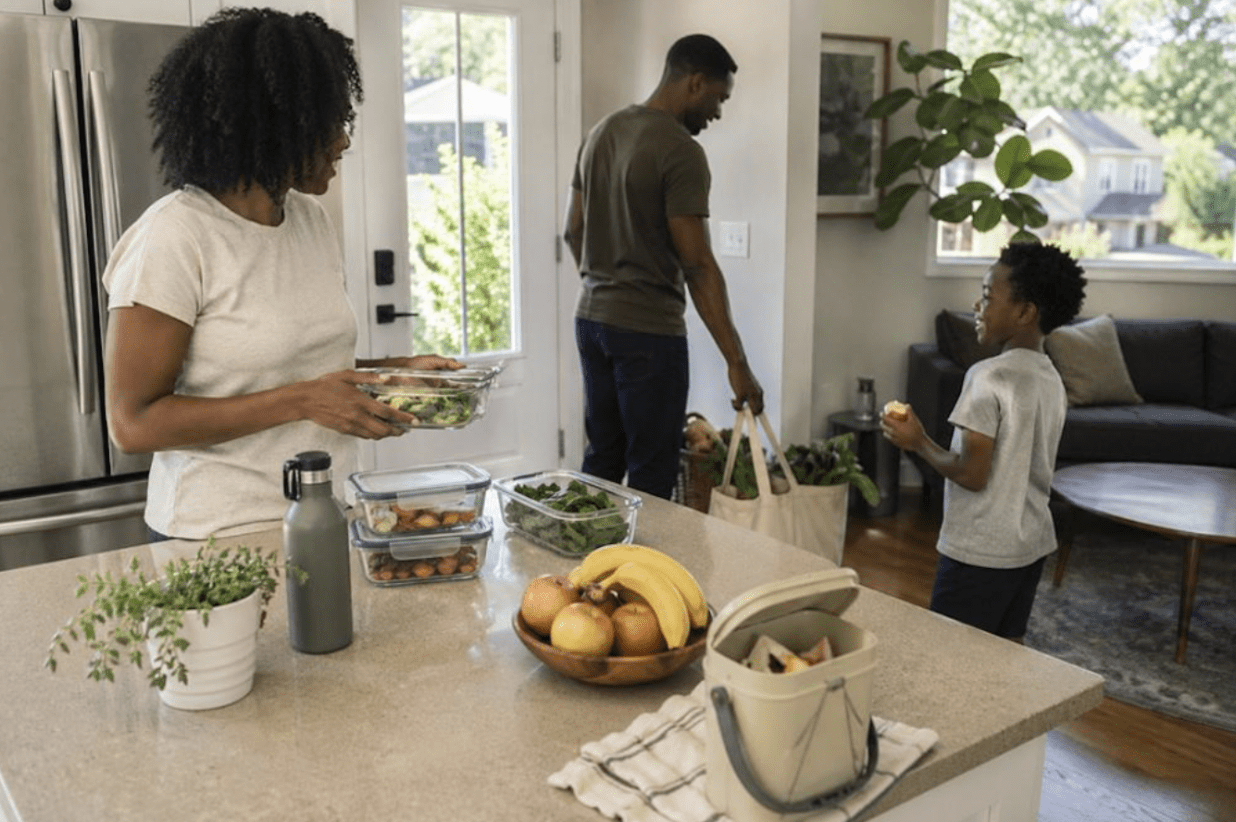
Sustainable swaps for families often sound good in theory but fall apart in practice. The idea of overhauling your lifestyle can feel exciting for a week, then quickly becomes unrealistic. What tends to work instead is something quieter. Small, repeatable changes that fit into how your household already runs. When sustainability aligns with convenience, it stops feeling like effort and starts becoming routine.
Sustainable Swaps for Families That Fit Real Life
The most effective sustainable swaps are the ones that remove friction rather than add to it. Instead of aiming for a perfect system, it helps to look at what you already do and adjust it slightly. This approach makes the transition feel natural instead of disruptive. When a change fits seamlessly into an existing routine, it becomes sustainable in the long term.
1. Reusable Bags That Actually Stay With You
Reusable bags only work if they are always within reach. Keeping a set in the car instead of by the door turns something easy to forget into something automatic. Once the friction is removed, the habit tends to stick without much effort.
2. Weekly Meal Planning That Uses What You Already Have
Food waste often comes from over-planning rather than under-planning. Mapping out five meals instead of seven and building in a “use what’s left” night each week can significantly reduce waste. Over time, this small shift changes how you shop, cook, and store food.
Sustainable Swaps for Families That Reduce Waste at Home
Waste tends to build quietly through everyday habits. Kitchens and cleaning routines are often the biggest contributors, but they are also the easiest places to create change. The goal is not to eliminate waste completely, but to reduce it in ways that feel manageable.
3. Concentrated and Refillable Cleaning Products
Switching to concentrated refills and reusable bottles reduces the number of plastic containers cycling through your home. It also simplifies storage and often lowers long-term costs. After a short adjustment period, the process becomes second nature.
4. A Simple Composting System That Works
Composting does not need to be complicated. A small sealed bin indoors and a basic outdoor system is enough to get started. Once balanced properly, it becomes a low-maintenance habit that reduces a significant portion of household waste.
Sustainable Swaps for Families That Save Money Over Time
Sustainability and cost savings often go hand in hand. Many low-waste habits reduce the need for constant replacement, which leads to financial benefits over time. The impact builds gradually but consistently.
5. Repairing Instead of Replacing
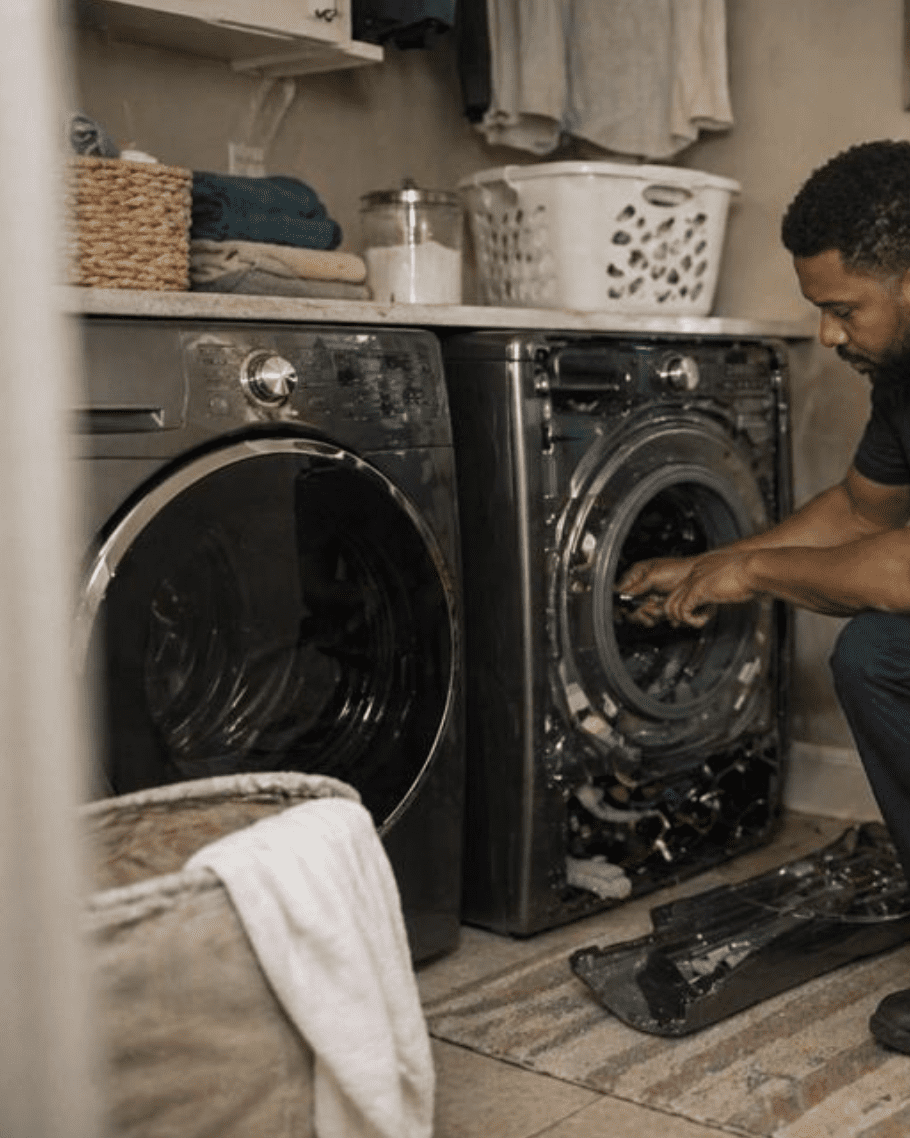
When something breaks, replacing it often feels like the easiest option. Taking a moment to explore repairs can shift that pattern entirely. Working with a provider that offers certified appliance repair in Atlanta can extend the life of appliances at a fraction of the cost of buying new.
This mindset tends to expand naturally. Items that once felt disposable begin to feel worth maintaining, which reduces both waste and spending over time.
Sustainable Swaps for Families That Make Sustainable Living Easier
Not every change needs to be significant to be effective. Some of the most lasting habits are the ones that simplify daily life rather than complicate it. Flexibility is what allows them to stick.
6. Line Drying When It Makes Sense
Line drying does not need to replace the dryer entirely to be effective. Using it when the weather allows reduces energy use and extends the life of clothing. Even partial adoption creates a noticeable impact over time.
7. Reusable Water Bottles That Become Routine
Building a habit around reusable bottles is less about the product and more about consistency. When each family member has their own and fills it before leaving the house, it reduces the need for single-use purchases throughout the day.
Sustainable Swaps for Families With Growing Kids
Families with children naturally cycle through more items, which makes sustainability feel more challenging. Adjusting how you approach these purchases can significantly reduce waste without limiting practicality.
8. Secondhand First for Everyday Items
Clothing, toys, and sports gear are often available in excellent condition secondhand. Starting there instead of buying new reduces waste and saves money. While it may take slightly more time, it creates a more intentional approach to consumption.
Involving kids in these decisions also helps reinforce the habit. When they understand the value behind the choice, they are more likely to participate and carry it forward.
Sustainable Swaps for Families: The Takeaway
Sustainable swaps for families are most effective when they are grounded in reality. Instead of aiming for a complete lifestyle transformation, it helps to focus on changes that fit your current routine. These small shifts create momentum without overwhelming the system.
When you approach sustainability this way, it becomes easier to maintain. You make better choices more often, without needing everything to be perfect. That balance is what allows these habits to last—and that is where the real impact happens.
