
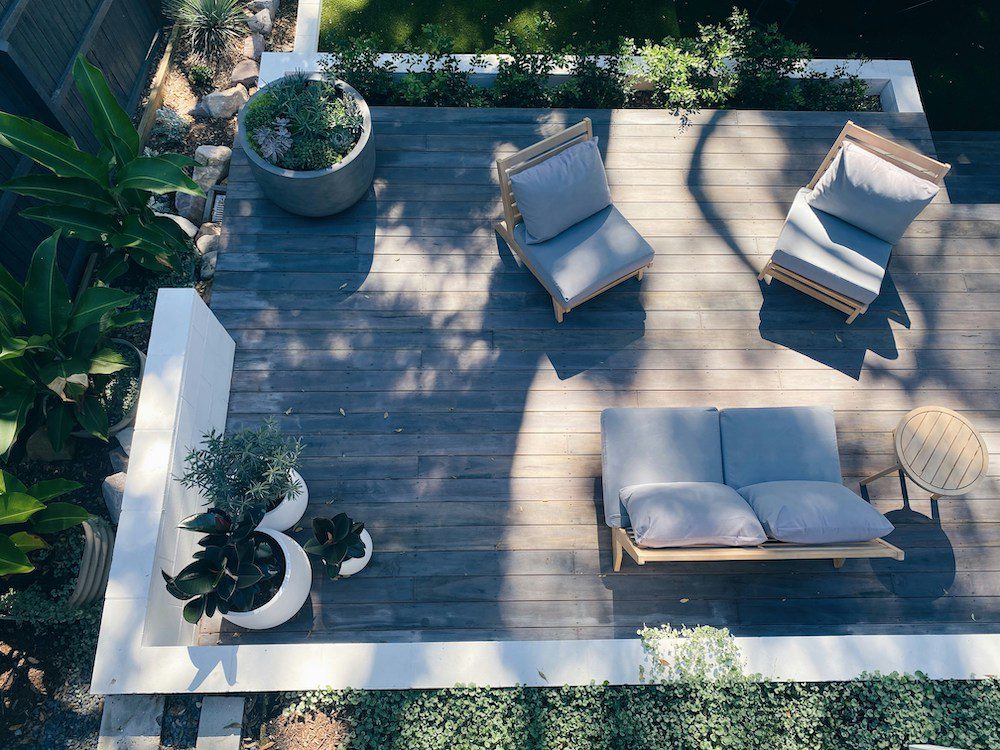
Eco-friendly decking materials are no longer a niche choice. They have become a practical, design-forward solution for homeowners who want outdoor spaces that last without constant upkeep. Instead of replacing boards every few years or relying on heavy chemical treatments, these materials are built to handle real-life conditions with minimal intervention. The result is a deck that feels intentional from day one and continues to perform over time. When you choose materials that balance durability with sustainability, you create a space that works harder and wastes less.
Eco-Friendly Decking Materials That Reduce Long-Term Waste
One of the biggest hidden issues with traditional wood decking is how quickly it degrades. Even when properly maintained, natural wood is vulnerable to moisture, sun exposure, and seasonal shifts. Pressure-treated wood splinters over time, and even the best-maintained boards develop cracks as seasons change. Composite materials avoid those problems entirely. Homeowners exploring composite decking in St. Louis often find that boards installed years ago still look close to new. Eco-friendly decking materials break that cycle by prioritizing longevity. Composite boards, in particular, are designed to resist the issues that shorten the lifespan of wood. Because they hold their shape and structure over time, they reduce the need for frequent repairs or full replacements. This shift from short-term fixes to long-term performance is what makes them a more sustainable choice in practice, not just in theory.
Why Composite Leads Among Eco-Friendly Decking Materials
Composite decking stands out because it combines recycled wood fibers with durable polymers. This blend creates a surface that mimics the look of natural wood while avoiding its most common weaknesses. Instead of absorbing moisture or splitting under pressure, composite boards remain stable through changing weather conditions.
The long-term performance is where the material truly proves its value. Homeowners often find that composite decks maintain their appearance for years with very little change. The color remains consistent, the surface stays smooth, and the structure holds firm even in high-traffic areas. Compared to wood, which demands constant attention, composite offers a level of reliability that feels almost effortless.
Low-Maintenance Living With Eco-Friendly Decking Materials
Maintenance is often overlooked when choosing building materials, but it plays a major role in sustainability. Traditional wood decks require regular sanding, staining, and sealing to stay in good condition. Each of these steps involves time, cost, and additional products that add to the overall environmental impact.
Eco-friendly decking materials simplify this process. Composite surfaces typically require nothing more than occasional cleaning with soap and water. Many options also resist mold and mildew, reducing the need for harsh chemical treatments. Over time, this lighter maintenance approach translates into fewer resources used and less effort required to keep the space looking its best.
Eco-Friendly Decking Materials and Real Cost Over Time
The initial price of composite decking can be higher than traditional wood, and that can be a sticking point at first glance. However, focusing only on the upfront cost misses the bigger picture. When you factor in the ongoing expenses tied to wood—stains, sealants, repairs, and replacement boards—the long-term cost begins to shift.
Eco-friendly decking materials often deliver savings through what you no longer have to do. There are fewer maintenance products to purchase and fewer repairs to manage. Over a ten-year period, these avoided costs can make a noticeable difference. Instead of paying repeatedly to maintain a deck, you invest once in a material designed to last.
Weather Resistance and Structural Stability
Outdoor materials need to handle constant environmental stress. Wood responds to moisture by expanding and contracting, which eventually leads to gaps, cracks, and uneven surfaces. These changes not only affect the appearance of the deck but can also create safety concerns in high-use areas.
Composite decking is engineered to remain stable despite temperature shifts and moisture exposure. It does not swell or shrink in the same way, which helps maintain a consistent surface over time. Many products also include UV protection, preventing the fading and discoloration that often occurs with sun-exposed wood. This stability keeps the deck looking clean and functioning properly without constant adjustments.
Eco-Friendly Decking Materials With Design Flexibility
Sustainability no longer means sacrificing style. Today’s eco-friendly decking materials come in a wide range of colors, textures, and finishes that allow for a more intentional design approach. Whether the goal is a warm, natural look or a more modern aesthetic, there are options that support both.
Composite decking, in particular, has evolved significantly in this area. Wood-grain textures, varied tones, and coordinated trim pieces make it possible to create a cohesive outdoor space. Hidden fastener systems also improve the overall appearance by eliminating visible screws, resulting in a cleaner, more refined finish. The end result feels designed rather than purely functional.
A Smarter Approach to Outdoor Living
Choosing eco-friendly decking materials is ultimately about thinking long-term. It is less about following trends and more about creating a space that continues to perform without constant intervention. When materials are selected with durability, maintenance, and environmental impact in mind, the entire project becomes more efficient.
Composite decking fits naturally into this mindset. It reduces waste, minimizes upkeep, and delivers a consistent look over time. Instead of cycling through repairs and replacements, you create a foundation that supports how you actually live. That shift from temporary to lasting is what defines a truly sustainable outdoor space.
