
Choosing materials for upcycling is about more than deciding what looks good. The right combination of wood, fabric, leather, metal, paint, and hardware can turn tired furniture into something that feels intentional and worth keeping. Take the dresser at the back of the charity shop with the water ring on top and the awful handles. Its bones may be perfectly fine: solid frame, decent proportions, drawers that still run. What’s putting everyone off is entirely surface, which is good news because the surface is the part you can change.
The difference between an upcycle that looks considered and one that looks like a weekend experiment often comes down to how those surfaces are handled. Before stripping away decades of character, it helps to understand what each material can contribute and which elements are worth preserving.
Texture Makes Reused Materials Feel Valuable
There’s an instinct with old furniture to erase everything — sand it all back, paint it all over, and make it look new. Sometimes that’s right. Often, it throws away the very thing that made the piece worth saving.
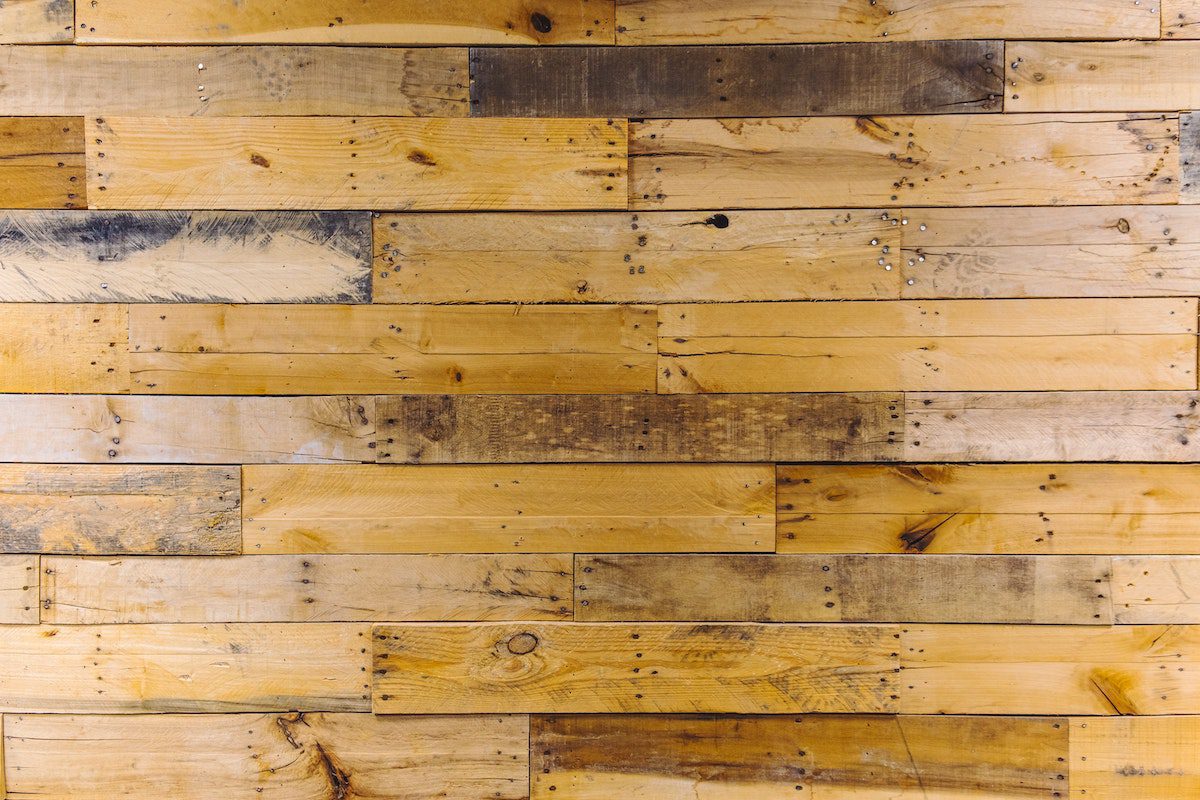
Old surfaces carry information. The grain in a piece of oak that’s been in a house for 50 years reads differently from new timber. Patina on brass, the softened edges of a much-used tabletop, and paint that’s worn through to something else underneath all tell you that an object has lived. Those details can be difficult to recreate convincingly.
So, the first decision on any project isn’t necessarily what to do to the piece. It’s what to leave alone. A deep gouge across a tabletop may be damage, while a network of fine scratches can add character. A cabinet’s chipped original paint might be the whole point, or it might be hiding grain that deserves to be seen. Getting that call right shapes everything that follows.
Plan the Finish Before You Change Anything
The temptation is to start sanding immediately. Instead, spend some time thinking through the finished piece because many upcycling regrets come from irreversible decisions made too early.
Consider your options first. Stain deepens the color while keeping the grain visible. Paint covers the original surface and lets color lead. Oil and wax sit somewhere between, feeding the wood while leaving it looking relatively natural. New fabric or leather can change a chair entirely, while sometimes replacing the hardware is enough.
These approaches can also be combined. A painted body might work beautifully with a stained top, for example, while a stripped chair frame can be paired with a newly upholstered seat.
Test stains, paints, and finishes on the underside or back before committing. Stain can behave differently on old wood than the tin suggests. Also consider where the piece will ultimately live. A finish that looks perfect in a bright workshop may read completely differently in a dim hallway.
For makers, small furniture brands, and product teams planning a refinished or reclaimed piece, 3d modeling and texturing services can help preview surface details such as wood grain, fabric weave, metal sheen, leather texture, paint finish, and material contrast before the final product is photographed or produced. For a one-off weekend project, a mood board and a few samples can serve a similar purpose. The principle is the same: see how the combination works before you commit to it.
Choosing Materials for Upcycling With Reclaimed Wood
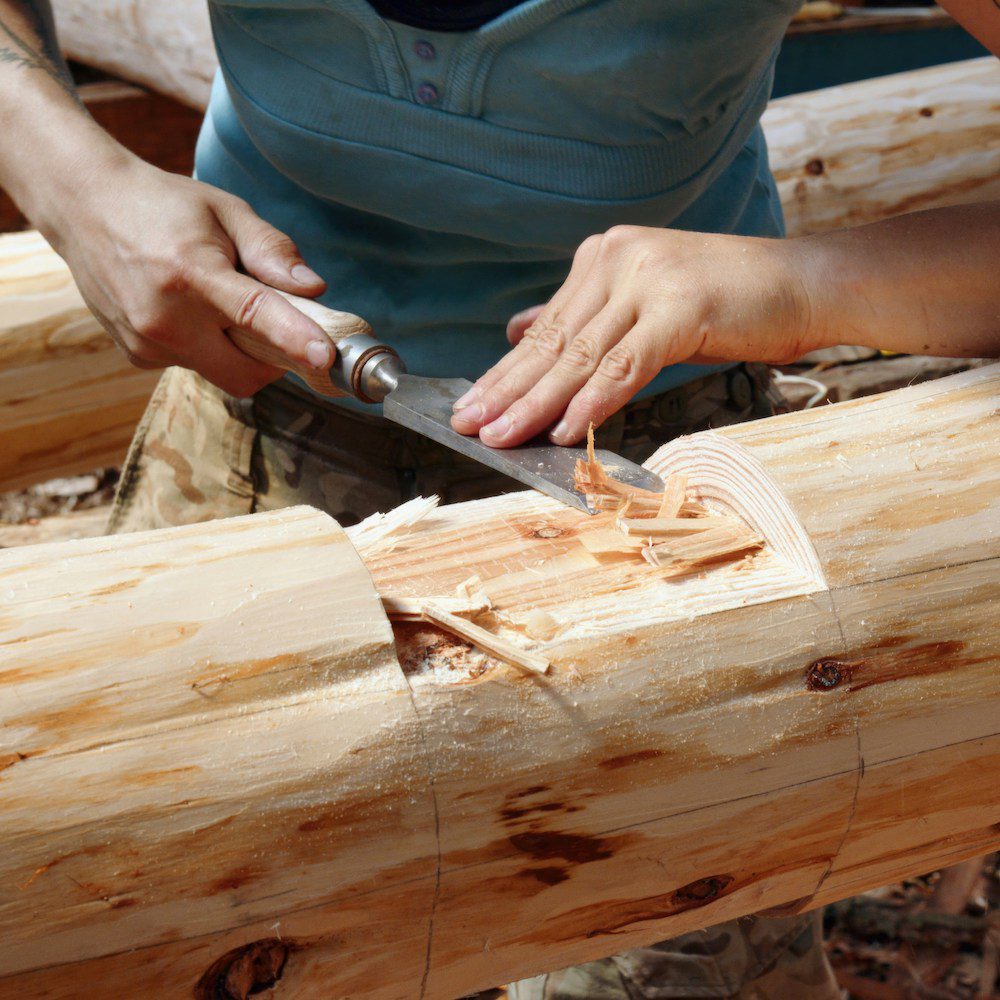
Wood is where many furniture upcycling projects begin, and it often rewards a light touch.
Pay attention to grain direction, especially when sanding. Going across the grain can leave scratches that remain visible beneath a clear finish. Think about how far you need to sand too. Taking a tabletop back to bare timber gives you a blank slate, while stopping short can leave some of its history intact. Neither approach is inherently wrong, but the choice should be deliberate.
The finish level also changes the personality of the material. Matte finishes can feel natural and understated, allowing the grain to do the talking. Satin or gloss finishes feel more polished and reflect more light. Meanwhile, a hard-wearing top coat is important for surfaces that will see regular use.
One mistake worth avoiding is polishing every last imperfection out of an older piece. Go too far and you can end up with something that looks vaguely new without achieving the crispness of a factory finish. In the process, you may lose the character that made the reclaimed material interesting.
Hardware Can Change the Whole Piece
If you only change one thing on a piece of furniture, consider replacing the handles. It’s one of the fastest and most effective ways to update old furniture.

Drawer pulls and knobs can strongly influence the era and style of a piece. Swap chunky 1980s brass for slim matte black hardware and a dresser can suddenly feel much more contemporary. Go the other way by replacing simple modern handles with aged brass or ceramic, and the same piece can take on a more traditional personality.
Hinges, brackets, and legs can do similar work. Adding hairpin or black metal legs beneath an old cabinet, for example, can completely change its proportions and purpose.
Consistency helps make the finished result feel deliberate. Brass with brass or black with black is an easy starting point. Mixed metals can work beautifully too, but the combination should look intentional rather than like an assortment of whatever happened to be available.
Choosing Materials for Upcycling: Mix Materials Carefully
Contrast is where upcycled pieces can become particularly interesting, provided the combination feels intentional.
Reclaimed wood with black metal is a reliable pairing. So is a painted cabinet with brass hardware, an old chair frame with fresh fabric, or leather pulls against painted drawers. A vintage tabletop can be given a completely different identity with modern legs, while salvaged shelves can be softened with ceramics or textiles.
What makes these combinations work is restraint. Two materials in genuine conversation are often more effective than five competing for attention.
When a piece combines reclaimed wood, painted sections, several metal finishes, and patterned fabric, the eye can struggle to find the central idea. Pick a lead material, choose one or two elements to contrast with it, and know when to stop.
Use Fabric and Leather to Soften Hard Surfaces
Textiles are an underused tool when choosing materials for upcycling, and they can add a tactile quality that wood and metal alone cannot provide.
Chair seats and bench cushions are obvious places to start. Fresh upholstery can transform an old piece for relatively little money. However, textiles can also be used in less expected ways.
Drawer liners made from fabric or decorative paper add interest every time the drawer opens. Leather straps can become handles or hanging loops. Old textiles can be repurposed into lampshades, wall panels, or upholstered inserts. Visible stitching can also add a handmade quality that’s worth highlighting rather than hiding.
Choose fabrics according to how the finished piece will actually be used. A beautiful linen may look perfect on a hallway bench, but it may not be the best choice if that bench regularly encounters wet coats, muddy shoes, or pets.
Avoid Making Pieces Look Unfinished
The line between “characterful” and “unfinished” is thinner than it seems. A few common mistakes can push an otherwise promising project onto the wrong side of it.
Structural problems should always be addressed before cosmetic ones. A wobbly leg or split joint reads as neglect rather than patina, regardless of how attractive the finish looks.
Preparation also matters. Paint applied without properly cleaning and preparing the surface may chip within months. Too many materials can make the design feel confused, while hardware that clashes with the finish can undermine an otherwise cohesive piece.
Think carefully before burying original grain beneath paint too. Sometimes paint is exactly what a piece needs. Other times, the natural material is its strongest feature.
A useful final test is to look at the piece from every angle. Does the back look as considered as the front? Anything visible in the room deserves to be properly finished.
Present an Upcycled Piece Online
If you’re selling or sharing what you make, your photography should show what the work actually involved.
Get close to the texture. Photograph the grain, paint finish, fabric, leather, and hardware because these details often communicate the value of an upcycled piece better than a wide shot alone.
Photograph the finished item in a room too, so people can understand its scale and how the different materials interact in a real setting. Include a before image when possible because the transformation is an important part of the story.
Be clear about which elements were reused and which are new. Finally, resist excessive photo editing. The small imperfections you’re tempted to remove may be exactly what gives an upcycled piece its character, and they’ll be visible in person anyway.
A Checklist Before You Finish Choosing Materials for Upcycling
- Is the piece structurally sound before you work on the surface?
- Which original materials and surfaces are worth keeping?
- Does the existing grain or texture add something?
- Will the finish suit the room where the piece will live?
- Is the hardware consistent in tone and style?
- Are fabric or leather elements durable enough for everyday use?
- Do the remaining marks look intentional rather than neglected?
- Does the piece look finished from every visible angle?
- Have you photographed the material details if you’re sharing or selling it online?
Final Thoughts on Choosing Materials for Upcycling
The best upcycles don’t necessarily hide what a piece used to be. Instead, they preserve enough of its material history that you can still read it while making the finish, hardware, textiles, and other additions feel deliberately chosen.
Ultimately, choosing materials for upcycling means deciding what deserves to stay as much as what needs to change. A refinished table or reupholstered chair works because someone looked carefully at a worn surface and recognized which parts were worth preserving. That decision, more than any single technique, can turn tired furniture into something you’d genuinely want to keep in your home.
