
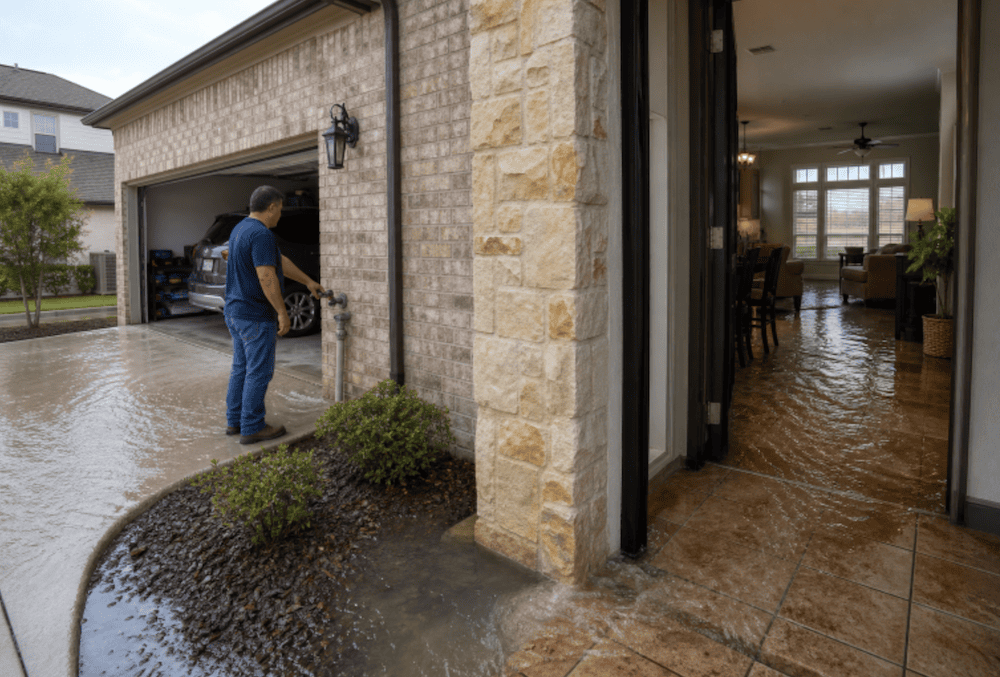
Following the right emergency plumbing steps in the first few minutes can help prevent a leak, burst pipe, or overflow from causing serious damage. Water can quickly spread into flooring, cabinets, drywall, insulation, and personal belongings, so knowing what to do before an emergency happens can make the situation easier to control.
You do not need advanced plumbing experience to make a safer first response. The goal is simple: identify immediate dangers, stop the water when it is safe, limit the spread, and get qualified help when necessary. Keep this action plan handy so you have a clear sequence to follow when stress is high.
Emergency Plumbing Steps: Key Takeaways
- Protect people first, especially around electricity, gas odors, sewage, or damaged ceilings.
- Stop the water at the nearest safe shutoff valve, or use the main water shutoff for major leaks.
- Contain clean water, move valuables, and avoid risky repairs that could worsen the damage.
- Call a qualified plumbing professional promptly when water cannot be controlled, sewage enters the home, or a water heater is leaking heavily.
Minutes 0 to 2: Check for Immediate Safety Risks
Before reaching for towels or trying to save furniture, look for hazards. Water around outlets, extension cords, appliances, electrical panels, or exposed wiring can create a serious shock risk. Do not walk through standing water if you suspect electrical equipment is energized.
Keep children and pets away from the affected area. Leave if you smell gas, see smoke, notice fire, or hear unusual electrical sounds. You should also stay clear of sagging ceilings, cracked walls, or areas where water is moving quickly.
Do not touch switches, plugs, or appliances while standing in water. Personal safety matters more than protecting a rug, cabinet, or appliance.
For broader household readiness, Ready.gov’s emergency planning guidance can help families prepare emergency contacts, supplies, and utility information before a crisis occurs.
Emergency Plumbing Steps for Shutting Off Water
If the problem is limited to one fixture, use its local shutoff valve first. Toilet shutoffs are usually behind or beside the toilet near the floor. Sink valves are commonly inside the cabinet below the basin. Washing machines often have valves behind the appliance, while water heaters typically have a cold-water supply valve above the unit.
For a burst pipe, major leak, or water coming from an unknown location, you may need to use the main water shutoff. It is often located near the water meter, in a garage, on an exterior wall, or where the service line enters the home.
Turn the appropriate valve only if it moves normally. Do not force a stuck, corroded, or difficult-to-reach valve because breaking it can make the situation worse.
Minutes 5 to 8: Reduce Pressure and Limit the Spread
After shutting off the water, some water may remain inside the plumbing lines. If there is no electrical danger, opening a cold-water faucet at a lower level of the home may help relieve pressure and drain some of the remaining water.
Use buckets, towels, and washable floor mats to contain clean water. Move electronics, boxes, rugs, furniture, and valuables away from the wet area whenever it is safe to do so.
Place containers under slow drips where practical. However, never use a standard vacuum, power tool, or extension cord near standing water.
Avoid removing ceiling material or opening walls without knowing what pipes, wiring, or structural components are behind them.
Emergency Plumbing Steps for a Leaking Water Heater
A leaking water heater can release a significant amount of water and may involve hot surfaces, steam, fuel, or electrical connections.
If the cold-water supply valve is easy and safe to access, shut it off. For an electric unit, turn off the power at the breaker only if you can do so without exposing yourself to water or electrical hazards. For a gas unit, follow the manufacturer’s instructions and avoid adjusting unfamiliar controls.
Keep clear of hot water and steam. If the tank is damaged, leaking heavily, or located in an unsafe area, wait for a professional rather than attempting a repair yourself.
Minutes 10 to 12: Respond to the Specific Problem
Different plumbing failures require slightly different responses. Once immediate safety risks are under control, identify the likely source of the problem and take only the steps you can perform safely.
Burst or Broken Pipe
Turn off the main water supply if a nearby valve does not stop the flow. Keep away from bulging ceilings and wet walls, which may be weakened or conceal electrical wiring.
A temporary bucket or towel can help contain water, but do not rely on tape or another improvised repair as a permanent solution.
Overflowing Toilet
Stop flushing immediately. Close the toilet’s shutoff valve near the base. If you know how to do so safely, removing the tank lid and lifting the float may also stop additional filling.
Keep wastewater away from people, pets, and household surfaces.
Sewer Backup
Stop using sinks, showers, dishwashers, and washing machines. Wastewater can contain contaminants, so avoid direct contact and do not use chemical drain cleaners in a backed-up system.
Multiple drains backing up or gurgling can indicate a larger problem with a drain or sewer line.
Emergency Plumbing Steps: When to Call for Help
Knowing when the problem has moved beyond a safe DIY response is an important part of handling a plumbing emergency.
Call for immediate professional help when there is active flooding, a burst pipe, sewage inside the home, water near electricity, a major water heater leak, or a leak that will not stop.
Several drains backing up, a sudden loss of water, loud pipe noises, recurring toilet overflows, or a ceiling stain that is getting larger also warrant prompt attention.
Homeowners in South Texas who need emergency plumbers San Antonio can look to Beyer Plumbing Co. The locally owned plumbing company serves South Texas and surrounding communities, with emergency services covering issues such as burst pipes, toilet problems, drain backups, water heater failures, leak detection, and pipe repair.
Less urgent issues, such as a slow faucet drip, one mildly slow drain, or a minor fixture leak with no active damage, can typically be scheduled for routine service.
When contacting a plumber, describe the source of the water, whether it appears to be clean water or wastewater, the rooms affected, which shutoff valve you used, and any electrical or gas concerns. You can also ask about response times, service charges, repair options, and what to expect when the plumber arrives.
Document Damage and Avoid Common Mistakes
When it is safe, take photos and short videos before major cleanup begins. Record the date, time, water source, affected areas, and the steps you took.
Save invoices, estimates, and receipts in case you need to contact your homeowners’ insurance provider.
Avoid common mistakes that can make plumbing damage worse. Do not keep flushing an overflowing toilet, force shutoff valves, pour harsh chemicals into a serious backup, or assume a leak is completely resolved simply because water has stopped flowing.
Hidden moisture can continue damaging materials after visible water disappears, particularly inside walls, flooring, cabinets, and insulation.
Prepare Your Emergency Plumbing Steps in Advance
Find and label the main water shutoff now rather than searching for it during an active leak. Test accessible fixture valves periodically, and keep towels, a bucket, flashlight, gloves, and a plumber’s contact information somewhere easy to reach.
Regularly inspect exposed pipes, washing machine hoses, supply lines, and water heaters for corrosion, cracks, moisture, or other signs of deterioration.
A calm response plan cannot prevent every plumbing failure, but it can reduce the damage and confusion that follow. Protect people first, stop the water when it is safe, limit the spread, document the problem, and leave complicated repairs to qualified professionals.
Final Thoughts
Knowing the right emergency plumbing steps can make an unexpected leak, overflow, or burst pipe much less disruptive. Prioritize safety first, shut off the water when possible, contain the damage, and contact a qualified plumbing professional when the situation requires it.
Preparing in advance by locating shutoff valves, keeping basic emergency supplies available, and inspecting your plumbing system regularly can also make responding to an unexpected problem easier. With a clear action plan, those critical first 15 minutes can be spent protecting both your household and your home.
