
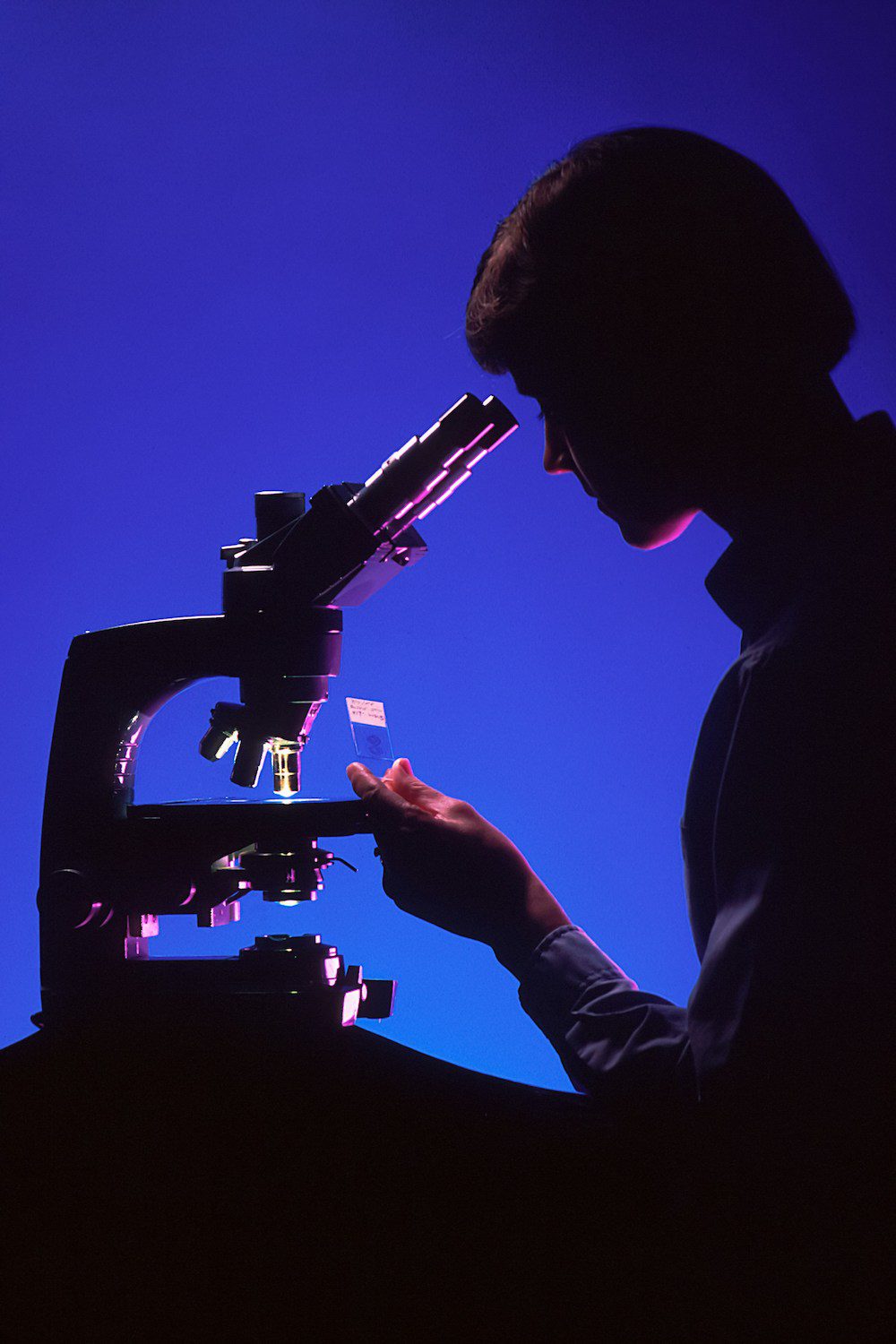
Why chromatography matters becomes much clearer once you understand what it actually does. Chromatography is a testing method scientists use to separate the parts of a mixture so they can identify what is in it. In simple terms, it helps researchers figure out what substances are present, how much of each one is there, and whether anything harmful has made its way in.
That may sound like something that only belongs in a lab, but its impact reaches much further. Chromatography helps test drinking water, check food for contaminants, verify the quality of medicine, monitor pollution in soil and air, and support more accurate manufacturing. In a world that increasingly values safer systems and smarter use of resources, that kind of precision plays an important role.
What Chromatography Is and Why It Still Matters
Chromatography is a method scientists use to separate the different parts of a mixture so they can identify what is in it more clearly. Instead of looking at a sample as one blended whole, chromatography helps break it apart into individual components.
A simple way to picture it is to imagine a race. Different compounds all start together, but they do not move at the same speed. Some move quickly, while others lag behind. As they spread apart, scientists can begin to see what was actually in the mixture in the first place.
That matters because many real-world samples are complex. Drinking water, packaged food, medicine, soil, and air can all contain many substances at once. Chromatography helps scientists separate those substances, detect unwanted contaminants, and measure specific compounds with much more accuracy.
Why Chromatography Matters for Drinking Water
Clean drinking water depends on good testing. Water can contain naturally occurring minerals, but it can also carry pesticide residues, industrial chemicals, treatment byproducts, or traces of pollutants that are difficult to detect without sensitive tools.
Chromatography helps water analysts separate and identify these compounds. That makes it easier to confirm that water meets safety standards and to catch problems before they grow into larger public health concerns. It also helps researchers track changes in water quality over time, which supports better planning and more responsible resource management.
From a sustainability perspective, this kind of testing matters because healthy water systems support both people and ecosystems. Better monitoring can also lead to smarter treatment methods and less waste in the long run.
Food and Medicine Rely on Better Testing
Food and medicine both require a high level of trust. People want to know that ingredients match the label, that products are safe to consume, and that harmful contaminants are not slipping through the cracks.
Chromatography helps make that possible. In food testing, it can help identify additives, preservatives, pesticide residues, and contaminants. In medicine, it helps researchers and manufacturers check active ingredients, measure purity, and detect unwanted byproducts or impurities.
This kind of accuracy supports sustainability in a few ways. First, it protects public health, which matters on its own. Second, it can reduce waste by catching quality issues earlier in the process. When manufacturers know exactly what is in a batch, they can make better decisions about production, safety, and consistency instead of relying on rough assumptions.
Why Chromatography Matters in Soil and Air Monitoring
Soil and air both reveal a great deal about environmental health. If pollutants build up in either one, the effects can spread through crops, water systems, wildlife habitats, and surrounding communities.
Chromatography helps scientists detect trace compounds in environmental samples, even when those compounds appear in very small amounts. That sensitivity is important because it allows researchers to identify pollutants, trace where they came from, and measure how serious the problem may be.
In soil, this can help reveal contamination from industrial runoff, chemical spills, or old waste sites. In air, it can help detect volatile compounds and other pollutants that affect both environmental and human health. The better this data is, the easier it becomes to target cleanup efforts and improve environmental policies.
That is one of the clearest examples of why chromatography matters for sustainability. You cannot protect what you cannot properly measure.
Precision Helps Reduce Waste
One of the less obvious sustainability benefits of chromatography is that it helps reduce waste through better decision-making. When testing is more precise, companies and researchers can catch contamination, errors, or inconsistencies earlier.
That can mean fewer failed production batches, fewer unnecessary materials used, and less disposal of products that do not meet safety or quality standards. It can also support more efficient research and development by helping teams understand exactly what is working and what is not.
In other words, chromatography does not just help identify problems. It can also help prevent waste before it starts. That makes it valuable not only for safety and compliance, but also for building more responsible systems.
Why Chromatography Matters for a More Sustainable Future
As industries and researchers look for better ways to protect health and reduce environmental harm, the need for accurate testing keeps growing. Chromatography supports that shift by giving scientists a clearer picture of what is happening inside products, materials, and ecosystems.
It helps test the water people drink, the food they eat, the medicine they rely on, and the soil and air that shape environmental health. It also supports better manufacturing, better monitoring, and better use of resources.
That is ultimately why chromatography matters. It turns hidden information into usable knowledge. When people have better information, they can make safer, cleaner, and more sustainable choices.
Final Thoughts
Chromatography may sound technical, but its real-world value is easy to understand. It helps separate complex mixtures so scientists can detect contaminants, verify ingredients, and monitor environmental health with much more accuracy.
For anyone thinking about sustainability, that matters. Cleaner water, safer food, better medicine, and stronger environmental oversight all depend on knowing what is really there. Chromatography helps provide that clarity. In a world that needs smarter systems and less waste, it remains one of the quiet tools doing a great deal of important work.
