
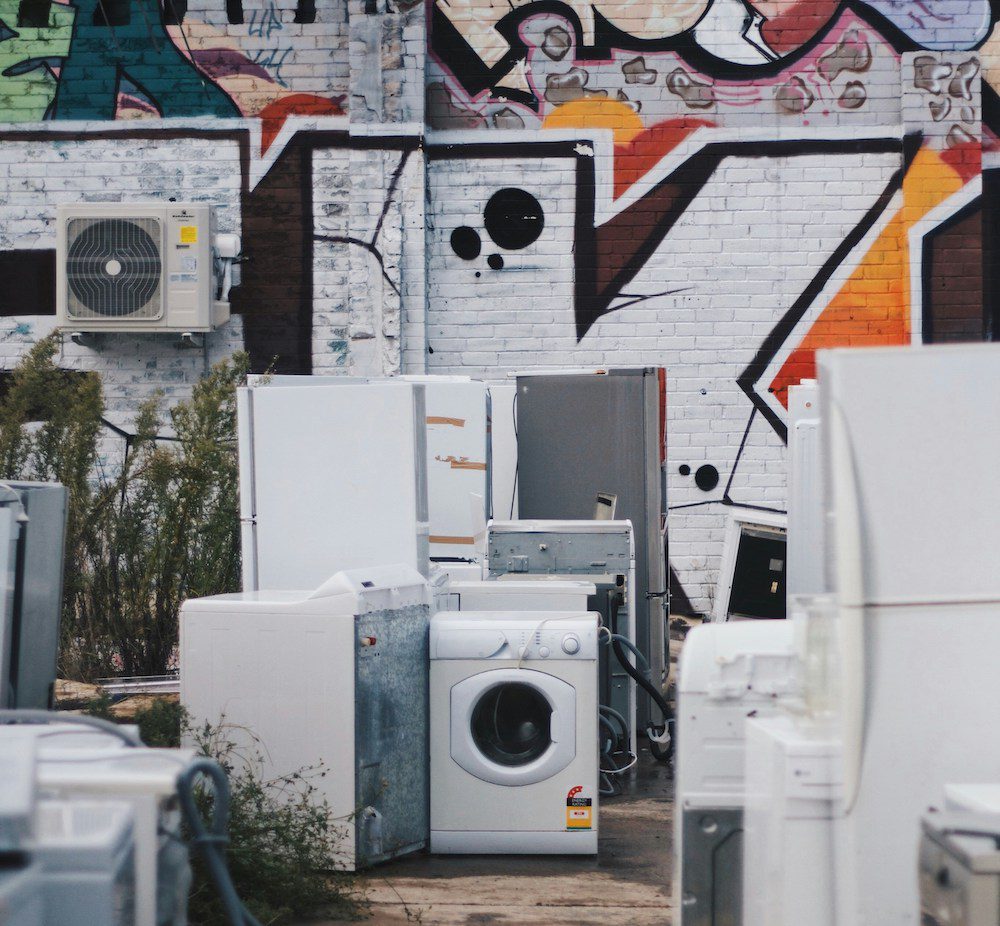
Bought a new appliance and wondering what to do with old appliances? It’s something most people don’t think about until the old unit is already out of sight. But these appliances don’t just disappear—they enter a system that either recovers their value or wastes it entirely.
If you’re figuring out what to do with old appliances, the goal is to keep them in circulation for as long as possible. Whether through reuse, recycling, or upcycling, each option helps reduce waste and make better use of the materials already in play.
Why It Matters What You Do With Old Appliances
Appliances are made from a mix of materials like steel, aluminum, copper wiring, plastics, rubber, and electronic components. These materials are valuable and can be recovered and reused when handled properly.
When appliances end up in landfill, those resources are lost. Over time, certain components can also release substances that negatively impact soil and water. Making intentional decisions about what to do with old appliances helps reduce this impact and supports a more sustainable system.
Old Appliances After They Leave Your Home
Once an appliance leaves your home, it typically goes through a structured process. It may be collected by a retailer, a local council program, or a recycling service, then transported to a facility for sorting and inspection.
At that point, workers assess whether the appliance can be reused. If it is still in working condition, it may be repaired, refurbished, or sold as a second-hand unit. If not, it moves into the recycling stream where materials are recovered and processed.
What to Do With Old Appliances
If an appliance still works or can be repaired, reuse is always the best option. Extending its life reduces the need for new manufacturing and keeps useful materials in circulation longer.
You can donate working appliances to charities, community groups, or families in need. Selling them second-hand is another easy option, especially for people setting up rentals or moving into a new space. Even small repairs can make an appliance viable again and prevent unnecessary waste. Services that specialise in white goods removal and recycling help guarantee that appliances are collected, transported, and sent to the right facilities.
Appliances That Cannot Be Repaired
When an appliance is no longer functional, recycling becomes the next best step. These units are dismantled to recover valuable components like motors, compressors, wiring, and electronic boards.
Materials such as steel, copper, and aluminum are separated and sent to processing facilities, where they are reused in new products. Some appliances, like fridges and air conditioners, require additional steps to safely remove refrigerants before recycling can begin.
How Recycling Appliances Actually Works
Once hazardous components are removed, appliances are broken down into smaller pieces using industrial shredding systems. These materials then pass through sorting processes that separate metals and other components.
For example, magnets are used to extract steel, while other systems isolate aluminum and copper. This process turns a single appliance into reusable raw materials, reducing the need for new resource extraction and supporting a more circular manufacturing cycle. This sustainable approach reduces the demand for new resources to be made.
Creative Ideas
If you want to go beyond recycling, upcycling opens up more creative possibilities. Instead of breaking appliances down, you can transform parts into something functional or decorative. Through upcycling, many parts from appliances can be turned into something completely new.
Washing machine drums can be turned into fire pits, planters, or light fixtures thanks to their durable structure. Old fridges can be repurposed into outdoor coolers, smokers, or storage cabinets. Even smaller components like racks and panels can be reused for shelving, garden builds, or DIY furniture projects.
Final Thoughts
Knowing what to do with old appliances comes down to making a few intentional choices. Whether you reuse, recycle, or upcycle, each option helps extend the life of valuable materials and reduce waste.
The next time you upgrade, take a moment to think beyond the replacement. With the right approach, your old appliance can still serve a purpose—just in a different form.
