
Upcycling your bike starts with how you use what you already own, not what you buy next. Most setups come together without much thought. You add a bag for convenience, clip on a light, and keep moving. Over time, that creates a system that works, but does not feel intentional. Small inefficiencies build up. Weight sits unevenly, items shift mid-ride, and what should feel smooth starts to feel slightly off.
When you step back and actually assess your setup, the issues become obvious. In most cases, the problem is not a lack of gear, it is how that gear functions together. A bag might sit too high, a strap might not hold properly, or items may compete for space. Once you start noticing these details, you realize how much room there is to improve without replacing anything.
This is where the upcycling mindset becomes practical. Instead of defaulting to upgrades, you refine what already exists. That shift creates a setup that feels more intentional, more efficient, and better aligned with how you actually ride.
How Location Can Shape The Riding Experience
Cycling conditions can vary more than people expect, even when your habits stay consistent. Traffic patterns, infrastructure, and driver behavior all influence how predictable or stressful a ride feels. What works smoothly in one place can feel completely different somewhere else.
In areas with a mix of suburban roads and dense urban corridors, riding often requires sharper awareness and faster decision-making. When cyclists share the road closely with vehicle traffic, understanding what support looks like after an incident becomes part of that awareness. In some cases, riders may need to consider options like a Skokie lawyer for bicycle crash victims if an accident leads to injuries or complications that extend beyond the ride itself.
Elsewhere, the experience can shift significantly. Regions with more established cycling infrastructure, such as dedicated bike lanes and commuter routes, tend to feel more predictable. In more car-dependent areas, riders often rely more heavily on visibility and defensive riding to stay safe.
Your setup and routines can travel with you, but the environment does not. Staying aware of those differences allows you to adjust your approach without overcomplicating the ride.
Rethinking Storage And Carrying Systems
Storage is one of the biggest sources of friction in everyday cycling, and it often goes unchecked. Backpacks and loosely placed bags move with every turn, pulling your balance off in subtle ways. You might not register it immediately, but over time it makes the ride feel less controlled and more tiring than it should.
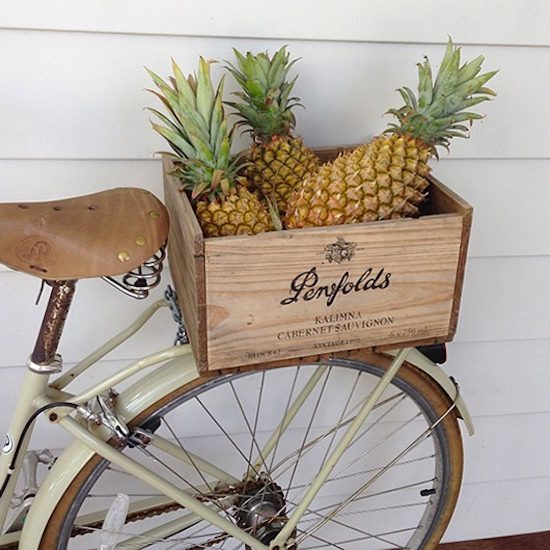
A few simple adjustments can change that completely. You can clip a tote securely to a rack using carabiners or straps from an old bag, which prevents it from swinging. You can line a worn basket with fabric from old clothing to keep smaller items contained while also giving it a more finished, intentional look. Even small choices, like placing heavier items lower and closer to the center of the bike, make a noticeable difference in how stable everything feels.
These changes are not dramatic, but they remove constant micro-adjustments during your ride. The result is a system that feels quieter, more grounded, and easier to trust.

Upcycling Your Bike With Small Functional Additions
Once your base setup feels stable, small functional additions can take it further. This is where upcycling becomes both practical and creative, because you start to see everyday materials as tools rather than waste. Items that no longer serve their original purpose often work perfectly in a new context.
Old belts can be cut and repurposed into durable straps that secure bags or loose items. Worn denim can protect areas of the frame that experience friction or be shaped into simple padding where your body meets the bike. Even leftover fabric can be rolled, stitched, and used to soften contact points like handlebars, especially on longer rides.
You can also pull useful components from items you would normally discard. Backpack straps, buckles, and elastic bands can be reused to create fastening systems that feel far more tailored to your setup. These additions may look simple, but they tend to perform better because they are built around your actual needs rather than a generic design.
Improving Visibility With What You Already Own
Visibility is one of the most important upgrades you can make, and it often requires far less effort than people expect. Many riders assume they need specialized gear, but in reality, the materials needed to improve visibility are already part of what they own.
Reflective elements are often hidden in plain sight. Old running shoes, jackets, and bags frequently include reflective strips that can be removed and reused. When you place these elements on moving parts of your body, such as ankles or sleeves, they become significantly more effective because motion naturally draws attention.
You can also create visibility through contrast. Layering a lighter piece under a darker jacket or adding a light fabric element to your outfit helps define your shape in low light. Small upcycled fabric patches can add subtle variation that makes movement easier to detect without changing your overall style.
Creating Stability Through Better Securing And Positioning
Stability depends on how well everything stays in place. Loose items create distraction and force you to constantly adjust while riding. That pulls your attention away from the road and into your setup, which is exactly where you do not want it.
Upcycling offers simple, effective solutions. Old inner tubes can be cut into strong, flexible bands that grip items tightly without slipping. Velcro from worn gear can be reused to create adjustable fastening points that adapt to different loads. Even basic materials like cord or fabric strips can secure items in a way that feels reliable and intentional.
Positioning matters just as much as securing. When you place items where they support balance and avoid interference with movement, the bike feels more unified. Instead of managing your setup, you move with it.
Upcycling Your Bike Means Building Awareness Into Your Routine
Upcycling your bike changes more than your setup, it changes how you ride. When you take the time to refine each element, you become more aware of how those elements interact. You start to notice how weight shifts, how visibility changes in different conditions, and how small adjustments affect your control.
That awareness builds naturally through repetition. Each ride gives you feedback, and each adjustment improves the next ride. Over time, your setup and your habits begin to support each other without effort, creating a system that feels intuitive rather than forced.
The Bigger Picture Of Upcycling Your Bike And Everyday Movement
Upcycling your bike reflects a broader mindset that extends beyond cycling. It shifts your focus away from constant consumption and toward making better use of what already exists. This approach encourages you to refine, adapt, and improve rather than replace.
That same thinking applies to how you organize your home, manage your resources, and build daily routines. Small, consistent improvements tend to create more lasting results than occasional big changes. When applied to cycling, this mindset produces a setup that feels practical, reliable, and genuinely suited to your life.
Ideas like upcycled bike accessories show how familiar materials can be reworked into something useful, reinforcing the idea that better does not always mean new.
Conclusion
Upcycling your bike is about refinement, not reinvention. A more secure bag, better use of materials, improved visibility, and thoughtful positioning all contribute to a ride that feels more stable and controlled. None of these changes need to be dramatic to matter, but together they create a noticeable shift.
When your setup and your habits begin to align, cycling becomes simpler and more intuitive. The bike feels like an extension of your movement rather than something you need to manage. Over time, those small improvements build into a routine that feels efficient, sustainable, and easy to maintain.
