
Mineral-based food additives might not sound like an obvious upcycling topic, but they connect to a principle we talk about all the time: getting more value from the resources we already use. In our kitchens, that can mean turning stale bread into croutons or overripe fruit into jam. On a much larger scale, food producers face a similar challenge — making ingredients work efficiently, maintaining food quality and reducing avoidable waste.
Compounds such as calcium carbonate, potassium chloride and magnesium phosphate can help. Depending on the application, these minerals may improve nutrition, regulate acidity, maintain texture or help foods retain their intended quality for longer. Used thoughtfully, they show how small decisions during production can contribute to a food system that makes better use of its resources.
For consumers, understanding these ingredients is also part of conscious living. Knowing why an additive is present makes it easier to read labels, make informed food choices and look beyond the assumption that an unfamiliar ingredient is automatically a bad one.
What Are Mineral-Based Food Additives?
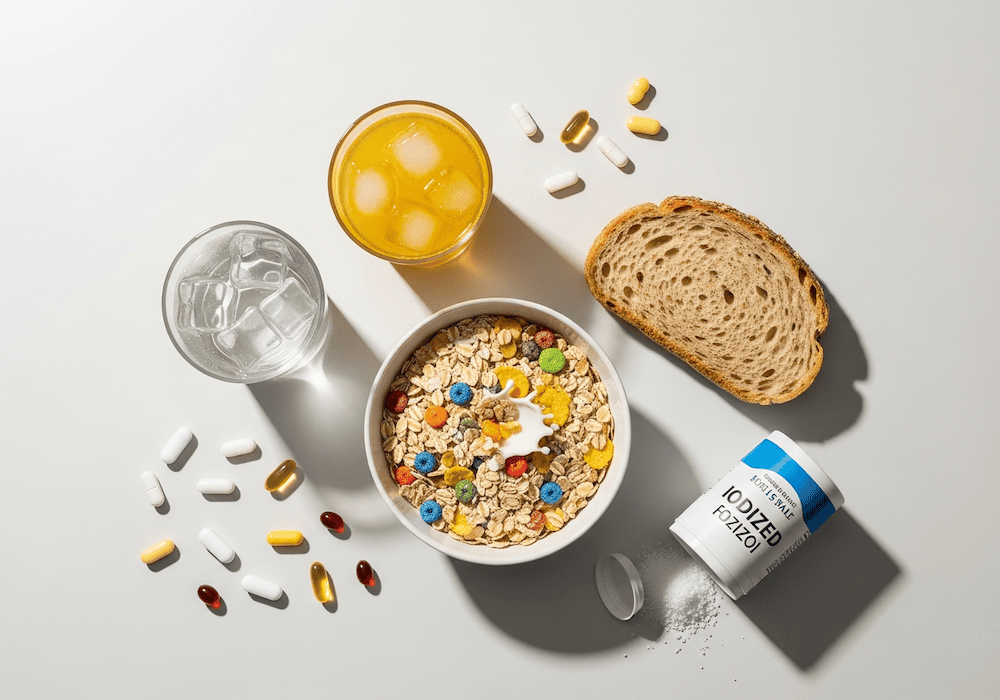
Mineral-based food additives are compounds derived from naturally occurring minerals. Some provide nutrients such as calcium, magnesium and iron. Manufacturers may add these to cereals, breads and beverages to increase their nutritional value.
Others perform practical jobs during food production. They can prevent clumping, regulate acidity, improve texture or help a product maintain consistent quality.
Potassium chloride, for example, can replace some sodium chloride in lower-sodium foods. Calcium compounds may provide nutritional calcium while also serving a functional purpose.
An unfamiliar chemical name on a label doesn’t automatically make an ingredient unhealthy. Its purpose, quantity and place within the overall product matter more.
Why Minerals Can Help Food Go Further
Reducing food waste isn’t only about what we do with leftovers. Decisions made long before a product reaches our kitchen can also affect how efficiently food gets used.
Food manufacturers have to balance taste, nutrition, safety, consistency and shelf life. Mineral ingredients can help achieve several of these goals at once.
Calcium and magnesium compounds may add nutritional value. Mineral salts can stabilize foods or control acidity, while potassium chloride can help reduce sodium without eliminating the salty flavor consumers expect.
Some additives can also help products maintain their intended quality and consistency. When food stays usable and appealing throughout its expected shelf life, there’s less chance of it being discarded prematurely.
Of course, additives alone don’t make a product sustainable. They’re simply one tool that can help manufacturers make better use of ingredients and reduce unnecessary losses.
From Raw Mineral to Food-Grade Ingredient
Resourcefulness doesn’t mean compromising on quality. Minerals intended for food must meet appropriate standards before manufacturers can incorporate them into products.
Production can involve purification, filtration and controlled crystallization. Producers also test ingredients for purity, consistency and contaminants.
Working with a specialized mineral additive manufacturer allows food companies to source ingredients with predictable characteristics that meet applicable food-grade requirements.
Consistency matters because impurities can affect flavor, safety and how ingredients behave during production. Using the right material for the right purpose is another way manufacturers can avoid failed batches and unnecessary waste.
Mineral-Based Food Additives and Healthy Living
Making better use of food is important, but so is making sure what we eat supports our health.
Mineral fortification can be useful in foods people already consume regularly. Calcium-fortified foods provide another source of an essential mineral, while sports drinks often contain potassium, magnesium and other electrolytes.
However, added minerals don’t automatically make a product healthy.
Look at the entire nutrition label rather than focusing on one ingredient. Consider sugar, sodium, fiber and protein, along with how frequently you eat the food.
Whole and minimally processed foods can still form the foundation of a balanced diet, while fortified products may fill practical nutritional needs.
Bringing the Upcycling Mindset Into the Kitchen
Food manufacturers can work on reducing waste at scale, but some of the easiest opportunities happen in our own kitchens.
The upcycling mindset asks a simple question before something gets discarded: Can I still use this?
Overripe fruit can become jam, smoothies or baked goods. Stale bread can become breadcrumbs or croutons. Vegetable scraps can contribute to homemade stock. Extra herbs can be frozen, while leftover roasted vegetables can find their way into soups, omelets or pasta.
Storage matters too. Freezing food before it spoils, organizing the refrigerator so older ingredients remain visible and buying realistic quantities can prevent plenty of unnecessary waste.
Even learning the difference between a best-before date and signs that food has actually spoiled can help us avoid throwing away perfectly usable ingredients.
These habits might seem small, but that’s often how upcycling works. One resourceful decision keeps something useful for a little longer. Repeated across a household — or an entire food system — those decisions add up.
Reading Food Labels With Confidence
Understanding mineral-based food additives can also make grocery shopping less confusing.
You might see calcium carbonate, magnesium phosphate or potassium chloride on an ingredient list. Instead of judging a product because an ingredient sounds unfamiliar, consider what purpose it serves and look at the product as a whole.
A sports drink might be useful after prolonged exercise but unnecessary during an ordinary day. A fortified food might help someone meet a nutritional need that another person already gets through their regular diet.
People with health conditions that affect how their bodies process certain minerals should follow individualized medical guidance.
For most shoppers, the goal doesn’t need to be avoiding every additive. It’s becoming informed enough to understand what we’re buying and why.
A Healthier, Less Wasteful Way to Eat
Mineral-based food additives offer an interesting example of how food science, healthy living and resource efficiency can overlap. Manufacturers can use them to provide nutrients, regulate acidity, improve texture and maintain food quality.
At home, we can continue that resource-conscious thinking by buying what we’ll actually use, storing food properly and finding creative ways to give ingredients another purpose before throwing them away.
Upcycling isn’t only about transforming old furniture or rescuing discarded materials. At its heart, it’s about recognizing value where it already exists.
Sometimes that starts right in the kitchen.
