
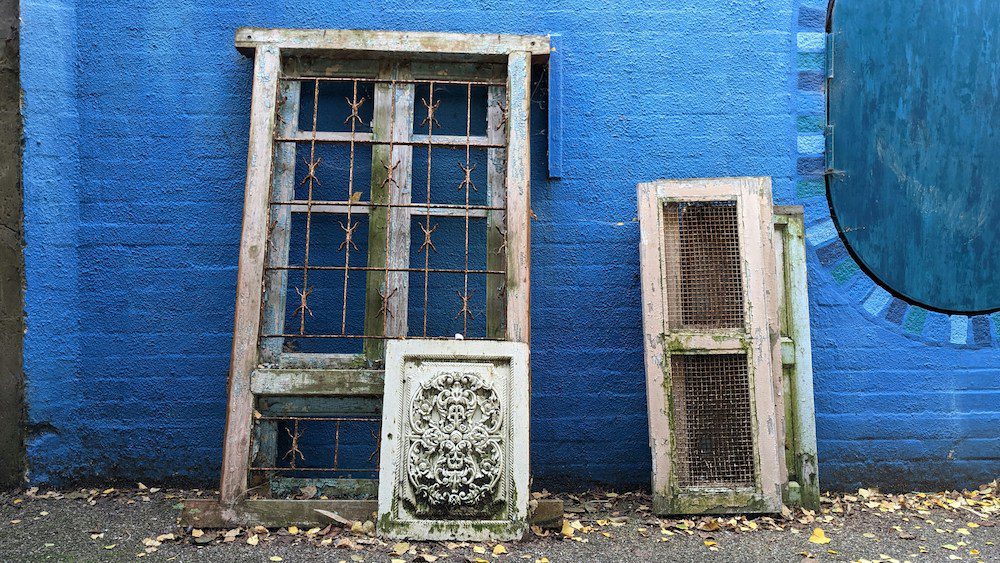
If you want to upcycle a house, it’s easy to get excited by reclaimed doors, refinished floors, and the idea of transforming a tired property on a budget. The challenge is knowing where cosmetic improvements end and expensive structural problems begin. Some homes are ideal candidates for creative restoration, while others require far more than DIY skills and reclaimed materials.
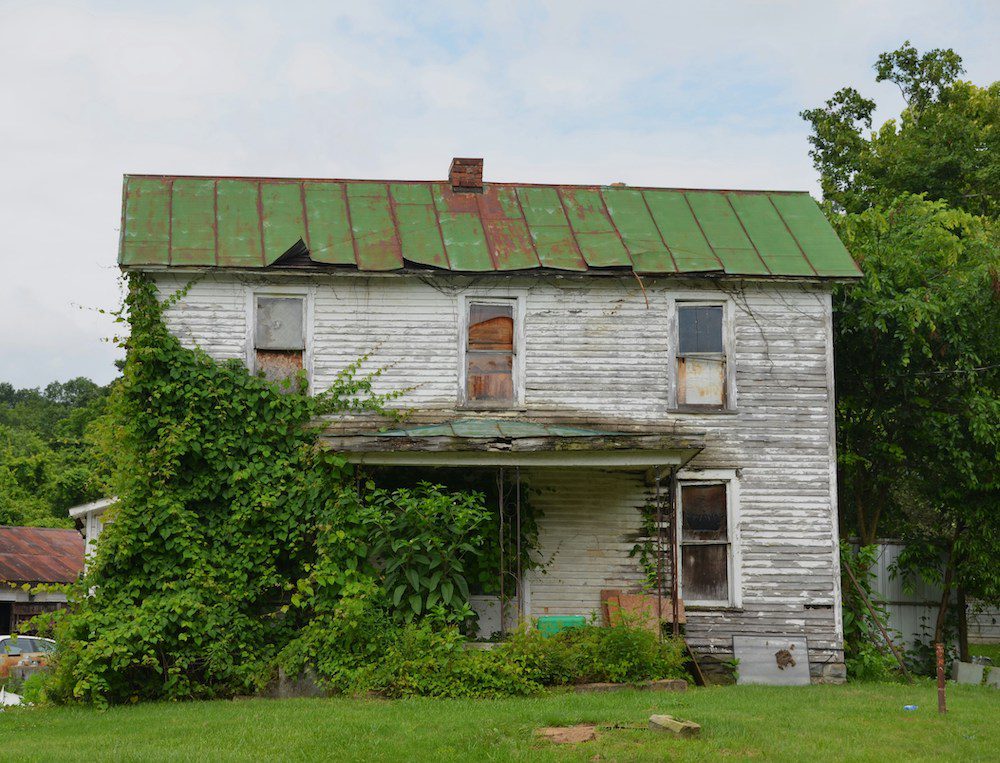
Which House Problems Can You Upcycle?
An upcycler can fix what is cosmetic and skin-deep. Paint, hardware, tired cabinets, worn flooring, and dated fixtures all respond well to creativity and a free weekend. Problems hiding behind the walls are another story.
Use a simple test. If a flaw only changes how a room looks, it is usually fair game. If it affects safety, wiring, plumbing, or the structure itself, it belongs to a licensed professional.
Cost is the next signal. A creative kitchen refresh might cost only a few hundred dollars in materials. Major system repairs climb into five figures quickly. Foundation repair cost estimates average around $5,179, while extensive leveling work can exceed $23,000.
Even careful shoppers hit limits. Choosing quality renovation materials stretches a budget, but no finish fixes a cracked slab or a failed sewer line. Price every repair before falling in love with the project. If the repair costs more than the value it adds, the renovation has stopped making financial sense.
What Signs Show a House Is Too Damaged to Upcycle a House?
A house is past a DIY rescue when several major systems fail at once. One outdated room is a project. Multiple five-figure repairs are a warning.
Watch for these red flags:
- Foundation cracks that widen, stick doors, or create sloping floors.
- A roof over 15 years old with leaks, sagging, or missing shingles.
- Outdated electrical wiring or an old fuse panel.
- Sewer or plumbing failures beneath the slab.
- Extensive mold or water damage behind drywall.
- A furnace or HVAC system well beyond its expected lifespan.
One issue may be manageable. Three or four together often mean renovation costs will outweigh the home’s potential value.
Why Do Some Colorado Owners Sell Instead of Trying to Upcycle a House?
Many homeowners choose to sell because repairs cost more than they’ll ever recover, or because time matters more than maximizing the sale price. Selling as-is means transferring ownership without making repairs first.
The math often surprises people. A cash sale avoids agent commissions, staging costs, and expensive renovations. Although the purchase price is usually lower, the final amount you keep can be much closer once repair expenses disappear.
It also eliminates months of holding costs, including utilities, insurance, taxes, and ongoing maintenance.
Many homeowners choose to work with direct buyers like the atlas portfolio when repairs have become overwhelming or the property no longer makes financial sense to renovate.
Cash buyers often close within 7 to 14 days, while a traditional listing can take 30 to 60 days or longer.
Colorado has also seen growing investor interest in distressed properties, making it easier for owners to sell homes that need extensive work.
Cash Sale vs. Full Renovation
A cash sale trades maximum profit potential for speed, simplicity, and certainty. A full renovation may increase value, but it also requires money, time, and a willingness to manage unexpected surprises.
| Factor | Full Renovation | As-Is Cash Sale |
|---|---|---|
| Upfront cost | Thousands in labor and materials | No repair costs |
| Timeline | Several months | About 7–14 days |
| Effort | Hands-on project management | One property walkthrough |
| Risk | Hidden repairs and cost overruns | Firm offer with fewer surprises |
| Best for | Homes with strong bones | Homes needing major repairs |
Always compare your expected profit after renovation—not just the sale price. A renovation only makes sense if enough equity remains after all expenses.
What Can You Salvage Before You Upcycle a House or Sell?
Even houses that are beyond repair often contain valuable materials worth saving before closing.
Older homes frequently include solid wood, genuine brass hardware, vintage fixtures, and old-growth lumber that would be expensive to replace today. Before removing anything, confirm with the buyer what can legally stay with you after the sale.
Materials worth salvaging include:
- Solid wood doors for barn doors or headboards.
- Cast-iron tubs and vintage sinks.
- Brass hardware and light fixtures.
- Wide-plank flooring and trim for future projects.
- Wavy-glass windows for cold frames or decorative wall art.
For more inspiration, check out our guide to repurposing old doors around your home.
Store salvaged materials carefully by labeling parts, wrapping glass, and stacking lumber flat to prevent warping.
What Really Tips the Scale When You Upcycle a House?
Before committing to a major renovation, weigh the total investment against the potential return.
- Cosmetic flaws are perfect upcycling projects.
- Structural and system failures require professional repairs.
- Multiple major repairs usually cost more than they’re worth.
- Compare your actual net proceeds instead of just the selling price.
- Salvage quality materials before ownership changes.
Should You Upcycle a House or Walk Away?
The answer depends on the condition of the house, your budget, and your timeline.
If the structure is sound, upcycling a house can dramatically improve both its appearance and value without breaking the bank. However, when structural damage, failing systems, and mounting repair bills begin stacking up, selling as-is may be the smarter financial decision.
Run the numbers honestly before committing. The best project is one that leaves you with more money, less stress, and materials rescued for your next creative build.
Frequently Asked Questions
Is an old fixer-upper worth upcycling before I sell?
It depends on the repair total and your timeline. Cosmetic upcycling usually pays off, while major system fixes rarely do. Compare each cost against the value it adds.
How do I know a repair is too big for DIY?
Ask if a mistake could hurt someone, flood a room, or fail an inspection. If the answer is yes, hire a licensed professional. Structural, electrical, and plumbing jobs rarely belong in a DIY project.
How fast can a cash home sale close?
Many cash sales close within 7 to 14 days after an offer is accepted. Because cash buyers skip lender approvals and appraisals, the process is often much faster than a traditional sale.
Can I remove fixtures before an as-is sale?
Sometimes, but always confirm it in writing before closing. Many buyers price a home based on what remains, so agree on which fixtures or materials you plan to keep before signing the contract.
