
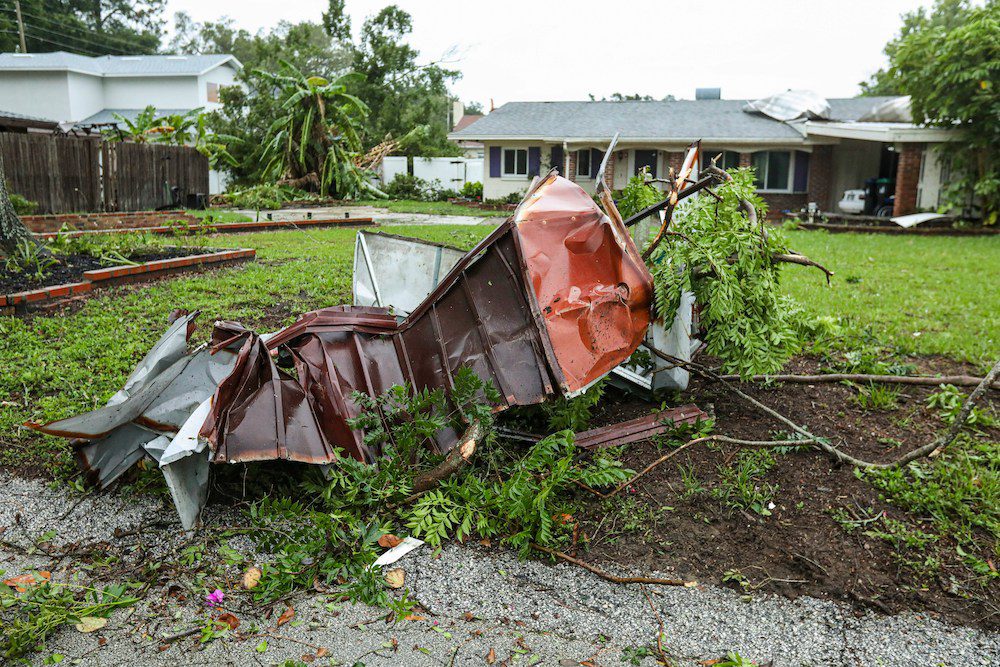
If you own a storm-damaged home, it’s easy to picture reclaimed doors, refinished floors, and a porch brought back to life. But one rough storm season or a slow roof leak can quickly change the math. The challenge is knowing when a home is still worth restoring and when repairs cost more than the value they’ll add.
Which Storm Problems Push a Storm-Damaged Home Past Upcycling?
An upcycler handles what is cosmetic, not structural. Paint, hardware, tired cabinets, and dated fixtures all respond to a free weekend. Storm and water damage behind the walls is a different story.
Florida weather raises the stakes. Coastal humidity often sits above 70%, so trapped moisture feeds rot long after a leak stops. That hidden damage rarely shows up in a quick walkthrough.
Skill still matters, and a solid piece of reclaimed wood furniture proves what salvage can do. But no refinished board fixes a cracked slab or a failed roof. Before hiring someone for major repairs, verify a contractor through the state licensing board. Always price the repair before you fall for the home’s potential.
How Do You Spot a Storm-Damaged Home Beyond DIY Repair?
A house is past DIY when several major systems fail together. One tired room is a project. A stack of storm repairs is a warning.
Watch for these red flags:
- Roof damage or missing shingles after a hurricane or severe storm.
- Water stains, soft drywall, or musty smells from previous flooding.
- Foundation cracks that widen, stick doors, or create sloping floors.
- Mold and water damage spreading behind walls after months of high humidity.
- Old wiring or an electrical panel that no longer meets current code.
- An HVAC system beyond its expected 10 to 15-year lifespan.
One issue may be manageable. Three or four together usually mean repair costs outweigh the payoff. The Florida Department of Health also warns that indoor mold commonly develops after storm flooding and roof leaks.
Why Do Owners Sell a Storm-Damaged Home for Cash?
Many homeowners sell when repairs cost more than they’ll recover or when time matters more than squeezing out the highest possible sale price. Selling as-is means transferring ownership without making repairs first.
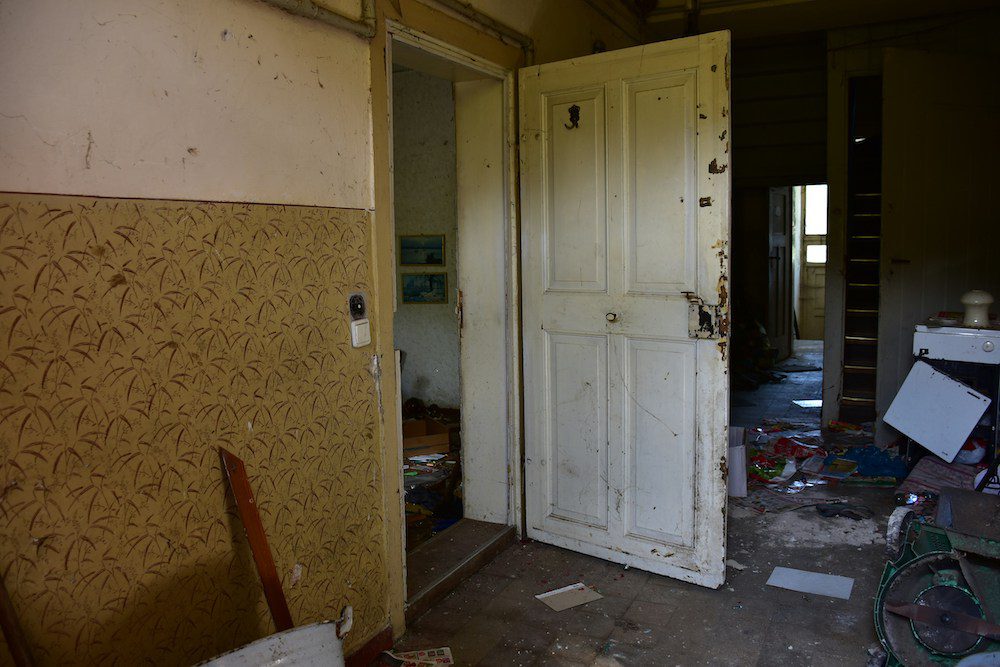
The math often surprises people. A cash sale avoids agent commissions, staging costs, and expensive repairs. Although the purchase price is usually lower, the amount you actually keep can be much closer once repair bills disappear.
Holding costs also continue while a damaged property sits on the market. Property taxes, insurance, utilities, and maintenance all continue adding up. In coastal communities like St. Petersburg, Clearwater, and Palm Harbor, recurring storm risks push many owners toward as-is sales.
Many homeowners choose companies like We Buy Homes Pinellas when extensive storm damage makes traditional selling impractical.
Cash Sale vs. Full Repair
A cash sale trades maximum profit potential for speed and certainty. Repairs can increase value, but they also require money, time, and patience.
| Factor | Full Repair | As-Is Cash Sale |
|---|---|---|
| Upfront cost | $10,000+ in materials and labor | $0 in repairs |
| Timeline | Several months | About 7–14 days |
| Effort | Weekend after weekend | One walkthrough |
| Risk | Hidden storm damage and cost overruns | Firm offer with fewer surprises |
| Offer speed | After repairs and listing | Often within 24 hours |
Always compare your expected profit after repairs—not simply the sale price. Renovations only make financial sense when the finished value comfortably exceeds the total investment. Traditional home sales often take 30 to 60 days or longer, while many cash buyers can make an offer within 24 hours.
Which Pieces Are Worth Salvaging From a Storm-Damaged Home?
Even a heavily damaged house often contains materials worth rescuing before closing.
Older homes frequently include solid wood, vintage hardware, real glass, and quality lumber that deserve a second life. Before removing anything, confirm with the buyer which fixtures and materials you can legally keep.
Materials worth salvaging include:
- Solid wood doors for headboards or sliding barn doors.
- Heart pine boards and trim that have dried and remain structurally sound.
- Vintage sinks, cast-iron tubs, and brass fixtures.
- Quality cabinets and shelving for workshops or garages.
If you’re looking for inspiration, explore creative ways to use reclaimed wood in future DIY projects. Label salvaged materials carefully, wrap glass, and store lumber flat in a dry space to prevent mold and warping.
What Should You Consider Before Selling a Storm-Damaged Home?
Before making a decision, weigh the repair costs against the home’s realistic market value.
- Cosmetic flaws are ideal upcycling projects.
- Storm and structural damage usually require professional repairs.
- Roof, foundation, wiring, and mold issues often become expensive together.
- Compare your net proceeds instead of focusing only on the sale price.
- Salvage valuable materials before ownership changes.
Should You Repair or Sell a Storm-Damaged Home?
The right decision depends on the home’s condition, your budget, and how quickly you need to move on.
If the structure remains sound, thoughtful upcycling and targeted repairs may increase both appeal and value. However, when storm damage reaches the roof, foundation, wiring, or hidden structural systems, selling as-is often becomes the more practical financial decision.
Run the numbers honestly before committing. The best outcome is the one that leaves you with less stress, a stronger financial position, and valuable materials rescued for future projects.
Frequently Asked Questions
Is a storm-damaged home worth upcycling before I sell?
It depends on the repair costs and your timeline. Cosmetic improvements often add value, while major structural or storm repairs rarely deliver the same return. Compare every repair against the value it is likely to add.
How do I know water damage is too big for DIY?
Watch for musty odors, soft drywall, and mold spreading behind walls. These signs usually point to hidden moisture that DIY repairs cannot fully address. Structural repairs and mold remediation are best handled by licensed professionals.
How fast can a cash home sale close?
Many cash sales close within 7 to 14 days after an offer is accepted. Because cash buyers skip lender approvals and appraisals, the process is often much faster than a traditional sale. Some buyers can even make an offer within 24 hours.
Can I remove fixtures before an as-is sale?
Sometimes, but always confirm it in writing before closing. Many buyers price the home based on what remains, so agree in advance on any fixtures, doors, or materials you plan to keep.
