
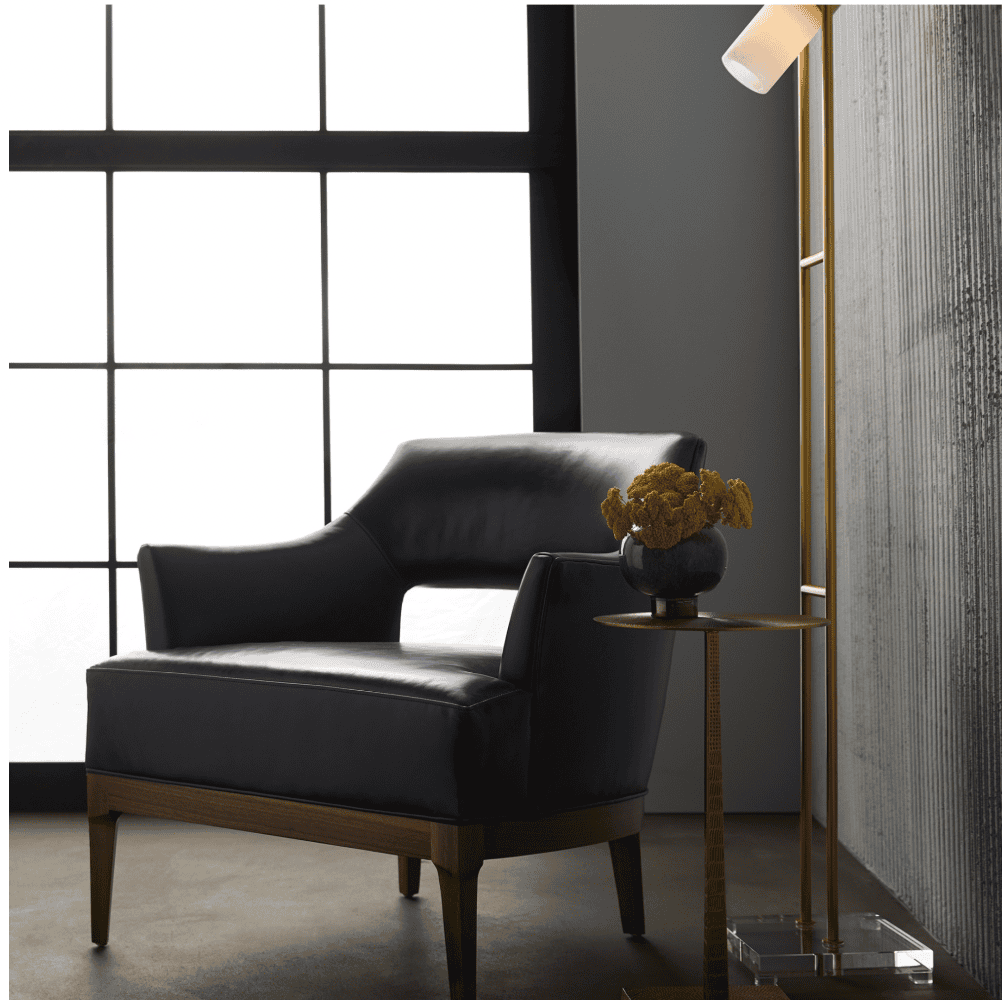
Mixing furniture styles can make a home feel more personal, especially when its furniture has more than one story to tell. A restored cabinet, an inherited table, and a flea market find can live comfortably beside something recently chosen for the space. The goal is not to make every piece look related. Instead, it is to create enough connection that the room feels settled as a whole.

Start Mixing Furniture Styles With What You Have
Before bringing anything new into a room, look closely at what is already there. Furniture can lose its appeal because of a worn finish, dated fabric, or poor location rather than because the piece itself has reached the end of its useful life.
A solid chair may only need new upholstery. A scratched table could take on a different character after refinishing, while a cabinet that feels awkward in the dining room might work well in an entry or bedroom. Looking for this potential first can save useful furniture and preserve some of the history that makes a home feel individual.
Once you know what is worth keeping, it becomes easier to see what the room actually needs. Adding a contemporary lounge chair, for example, can provide useful seating while introducing a fresh shape or material alongside restored pieces.
Give Old and New Something in Common
Furniture from different periods does not have to match, but a few shared details can help it feel connected. Color is one of the easiest ways to create that relationship. A newer chair might pick up a shade found in an older rug, while the finish on a restored table could relate to another wood tone in the room.
Shape and material can create similar links. Curved arms on a newer piece might echo the rounded edge of a vintage table. Likewise, a metal detail could repeat the finish of an older lamp or cabinet hardware. These connections can be subtle. Often, repeating one or two ideas is enough to make a varied collection feel intentional.
Use Contrast When Mixing Furniture Styles
Some of the most interesting rooms include furniture that clearly comes from different times. A clean, sculptural chair can bring fresh energy beside a weathered wood chest. Meanwhile, a simple modern table can give an ornate vintage piece more room to stand out.
The key is to give each piece enough space. When several strong designs sit close together, their details can get lost. Allowing some open space around distinctive furniture helps the eye notice what makes each item special. It also keeps a collected room from feeling crowded.
Restore Furniture With Its Next Chapter in Mind
Restoration does not always mean returning furniture to its original appearance. Sometimes a piece becomes more useful when it changes along with the home. New fabric, updated hardware, or a repaired surface can give older furniture another chapter while keeping its basic character intact.
Think about where the piece will live and how it will be used before making changes. A chair moving into a busy family room may need durable upholstery, while a side table destined for a quiet bedroom may only require a refreshed surface. Working with a piece’s strengths usually produces a more natural result than trying to turn it into something completely different.
Make Function Part of Mixing Furniture Styles
There are times when an existing collection does not meet every need. Perhaps a reading corner lacks a comfortable seat, the living room needs another place for guests, or a new layout leaves an empty area that could serve a useful purpose.
This is where a selective addition can make sense. Start with the function that is missing, then consider what the new piece can contribute visually. For instance, it might introduce a softer shape into a room filled with straight lines or bring texture to a simple palette. Having a clear reason for adding furniture can help prevent the room from filling up with pieces that have nowhere meaningful to belong.
Use Upholstery to Connect Different Eras
Fabric can act as a bridge between old and new furniture. Reupholstering a vintage chair in a material that relates to newer seating can create an immediate connection without hiding the older piece’s form.
There is no need to use the same fabric everywhere. Related colors, textures, or patterns can create a more relaxed effect. A woven neutral on one chair might sit comfortably beside a deeper solid color on another. As a result, the pieces remain distinct while the fabrics give them enough in common to share the same room.
Leave Space When Mixing Furniture Styles
A collected interior can grow over years, which makes editing important. Not every piece that has value or history needs to stay in the same room. Too much furniture can make it difficult to appreciate individual items. It can also limit how comfortably people move through the space.
Try removing something before deciding that an empty area needs to be filled. A little open floor space can make a room feel calmer and give restored or distinctive furniture more presence. In addition, pieces that no longer work in one room may find a better purpose elsewhere in the home.
Let the Room Develop Over Time
Mixing restored and newer furniture works best when there is no rush to finish the room. Living with a space reveals what is useful, what feels out of place, and where something is genuinely missing. It also gives you time to find pieces with the right character rather than choosing them simply to complete a layout.
A room built this way can hold many layers. Some furniture may carry family history, some may reflect a successful DIY project, and some may have been selected recently because it serves the home well today. When function, proportion, materials, and personal meaning guide those choices, old and new pieces can share the same space naturally. Ultimately, the result feels less like a matching collection and more like a home that has grown with the people who live there.
