
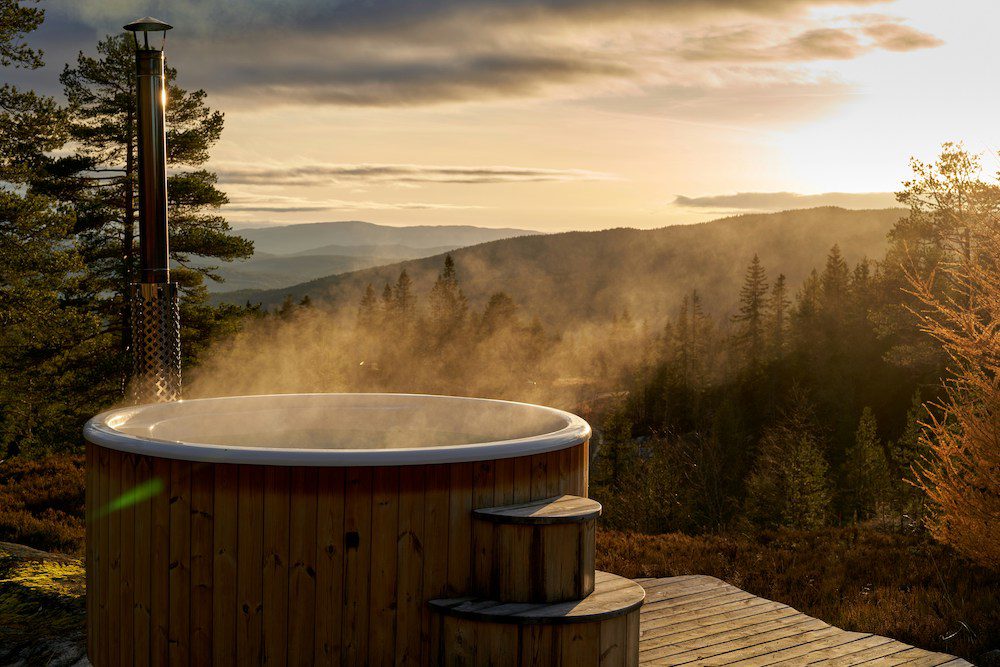
A hot tub buying guide should go beyond features and pricing, especially when the goal is to create a sustainable backyard retreat that feels intentional, efficient, and built to last. The right choices reduce waste, lower long-term costs, and turn your outdoor space into something you actually use. Many buyers rush the process and end up replacing parts, upgrading systems, or abandoning the setup altogether. That cycle creates unnecessary expense and environmental impact. A smarter approach focuses on longevity, efficiency, and designing a space that works with what you already have.
Hot Tub Buying Guide: Start With Your Backyard Goals
Every purchase should begin with a clear purpose. Some people want muscle recovery after workouts, while others picture slow evenings under the stars. Your goal determines everything from seating style to jet placement and overall size. When buyers skip this step, they often pay for features that never get used. That mismatch leads to wasted energy, higher maintenance, and eventual upgrades. A focused plan ensures the tub supports your lifestyle and earns its place in your backyard retreat.
Hot Tub Buying Guide: Matching Size and Seating to Your Space
Hot tubs range from compact two-person models to large units built for groups. Choosing the right size is less about capacity and more about realistic use. Oversized tubs require more water, more energy, and more chemicals to maintain. They also take up valuable outdoor space that could be used more creatively. Measuring your area properly, including access paths for delivery, prevents costly adjustments later. A well-sized tub feels integrated, not overwhelming, and supports a more efficient setup.
Hot Tub Buying Guide: Choosing Features That Last
Feature overload is one of the biggest traps for first-time buyers. A higher jet count does not guarantee better performance, and flashy add-ons often fail first. What matters is build quality, jet placement, and system reliability. Durable components reduce repair cycles and extend the tub’s lifespan. The same logic that carries over to cold plunge chillers and filters, where consistent water quality hinges on dependable hardware. Adjustable jets and strong pump systems offer better long-term value than gimmicks. Investing in quality from the start aligns with the core idea of a sustainable backyard retreat.
Planning Installation for a Sustainable Backyard Retreat
Installation is where sustainability either comes together or falls apart. Many buyers overlook the opportunity to work with existing structures. Repurposing a patio, reinforcing a deck, or adapting a gravel base can reduce material waste and costs. Proper foundations also protect the tub from structural stress over time. Electrical setup should be planned carefully to avoid inefficient retrofits later. Anyone browsing the selection of hot tubs in Little Rock, AR, will quickly see that bigger spas call for more deck room, higher water volumes, and beefier electrical hookups. A thoughtful installation creates a stable, low-impact base that supports years of use.
Understanding Long-Term Costs and Energy Use
The upfront price is only part of the investment. Monthly energy use, water care, and occasional maintenance all add up over time. Well-insulated tubs with tight-fitting covers retain heat more efficiently and cost less to run. Climate and usage habits also affect operating costs, so consistency matters. Efficient systems reduce both expenses and environmental impact. Buyers who plan for these factors upfront avoid surprises and keep their backyard retreat running smoothly.
Designing a Sustainable Backyard Retreat With What You Have
Creating a backyard retreat does not require starting from scratch. Repurposing existing furniture, reworking layouts, and using reclaimed materials can transform the space without unnecessary spending. Old benches can become seating areas, and leftover wood can be used for privacy screens or planters. Thoughtful lighting and small design upgrades can shift the entire atmosphere. This approach keeps materials in use longer and reinforces a low-waste mindset. The result feels personal, functional, and aligned with sustainable living.
Water Care and Maintenance Made Simple
Maintaining clean water is essential for both safety and longevity. Simple routines make a big difference over time. Regular testing, balanced chemicals, and proper filtration keep the system running efficiently. Bromine systems often work well in warm water, while consistent monitoring prevents larger issues. Neglecting maintenance leads to equipment strain and premature wear. A steady routine protects your investment and keeps your backyard retreat enjoyable.
Hot Tub Buying Guide: Conclusion
A hot tub buying guide should help you think beyond the initial purchase. When you prioritize durability, efficiency, and thoughtful design, you create a system that supports long-term use. A sustainable backyard retreat is not built through impulse decisions but through careful planning and smart choices. By focusing on what truly matters, you avoid waste, reduce costs, and create a space that delivers value every day.
