
Backyard transformation ideas often begin with frustration. A patchy lawn, an awkward slope, or an unused concrete pad can make outdoor space feel wasted. However, what appears to be a problem area can become a functional extension of your home with thoughtful planning.
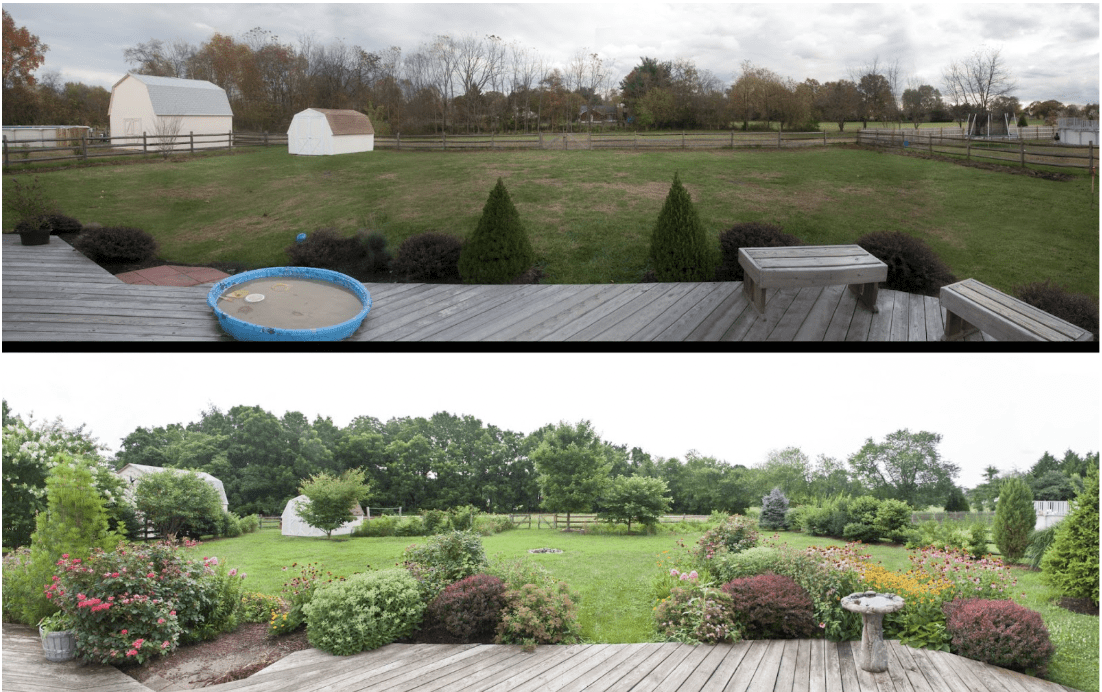
Rather than rushing into demolition, many successful upgrades start with clarity. In fact, redefining how a yard should function often leads to smarter decisions than simply adding new features. As this Calgary before-and-after example demonstrates, intentional layout, durable materials, and climate-aware choices can turn an underused yard into a cohesive outdoor living space. More importantly, when backyard transformation ideas prioritize sustainability and long-term usability, the results feel both beautiful and practical.
Why Backyard Transformation Ideas Should Start With Function
Successful backyard transformation ideas begin with one essential question: how will this space actually be used? Many homeowners begin their journey by researching trusted local providers, and some find inspiration through portfolios like those showcased by Tazscapes.
For instance, a family with young children may need durable open zones for play. Meanwhile, avid entertainers might prioritize layered seating and ambient lighting. On the other hand, some homeowners simply want a low-maintenance retreat that requires minimal watering and upkeep.
Instead of designing around trends, it helps to define clear zones such as dining, lounging, gardening, storage, or pet-friendly areas. Once those needs are identified, layout decisions become easier and more intentional.
In the Calgary case study, the original yard lacked structure. Grass met fence without transition, and concrete interrupted flow. After the redesign, each area served a purpose. A seating space anchored the yard, pathways guided movement, and planting beds softened hard edges. Ultimately, the transformation succeeded because it reorganized the space rather than overcrowding it.
Backyard Transformation Ideas That Reuse What You Already Have
On Upcycle That, transformation does not mean tearing everything out. Instead, it means rethinking.
One of the most effective backyard transformation ideas involves repurposing existing materials rather than discarding them. For example, old pavers can often be reset instead of replaced. Likewise, concrete pads may serve as foundations for pergolas or outdoor kitchens. Even mature trees can become focal points instead of obstacles.
In this Calgary example, structural elements were evaluated before any major removal began. Could grading be adjusted rather than fully excavated? Could existing stone be reused for subtle retaining walls? In several cases, lawn areas were converted into drought-tolerant ground cover instead of being stripped and replaced entirely.
Sustainable upgrades often include reusing brick or stone, converting turf into native planting beds, repurposing timber into raised planters, and installing permeable paving instead of solid slabs. As a result, backyard transformation ideas feel more intentional and environmentally responsible.
Solving Hidden Problems Before Adding Beauty
Although before-and-after photos highlight visual change, the most important improvements often happen beneath the surface. Poor drainage, compacted soil, uneven grading, and harsh sun exposure can quietly limit usability.
Because Calgary experiences freeze-thaw cycles, water management becomes critical. For example, regrading a slope can prevent pooling near the foundation. In addition, French drains or swales help redirect runoff before it causes structural issues. By choosing permeable materials, homeowners allow water to return naturally to the soil instead of overwhelming hard surfaces.
Once these underlying concerns are addressed, aesthetic upgrades tend to last longer. Consequently, fewer repairs are needed, and maintenance becomes more manageable over time.
Climate-Smart Backyard Transformation Ideas for Canadian Homes
Designing in Canada requires durability. Materials must withstand snow, ice, heat, and sudden weather shifts.
For that reason, natural stone often performs better than lower-grade pavers during freeze-thaw cycles. Similarly, native plant species reduce irrigation needs while resisting local pests. At the same time, deciduous trees provide summer shade yet allow winter sunlight to warm the home.
In the Calgary project, plant selection focused on resilience rather than novelty. Instead of relying on high-maintenance ornamentals, the design incorporated hardy shrubs, structural grasses, and layered perennials. Consequently, the space feels lush without becoming demanding.
Climate-smart backyard transformation ideas not only reduce environmental impact but also lower long-term costs. Less watering, fewer plant replacements, and improved erosion control all contribute to a more sustainable landscape.
Designing for Year-Round Visual Depth
Flat landscapes often feel incomplete. Therefore, strong backyard transformation ideas rely on vertical layering.
Canopy trees establish overhead structure. Mid-height shrubs add density. Ground covers prevent erosion while softening transitions. Meanwhile, seasonal perennials introduce color and movement throughout the year. Even in winter, structural seed heads provide texture beneath snow.
In this Calgary transformation, layering shifted the entire atmosphere of the yard. What once felt exposed now feels sheltered and intentional. Additionally, subtle lighting extends usability into the evening and highlights textures after sunset.
Rather than peaking in a single season, a well-designed yard evolves. As a result, the space continues to feel engaging throughout the year.
What to Consider Before Starting Your Own Backyard Transformation
Seeing dramatic before-and-after examples can spark excitement. Nevertheless, planning prevents regret.
Begin by walking your yard at different times of day. Observe where water collects after rain. Notice high-traffic paths and areas exposed to harsh wind. Furthermore, confirm property lines and utility locations before digging.
Next, define priorities clearly. In many cases, grading and drainage matter more than decorative elements. Therefore, structural upgrades should precede aesthetic enhancements. Additionally, allocating a contingency budget for unforeseen conditions helps prevent financial strain.
Above all, think long term. Backyard transformation ideas should enhance how you live now while remaining adaptable for the future.
More Than a Makeover
Backyard transformation ideas are not about chasing trends. Instead, they are about reclaiming outdoor space as part of daily life.
The Calgary case study illustrates how thoughtful planning can turn neglected yards into layered, functional environments. When design aligns with climate, lifestyle, and sustainability, the results extend far beyond visual appeal.
A well-executed outdoor space works better, requires less maintenance, and supports everyday rituals—from morning coffee to evening gatherings. Ultimately, while before-and-after photos capture the reveal, the real transformation is how the space feels long after the project is complete.
