
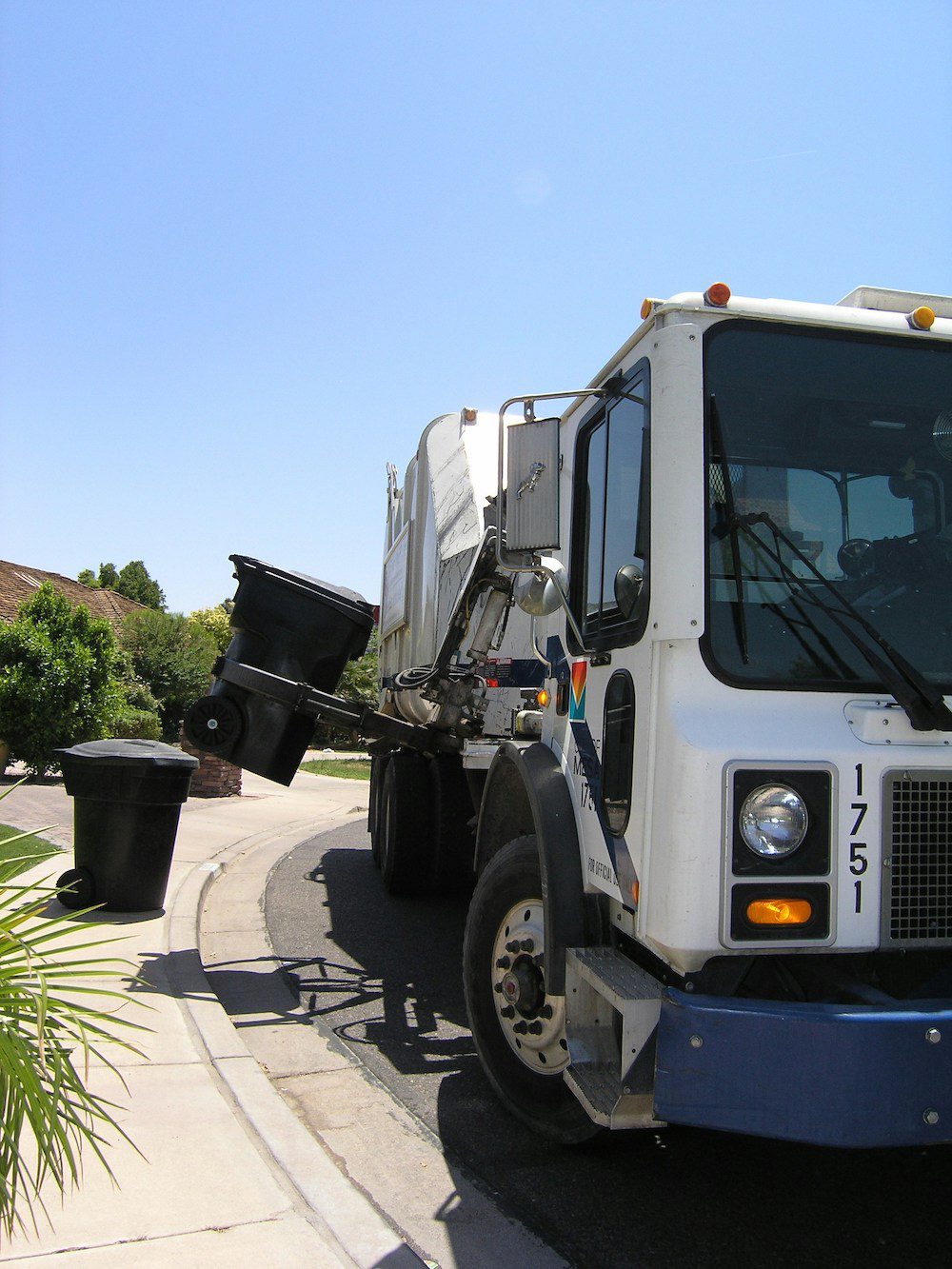
Household recycling tips often focus on reducing landfill waste and protecting the environment, but they can also play an important role in keeping residential streets safer during garbage collection. While most people only think about collection day once a week, the way garbage and recycling are prepared can affect how efficiently sanitation crews work and how safely vehicles move through residential neighborhoods.
Garbage trucks operate under very different conditions than most commercial vehicles. Frequent stops, tight streets, parked cars, cyclists, pedestrians, and children playing nearby all create unique challenges that require constant attention. By understanding these risks and adopting better waste management habits at home, everyone can help create safer neighborhoods.
Why Household Recycling Tips Matter
Unlike long-haul trucks that spend most of their time on highways, garbage trucks stop every few houses—often hundreds of times during a single shift. Drivers must repeatedly brake, collect waste, and merge back into traffic while remaining aware of constantly changing surroundings.
Other motorists don’t always anticipate these frequent stops and may become impatient, attempting to pass when it isn’t safe. Maintaining a greater following distance and expecting regular stops helps reduce unnecessary risks for drivers, sanitation workers, and nearby residents alike.
While careful driving is essential, homeowners can also contribute by preparing waste properly before collection day. Organized bins and tidy collection areas make routes safer and more efficient for everyone involved.
Frequent Stops Create Unexpected Hazards
Residential collection routes require constant acceleration, braking, and maneuvering. Every stop creates a new traffic situation, whether it’s a homeowner approaching the curb, a cyclist passing by, or a vehicle pulling out of a driveway.
When driving near a collection vehicle:
- Leave extra following distance.
- Expect the truck to stop again within a few houses.
- Avoid passing unless it is clearly safe and legal.
- Watch for sanitation workers walking around the vehicle.
Patience goes a long way toward preventing accidents in residential neighborhoods.
Large Trucks Have Significant Blind Spots
Garbage trucks have substantial blind spots around the front, rear, and both sides of the vehicle. Drivers cannot always see pedestrians, cyclists, pets, or smaller vehicles that move unexpectedly into these areas.
This is especially challenging on neighborhood streets, where children may step out from between parked cars or residents may approach the curb while waste is being collected.
To stay safe:
- Never linger beside or directly behind a garbage truck.
- Make eye contact with the driver before approaching if possible.
- Keep children and pets well away from operating collection vehicles.
- Give the truck plenty of room to turn and maneuver.
Learning more about the role of the garbage truck in residential neighborhoods helps explain why extra caution is important for both drivers and pedestrians. Small moments of awareness can make a significant difference in preventing accidents.
Household Recycling Tips for Safer Collection Days
Safe collection starts long before the truck arrives. Organizing waste properly helps reduce clutter at the curb, keeps collection areas tidy, and makes it easier for sanitation crews to work efficiently.
Here are a few simple household recycling tips that can make collection day safer and more efficient:
- Sort waste as you go. Keep separate containers for garbage, recycling, compost, and reusable items so everything is organized before collection day. Sorting items as they are generated also helps reduce contamination between materials.
- Rinse recyclable containers. Give jars, bottles, and cans a quick rinse before placing them in the recycling bin. They don’t need to be spotless, but removing food residue helps reduce odors, discourages pests, and prevents contamination.
- Flatten cardboard boxes. Breaking down boxes as soon as they’re emptied saves valuable space in recycling bins, prevents overflowing containers, and reduces the chance of lightweight cardboard blowing into the street.
- Create a donation and upcycling station. Keep a dedicated box or shelf for items that can be repaired, donated, sold, or upcycled. Taking a moment to consider whether something truly belongs in the garbage helps divert usable materials from landfill while reducing unnecessary curbside waste.
- Know your local recycling guidelines. Recycling rules vary by municipality. Familiarizing yourself with what belongs in each bin—and what requires special disposal, such as batteries, paint, and electronics—helps ensure recyclable materials are processed correctly.
By following these household recycling tips, you’ll create cleaner collection areas, reduce waste, and make collection day safer for residents, sanitation workers, and garbage truck operators alike.
Neighborhood Conditions Increase Risk
Many garbage collection routes begin early in the morning when visibility may still be limited. School traffic, commuters leaving for work, narrow residential streets, construction projects, and changing weather conditions all add complexity throughout the day.
Drivers must continually adapt while safely operating large vehicles and maintaining scheduled collection routes. Everyone sharing the road can help by slowing down, staying alert, and expecting unexpected stops in residential areas.
Everyone Can Help Improve Safety
Safe collection depends on cooperation between drivers, pedestrians, and residents.
If you’re driving:
- Slow down around collection vehicles.
- Avoid passing stopped trucks unless it is clearly safe.
- Stay out of the truck’s blind spots.
- Watch carefully for sanitation workers on foot.
If you’re walking nearby:
- Keep children well away from operating trucks.
- Stay visible before approaching the curb.
- Never assume the driver can see you.
- Wait until collection is complete before moving close to the vehicle.
These simple habits help protect workers, motorists, cyclists, and pedestrians while allowing collection routes to run smoothly.
Household Recycling Tips Conclusion
Garbage trucks perform an essential public service, but their daily routes involve unique safety challenges that differ from most other commercial vehicles. Frequent stops, limited visibility, residential traffic, and pedestrian activity all increase the need for patience and awareness from everyone sharing the road.
Following practical household recycling tips—such as sorting waste as it happens, rinsing recyclable containers, flattening cardboard boxes, and setting reusable items aside—also contributes to cleaner, safer collection areas. Combined with responsible driving and respect for garbage truck operators and sanitation crews, these simple habits help protect workers, residents, and motorists while supporting more efficient and sustainable waste collection.
