
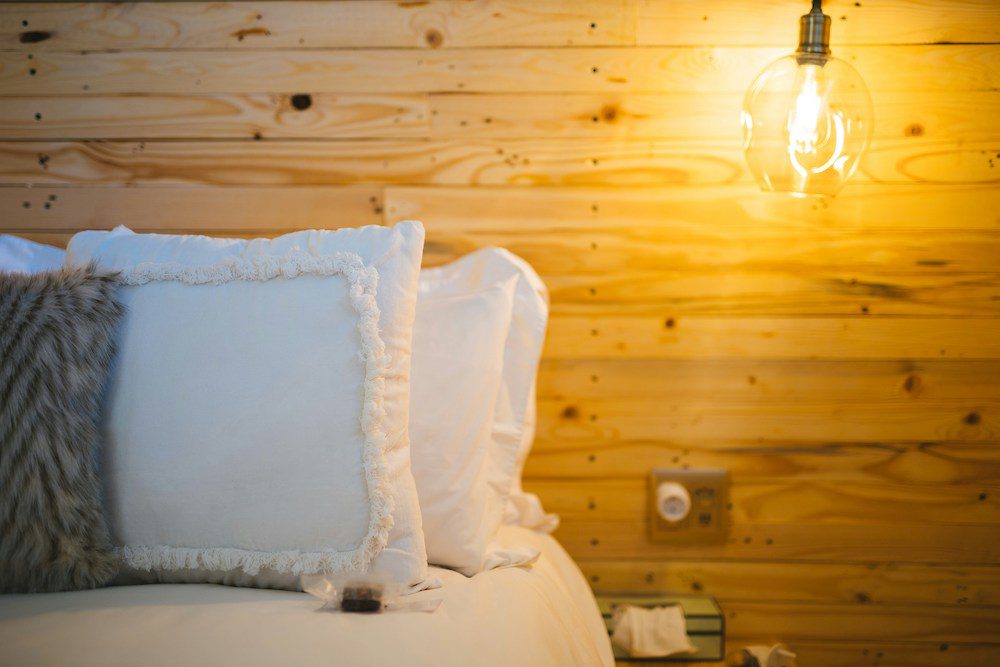
Some of the most memorable hotel interiors don’t rely on brand-new furniture. Instead, they combine reclaimed timber, vintage lighting, old doors, secondhand furniture, and architectural pieces rescued from other buildings. Boutique hotels are especially good at decorating with salvage because they need spaces with personality. A reception desk made from an old gymnasium floor or a headboard built from weathered barn boards gives a room something mass-produced furniture simply can’t: a story.
Many of the same ideas work beautifully at home. Boutique hotels offer plenty of inspiration for choosing pieces with character, mixing old and new materials, and making reclaimed items last. The result is an interior that feels collected over time rather than bought all at once.
Decorating With Salvage Starts With the Story
One of the biggest advantages of salvaged material is that it already has a history. Old timber carries saw marks, nail holes, knots, and natural variations in color. Vintage hardware develops a patina that manufacturers often struggle to recreate convincingly. Even an old door or worn dresser can bring warmth to an otherwise modern room.
Boutique hotels often celebrate these imperfections instead of hiding them. The same approach works well at home. Look for pieces that can become focal points, such as an old workbench turned into a console or reclaimed floorboards transformed into shelving. A vintage dresser can also become a bathroom vanity. You don’t need an entire room of reclaimed materials for the effect to work. One or two pieces with history can completely change how a space feels.
Choose Salvaged Pieces for Their Materials, Not Their Original Purpose
Some of the best salvage projects begin when you stop thinking about an item’s original purpose. An old door doesn’t have to remain a door. It can become a headboard, tabletop, room divider, or oversized mirror frame. Timber flooring can turn into wall paneling, shelving, or furniture.
This kind of creative thinking also makes reclaimed wood furniture so versatile. Solid timber can often handle several rounds of cutting, refinishing, repairing, or adapting before it reaches the end of its useful life. When you source salvage, look first at the quality and condition of the material. Then ask what else it could become before deciding whether it suits your space.
Decorating With Salvage: Mix Old Materials With New Pieces
Decorating with salvage doesn’t mean everything needs to be vintage. Reclaimed materials often stand out more when you pair them with simpler contemporary pieces. A weathered timber dining table can work beautifully with modern chairs. An ornate antique mirror can soften a minimalist bathroom. Industrial metal shelving can also add texture to a clean white kitchen.
Boutique hotels use this contrast constantly. Too many statement pieces can make a room feel themed, while a mix of old and new usually feels more natural. Let the salvaged pieces provide character and allow quieter furnishings to create breathing room around them. You can also repeat a few materials or colors to make the room feel connected. If an old timber cabinet introduces warm wood tones, echo that warmth through a picture frame, lamp base, or smaller accessory.
Design for the Life the Piece Will Actually Have
A beautiful salvage find still needs to work. Hotels learn this quickly because guests use furniture and finishes far more heavily than people would at home. A vintage dresser might look perfect in a guest room, but its original drawer runners may struggle with hundreds of openings each year.
That doesn’t mean old pieces are fragile. Salvaged solid timber can be remarkably durable, especially when compared with inexpensive modern composite furniture. The weak points usually appear in the joints, hardware, moving parts, and finishes. Before putting an older piece into regular use, check for loose joints, lifting veneer, unstable legs, damaged hardware, and worn finishes.
For hotels, these decisions become part of broader hotel operations for boutique hotels. Housekeeping, maintenance, repairs, and replacement parts all affect how well a reclaimed interior performs over time. At home, the lesson is simpler: fix problems before they become failures. Tighten a hinge, reinforce a chair joint, or refresh a protective finish while the repair is still easy.
Save the Pieces That Will Be Hard to Replace
Hospitality design also teaches a useful lesson about planning ahead. Salvaged materials rarely stay available forever, so it can help to buy a few extras when you find matching handles, tiles, hinges, or floorboards. Finding the same pieces later may prove surprisingly difficult.
Timber offcuts, trim, and spare hardware can also save a future repair. A small piece of reclaimed wood from a shelving project might later provide the perfect patch. The same idea applies when working with salvaged windows and doors. Original hardware, trim, glass, and timber offcuts may come in handy when you need to restore or adapt something.
That doesn’t mean you should keep every scrap. Saving everything can quickly turn a garage or storage room into an unusable salvage pile. Focus on materials that match installed pieces, are difficult to replace, or have a clear future use.
Be More Careful With Salvage in Wet Areas
Bedrooms, living rooms, dining areas, and hallways usually give you plenty of room to experiment with reclaimed materials. Bathrooms and other wet areas need more care. Old timber may require a proper seal before you use it around sinks, showers, or tubs. A vintage dresser used as a vanity also needs protection around vulnerable joints and unfinished surfaces.
Cleaning products matter too. Strong solvents and abrasive products can damage waxed, painted, or aged finishes very quickly. Before placing a salvaged piece in a demanding location, think about what it will face every day. Water, steam, direct sunlight, heat, food, cleaning products, and constant handling all affect how long a material will last. Sometimes the most sustainable choice is simply to place a beautiful old material somewhere it can survive.
Let Imperfections Stay Visible
One of the easiest ways to ruin a great salvage find is to make it look too new. Not every scratch needs sanding. Old nail holes, faded paint, worn edges, and uneven color can all add character to the finished piece.
Those details also help a room feel as though it developed over time. Clean the piece, make it safe, stabilize anything loose, and protect the surface where necessary. After that, consider leaving some evidence of its earlier life intact. That history is often what made the material interesting in the first place.
Decorating With Salvage: Source Locally When You Can
You don’t need access to a specialist architectural warehouse to start experimenting with salvage. Reclamation yards, thrift stores, estate sales, flea markets, online marketplaces, demolition sales, and local reuse centers can all turn up useful materials at very different price points.
Habitat for Humanity’s ReStores are independently operated reuse stores that sell donated furniture, appliances, and building materials while supporting Habitat’s housing work. It also pays to look beyond finished furniture. Cabinet doors, timber offcuts, old hardware, lighting, mirrors, tiles, and architectural details can sometimes offer more creative possibilities than a complete piece.
The Sustainable Hospitality Alliance also publishes industry resources covering sustainability issues across hospitality. The material targets the industry, but the larger idea applies at home too. Good sustainable design considers how materials are sourced, used, maintained, and eventually reused.
Decorating With Salvage Is About Thinking Differently
The most useful lesson boutique hotels offer isn’t a specific design style. It’s a different way of looking at materials and asking what can be reused before buying something new. An old door might become a headboard. Leftover flooring might become shelving. A vintage dresser might replace a newly manufactured vanity. Existing furniture may simply need a repair, fresh finish, or better location.
Decorating with salvage is less about creating a rustic look and more about recognizing potential. The best spaces don’t necessarily look upcycled. They feel layered, personal, and hard to recreate exactly. That may be the biggest design advantage of using materials that already have a life behind them.
