
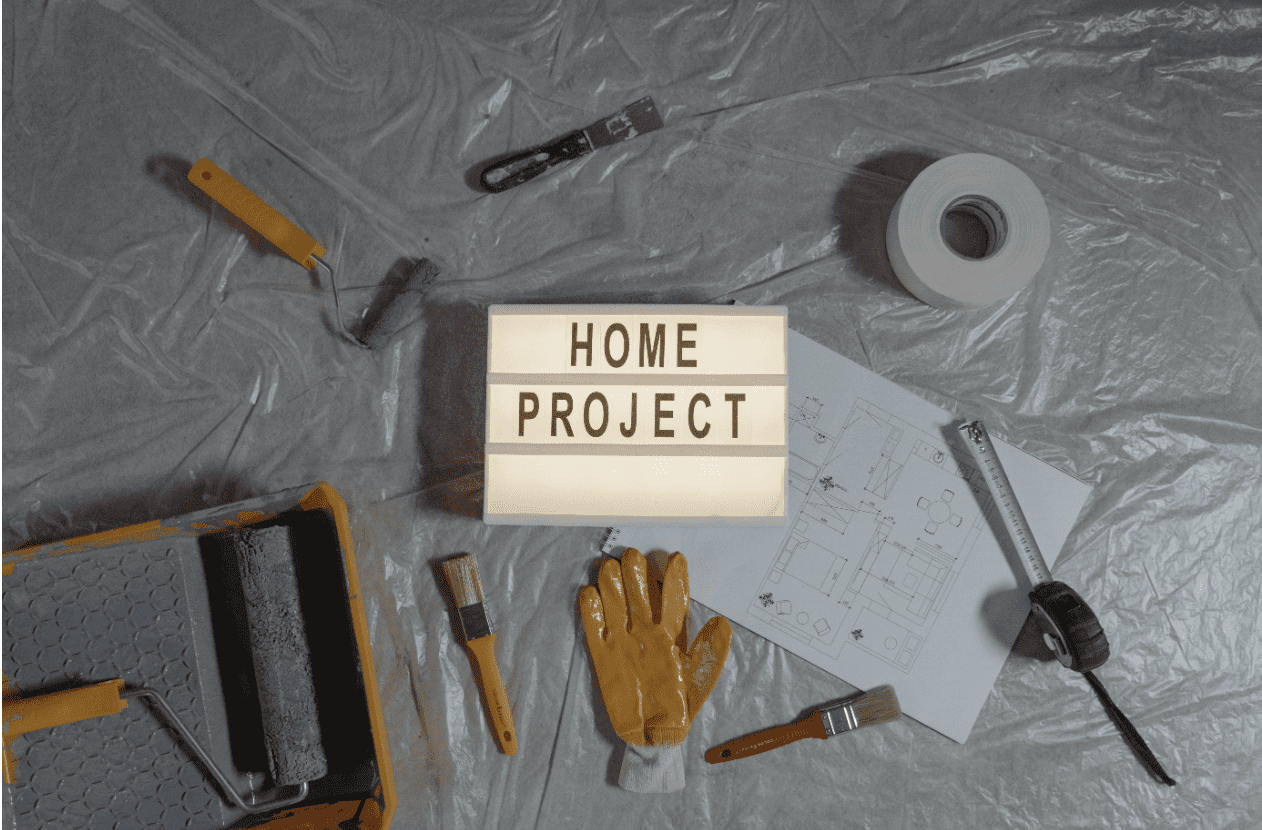
Stuff worth keeping can be surprisingly hard to identify once your DIY supplies start piling up. Most people begin an upcycling project focused entirely on the final result, but experienced creators know the real first step is creating enough space to work clearly and efficiently. Before you start building, painting, or restoring anything, it helps to decide what deserves valuable storage space and what is simply clutter pretending to have potential.
The reality is that creative projects naturally accumulate materials over time. One small furniture flip can easily turn into shelves full of tools, scraps, fabrics, and unfinished ideas. That is why learning how to declutter before upcycling matters so much. A cleaner, more intentional workspace makes projects feel more manageable and enjoyable instead of overwhelming.
Stuff Worth Keeping Usually Falls Into A Few Key Categories
One of the easiest ways to sort through DIY clutter is to focus on quality and usability instead of emotion. Many people hold onto materials because they feel guilty throwing things away, even when those items are damaged, outdated, or unrealistic to reuse.
In general, stuff worth keeping tends to include solid wood offcuts, quality hardware, specialty tools, vintage décor pieces, unopened paint, and versatile materials that can easily work across multiple projects. These are the items that would cost real money to replace later.
On the other hand, warped MDF, rusted screws, dried-out paint cans, cracked plastic containers, and broken décor often end up taking up valuable space for years without ever being reused. A good rule is to ask yourself whether the item is realistically useful within the next year. If not, it may be time to donate, recycle, or responsibly dispose of it.
Why It Helps To Declutter Before Upcycling
Creative projects become much harder when every surface is covered with unrelated supplies. Searching for the right drill bit or moving piles of old materials just to access your workspace wastes time and energy that could be spent actually building something.
That is why many experienced DIYers intentionally declutter before upcycling instead of waiting until the mess becomes unmanageable. A clean workspace improves focus and helps you see what materials you already own before accidentally buying duplicates.
Simple organizational systems can make a huge difference here. Clear storage bins, labeled drawers, rolling carts, and open shelving help keep materials visible and easy to access. It also helps to group supplies into categories, such as:
- Furniture hardware and fasteners
- Paints, stains, and finishes
- Sewing and fabric supplies
- Power tools and electrical equipment
- Sanding materials and safety gear
Even small upgrades to organization can make future projects feel dramatically smoother and less chaotic.
Organizing Craft Supplies Makes Creativity Easier
Many people underestimate how much mental clutter comes from disorganized materials. When supplies are piled randomly into boxes or scattered throughout the house, creative work starts to feel stressful instead of inspiring.
Organizing craft supplies properly allows you to move between projects more efficiently without constantly searching for missing items. It also makes it easier to take inventory before buying new materials, which reduces unnecessary spending and waste over time.
For smaller spaces, vertical shelving and stackable bins work particularly well. Mobile storage carts can also be useful because they allow tools and supplies to move with you between rooms or work areas. The easier your setup feels to maintain, the more likely you are to stay consistent with it long term.
Where To Store Stuff Worth Keeping Between Projects
At a certain point, even the most organized workshop or garage can reach its limit. This usually happens during larger upcycling projects involving bulky furniture, reclaimed wood, renovation leftovers, or vintage pieces waiting for restoration.
If you are struggling with where to store materials between projects, external storage can sometimes be the most practical solution. Instead of filling spare bedrooms or stacking furniture against hallway walls, storage for DIY projects creates breathing room while still allowing you to keep valuable materials accessible.
Flexible self storage units can work especially well for people managing seasonal projects, rotating inventory, or furniture waiting for restoration. Rather than constantly rearranging your living space to accommodate unfinished builds, you can separate active work areas from long-term storage in a way that feels cleaner and more sustainable.
Sustainable Creativity Requires Sustainable Organization
One of the most overlooked parts of upcycling is the importance of maintaining systems that support creativity long term. Every project adds new tools, leftover materials, and potential future ideas into the mix. Without organization, even the most inspiring hobby can start feeling chaotic and stressful.
The goal is not to create a perfectly minimal workspace with zero supplies. The goal is to intentionally keep the materials that genuinely support your creativity while letting go of the things that no longer serve a purpose. When your workspace feels clear and functional, it becomes much easier to actually enjoy the process of building, restoring, and creating again.
