
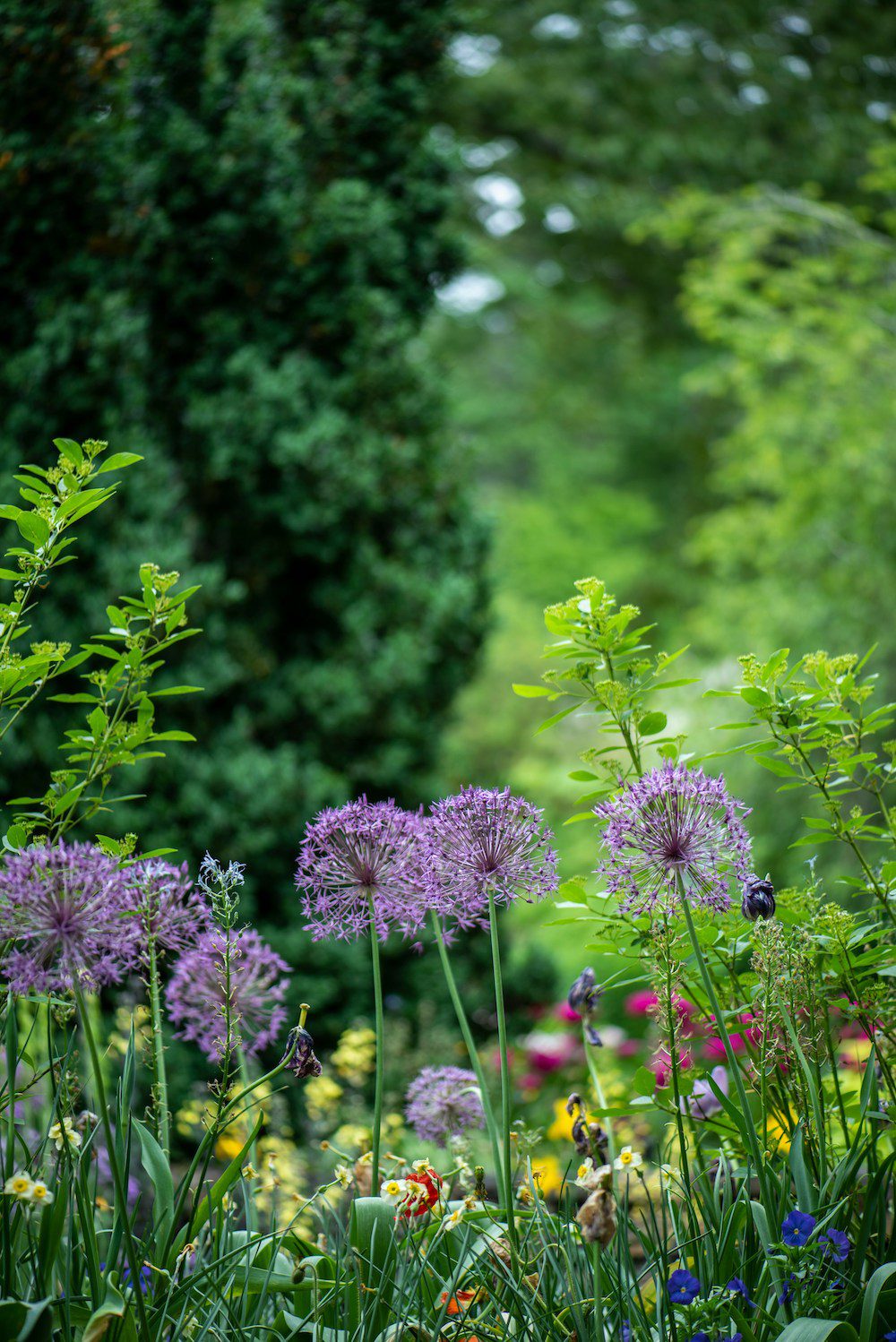
A thoughtful sensory garden design transforms an outdoor space into something far more immersive than a traditional garden. Instead of focusing only on appearance, these spaces are intentionally built to engage sight, sound, touch, smell, and taste. The result is an environment that encourages relaxation, mindfulness, and deeper interaction with nature.
Sensory gardens have become increasingly popular in homes, schools, wellness spaces, and community environments because they offer both therapeutic and practical benefits. They can support stress reduction, improve accessibility, and create more meaningful outdoor experiences for people of all ages. For those exploring things to do around San Antonio, the San Antonio Botanical Garden stands out as a premier destination. As the city’s official botanical garden, it offers a variety of sensory experiences that engage visitors in meaningful ways. Whether you have a sprawling backyard or a compact urban patio, a sensory-focused approach can completely change how a space feels and functions.
Why Sensory Gardens Feel So Inviting
Traditional landscaping often prioritizes visual appeal above everything else. While beautiful flower beds certainly matter, sensory gardens go several steps further by creating layered experiences that feel interactive and alive.
Movement plays a major role. Ornamental grasses swaying in the breeze create gentle motion, while water features introduce calming sounds that soften city noise and create a sense of tranquility. Fragrant herbs and flowers bring another layer entirely, encouraging visitors to pause and engage with the environment rather than simply walking through it.
Texture is equally important. Soft lamb’s ear, smooth river stones, rough bark, and textured pathways create tactile experiences that make a garden feel memorable and grounding. This multi-sensory interaction often helps people feel more connected to the space and more present overall.
Creating a sensory garden involves careful planning to ensure all five senses are engaged. Key elements include:
- Sight: Incorporate a variety of colorful plants and flowers to create visual interest.
- Sound: Add water features or wind chimes to produce soothing sounds.
- Touch: Use plants with different textures, such as lamb’s ear or ornamental grasses.
- Smell: Include fragrant plants like lavender, rosemary, and mint.
- Taste: Plant edible herbs, fruits, and vegetables to engage the sense of taste.
Building a Strong Sensory Garden Design Foundation
The best sensory gardens are intentional without feeling overdesigned. Instead of cramming every feature into one area, successful layouts allow visitors to naturally move through different sensory moments.
Start by considering flow and comfort. Curved pathways tend to feel more calming than rigid straight lines, while layered planting creates a softer, more immersive environment. Seating areas should feel integrated into the landscape rather than simply dropped into the middle of it.
Sound should also be carefully planned. Wind chimes, rustling plants, and trickling fountains all contribute differently to the atmosphere. The goal is not overwhelming stimulation but balanced sensory engagement that feels restorative rather than chaotic.
Lighting can dramatically influence the experience as well. Soft solar lighting, lanterns, or warm-toned string lights extend usability into the evening and create a more magical atmosphere after sunset.
Plants That Work Beautifully in Sensory Gardens
Plant selection is one of the most important parts of a successful sensory garden design. Choosing plants with distinct textures, scents, movement, and seasonal variation helps the space feel dynamic throughout the year.
Lavender remains a classic choice because of its fragrance and calming qualities. Rosemary, thyme, mint, and basil also work beautifully because they engage both smell and taste while adding visual texture. Ornamental grasses contribute movement and sound, especially during windy conditions.
Bright flowers such as echinacea, marigolds, and black-eyed Susans help create visual stimulation while supporting pollinators. Layering different heights and bloom periods keeps the garden visually engaging across multiple seasons instead of peaking for only a few weeks each year.
For homeowners looking to create a more immersive backyard experience, incorporating elements like shaded seating, soft lighting, and even a small water feature can help transform the space into a true outdoor retreat. Some people also pair their garden upgrades with wellness-focused additions such as a meditation nook or a hot tub buying guide inspired relaxation zone to create a more restorative environment overall.
Making Gardens Accessible for Everyone
One of the most beautiful aspects of sensory gardens is their inclusivity. A well-designed space can be enjoyed by children, older adults, and individuals with varying mobility or sensory needs.
Wide, smooth pathways improve accessibility while raised garden beds make planting areas easier to reach. Benches placed throughout the garden allow visitors to slow down and comfortably experience the surroundings.
Shaded zones are especially important for people who become overstimulated or sensitive to heat and sunlight. Quiet corners with gentle sensory elements can create calming environments without excessive stimulation.
Braille signage, tactile markers, and edible planting zones also help create more interactive experiences for individuals with visual impairments. These additions encourage engagement while making the space feel welcoming rather than restrictive.
Sensory Garden Design: How Edible Plants Enhance the Experience
Edible plants bring an entirely different level of interaction to sensory gardens. Herbs, berries, vegetables, and fruit trees encourage visitors to touch, smell, and taste the garden in a direct and memorable way.
Children especially benefit from edible gardens because they create hands-on learning opportunities around nutrition, sustainability, and food systems. Picking fresh mint leaves or tasting homegrown strawberries can help build stronger connections to healthy eating and nature itself.
Even small gardens can incorporate edible elements through vertical planters, raised beds, or container gardening. Compact urban spaces often benefit from multifunctional design choices that combine beauty with practical use.
Sustainable Choices That Support Long-Term Growth
Sustainability naturally complements sensory garden design because both approaches focus on creating healthier, more intentional environments.
Native plants are often the best place to start. They typically require less water, support local biodiversity, and adapt more easily to regional conditions. Mulching helps retain moisture while reducing maintenance demands, and composting enriches soil health without relying heavily on synthetic fertilizers.
Rain barrels and drip irrigation systems can further reduce water consumption while keeping the garden thriving. Choosing durable materials like reclaimed wood, natural stone, or recycled pavers also aligns beautifully with a more sustainable landscaping philosophy.
Maintenance matters as well. A sensory garden should feel lush and inviting, not overgrown or chaotic. Regular pruning, pathway upkeep, and seasonal planting refreshes help preserve both safety and atmosphere throughout the year.
Sensory Garden Designs Create More Meaningful Outdoor Spaces
The most successful sensory garden design projects are not necessarily the most expensive or elaborate. They are the ones that make people slow down, engage, and feel something.
Whether it is the scent of rosemary in the sun, the sound of grasses moving in the wind, or the texture of smooth stones beneath your feet, sensory gardens create moments of connection that many modern outdoor spaces lack. They encourage mindfulness, accessibility, creativity, and calm all at once.
As more homeowners prioritize wellness and intentional living, sensory gardens are becoming far more than a landscaping trend. They are evolving into deeply personal outdoor sanctuaries that support both mental well-being and everyday enjoyment.
