
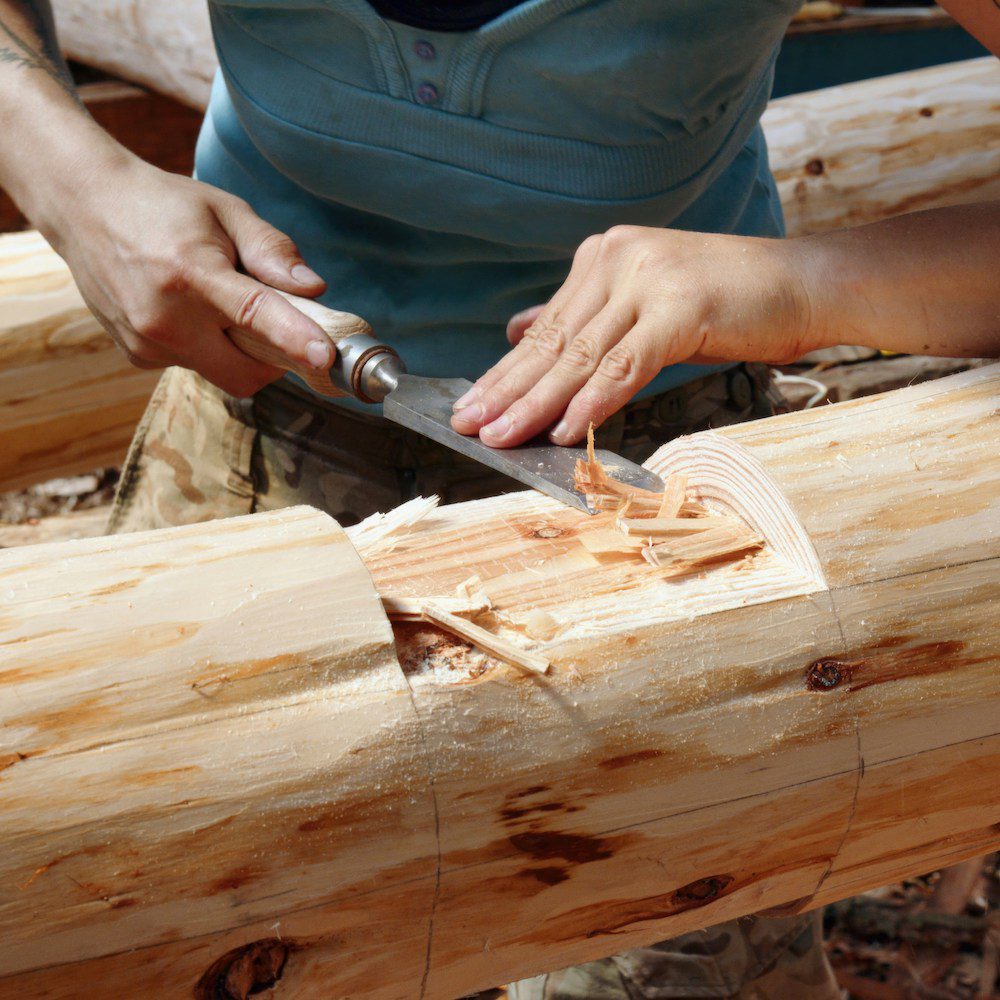
Learning how to repurpose scrap wood can completely change how you look at the offcuts in your workshop. That small hardwood block left over from a furniture project? The branch that fell in last winter’s storm? Instead of sitting forgotten in a scrap pile, those pieces can become beautiful, functional kitchen tools.
Hand-carved spoons, kuksa cups, and bowls are perfect small-scale projects that transform leftover wood into everyday objects. They require relatively little material but reward patience and craftsmanship. With the right carving tools—and a good understanding of hook knife profiles—you can turn scraps into items that feel personal, durable, and surprisingly elegant.
Just as importantly, carving encourages a slower relationship with materials. Rather than constantly buying new lumber, you begin seeing potential in what you already have. A small offcut suddenly looks like the start of a spoon, a cup, or a rustic bowl.
Why Repurpose Scrap Wood for Carving Projects
Woodworkers know that scrap piles grow quickly. Even carefully planned projects leave behind small but high-quality pieces that are too good to throw away. The challenge is finding meaningful ways to use them.
Carving solves that problem beautifully. Projects like spoons and kuksa cups require relatively small blanks, making them ideal for leftover hardwood pieces. A single offcut can easily become a utensil that gets used every day.
There is also something deeply satisfying about turning a forgotten piece of wood into something useful. The knots, curves, and grain variations that might make a board unsuitable for furniture often give carved objects their character.
When you repurpose scrap wood in this way, you’re not just reducing waste—you’re also creating items that feel unique and handmade. Every spoon, cup, or bowl tells the story of the material it came from.
Choosing the Right Tools for Hollow Carving
While carving can be simple in concept, the right tools make the process far more enjoyable. Hollow forms—like the bowl of a spoon or the interior of a kuksa cup—are typically shaped using hook knives.
Unlike straight carving knives, a hook knife has curved blades that allow the cutting edge to follow the shape of a hollow surface. This curved profile lets you carve efficiently while maintaining control over the depth and shape of the interior.
When working with reclaimed or scrap wood, tool choice becomes even more important. Scrap material can vary in hardness, grain direction, and moisture content. A well-matched hook knife profile helps maintain smooth cuts and reduces the risk of tearing fibers or creating uneven surfaces.
Understanding how different hook knife shapes behave makes carving faster, easier, and far more satisfying.
Hook Knife Traits to Consider When You Repurpose Scrap Wood
Not all hook knives behave the same. Their geometry plays a major role in how the blade moves through wood and how easy it is to control the cut.
Here are the key traits that matter most when selecting a hook knife:
- Curve radius – Determines how tightly the knife can turn inside a hollow. Tight curves are ideal for spoon bowls, while broader curves help smooth larger surfaces.
- Hook depth – A deeper hook removes material quickly but can feel more aggressive. Shallower hooks offer greater control and are often better for finishing cuts.
- Tip reach – Important when carving deeper vessels such as kuksa cups. Longer reach helps access the bottom of a hollow without the handle hitting the rim.
- Inner edge length – A longer cutting edge can create smoother surfaces during long carving strokes.
- Clearance angle – Helps prevent the blade from rubbing against the surrounding wood, reducing drag and improving comfort during carving.
- Profile symmetry – Balanced profiles make push and pull strokes feel more predictable and controlled.
Understanding these features helps you match the tool to the shape you’re carving—and ultimately makes the work feel smoother and more intuitive.
How to Repurpose Scrap Wood into Hand-Carved Spoons
If you’re new to carving, spoons are often the perfect starting point. They require only a small blank of wood and can be shaped using a relatively simple set of tools.
Many woodworkers begin with scraps left over from larger builds. A trimmed hardwood board or even a sturdy branch can easily provide the material needed for a spoon. Because the project is small, it allows you to experiment with carving techniques without committing to a large piece of lumber.
The interior bowl of a spoon is typically carved using a compact hook knife. A tight curve allows precise shaping while keeping the thickness of the spoon bowl consistent. As the shape becomes refined, lighter finishing cuts smooth the interior and remove any rough tool marks.
What begins as an overlooked scrap quickly becomes a utensil you’ll reach for every day.
Repurpose Scrap Wood to Carve Kuksa and Wooden Cups
Kuksa cups—traditional carved wooden drinking vessels from Nordic cultures—offer another beautiful way to repurpose scrap wood. These cups are usually carved from a single block, making them ideal for slightly larger offcuts.
Unlike spoons, kuksa cups require deeper interior carving and smooth transitions between the walls and base of the vessel. A medium-radius hook knife often provides the best balance between reach and control for this kind of work.
Carving a kuksa is as much about patience as technique. Removing material gradually helps maintain even wall thickness while preserving the natural beauty of the wood’s grain.
Because the entire cup is carved from one piece, each finished kuksa feels unique—shaped as much by the wood itself as by the carver’s hands.
Larger Bowls and Hollow Forms
For woodworkers with slightly larger offcuts available, bowls offer an excellent opportunity to explore hollow carving on a bigger scale. These projects require more material removal but also reveal some of the most beautiful grain patterns hidden inside scrap pieces.
The early stages of carving a bowl often involve deeper hook profiles that can remove material quickly. As the interior shape begins to emerge, switching to a shallower profile allows for smoother finishing passes.
Comfort also becomes important during longer carving sessions. Well-balanced tools reduce fatigue and make it easier to maintain consistent cuts across larger surfaces.
What started as a leftover chunk of wood can ultimately become a centerpiece object—something that highlights the natural character of the material while serving a practical purpose.
Repurposing wood through carving is a powerful reminder that even small pieces of material still hold value. With the right tools and a little patience, it’s possible to repurpose scrap wood into objects that combine sustainability, craftsmanship, and everyday usefulness.
