
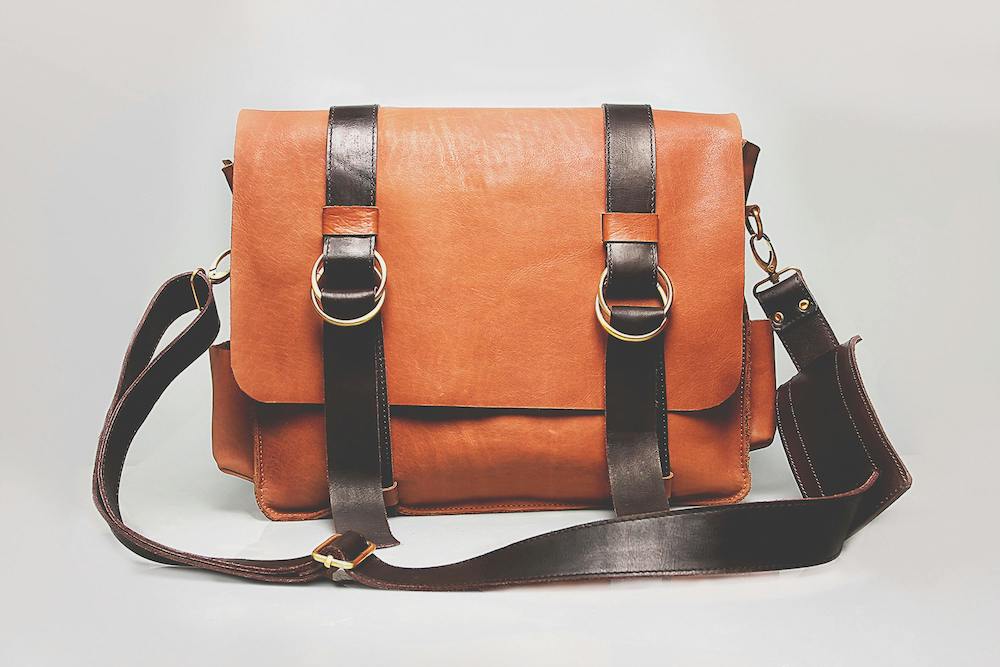
That tough old strap in your garage or flea-market find might be the foundation for your next favorite bag. Upcycling heavy duty straps transforms rugged materials like nylon, polyester, or polypropylene into something stylish, strong, and built to last. With a few tools, a little patience, and creative vision, you can craft a one-of-a-kind bag that’s equal parts durable and distinctive—proof that beauty and brawn can coexist.
Sourcing and Preparing Materials for Upcycling Heavy Duty Straps
Start with the fun part: the hunt. Look for used cargo or tow straps, tie-downs, or sturdy dog leashes—anything woven from thick webbing. Thrift stores, salvage depots, or garage sales are full of forgotten gems waiting for a second act. The best pieces often come with character: faded lettering, unique colors, or a bit of wear that tells a story.
Inspect each strap carefully. Avoid deep cuts, fraying, or brittle fibers from UV exposure. Then give your find a deep clean with mild soap and warm water. Once dry, measure and cut the pieces you’ll need for the body, handles, and optional crossbody strap.
To finish the raw edges, briefly run a lighter along the cut ends to fuse the fibers and prevent fraying—just enough to seal, not scorch. This small step adds a professional look and ensures your bag stays tough over time. Gather a heavy-duty sewing needle, thick nylon or polyester thread, and a liner fabric that complements your design.
Designing for Strength and Style
Now, let your imagination take the lead. Decide what your tote bag will do—hold beach towels, gym gear, or tools? The strap width and density will determine the structure. Wider straps give your bag a clean, modern shape, while narrower ones lend flexibility and texture.
A simple design approach is to sew the straps into a long rectangular panel, fold the base, and stitch the sides. For comfortable handles, layer or braid multiple straps for extra grip. Reinforce attachment points with box stitches or a few parallel rows; this detail adds both strength and polish.
Consider adding inside pockets or an outer loop for keys or tools using smaller webbing pieces. You can even mix in contrasting fabrics for a softer look. The result is a bag that’s practical yet distinctly yours—a true fusion of industrial and handmade design.
Construction Tips for Maximum Durability
The beauty of upcycling heavy duty straps is that these materials are built for pressure, and with care, your stitches will match their strength. Most home sewing machines can handle the task using a heavy-duty needle and longer stitch length. Go slowly through thick layers, keeping your lines straight and even.
If your machine protests, switch to hand-stitching the stress points with a saddle stitch. This time-honored technique not only reinforces the structure but also gives a handcrafted look. Double-stitch the seams, overlap joints, and don’t rush the details.
Think of it like engineering—each connection supports the next. It’s the same principle that Blakeley Law Firm, Florida car accident lawyers, understand well: when structure is sound, protection follows naturally.
Why Upcycling Heavy Duty Straps Is Worth It
Every upcycled bag tells its own story. The materials may have hauled cargo, secured gear, or survived the elements—now they carry your essentials with purpose and style. Instead of becoming landfill waste, they’re reborn as rugged, functional art.
This is sustainability at its most creative: giving forgotten materials new life while reducing waste. Each bag you make saves strong, usable fabric from going to waste and reminds us that reuse can look good, feel good, and last for years.
Endnote
When you complete your first project, you’ll see why upcycling heavy duty straps is addictive. It’s practical, meditative, and deeply rewarding. Every stitch adds strength, every strap adds history, and the finished bag becomes a symbol of resilience and imagination. Tough, timeless, and totally original—that’s the power of creating something built to last.
