
Sustainable home improvements are often associated with reusable products, recycling bins, and environmentally friendly labels. While these habits have their place, many well-intentioned homeowners focus on visible changes while overlooking the upgrades that have the greatest impact on reducing waste and energy consumption.
Most people who care about the environment are doing their best. They bring reusable bags to the supermarket, they recycle, and they buy products marketed as green alternatives. Yet their household’s actual carbon footprint may not be much smaller than their neighbours’. That is not a criticism. It simply highlights how easy it is to concentrate on small everyday swaps while missing the changes that can make a much bigger difference.
Sustainable Home Improvements Start with Reducing, Not Recycling
The recycling bin has become something of a moral comfort blanket. You buy something, use it, put it in the correct bin, and the guilt disappears. However, recycling sits below reducing and reusing in the waste hierarchy. Making use of what you already have will always create a greater impact than relying on recycling alone.
This is especially true for plastics. A large proportion of what enters the recycling stream never gets processed because of contamination or a lack of demand for the material. Buying less in the first place eliminates the problem before it starts.
One of the easiest ways to embrace a more sustainable lifestyle is to think like an upcycler. Before purchasing something new, ask yourself whether an existing item can be repaired, repurposed, or given a second life.
When Green Labels Don’t Tell the Full Story
Greenwashing catches out even environmentally conscious shoppers. Products labelled “natural,” “sustainable,” or “eco-friendly” are not automatically better for the planet. These terms are often loosely defined, allowing brands to use them freely.
Before choosing the greener-looking product on the shelf, consider:
- Where was it made?
- How far did it travel?
- How much packaging does it use?
- What happens to it at the end of its life?
A locally produced item with minimal packaging will often have a lower environmental impact than an imported product with an eco-friendly label.
Sustainable Home Improvements That Have the Biggest Impact
Many households have switched to LED bulbs, reduced meat consumption, and started composting. These are all worthwhile habits. However, heating and electricity use account for a significant portion of a home’s environmental footprint.
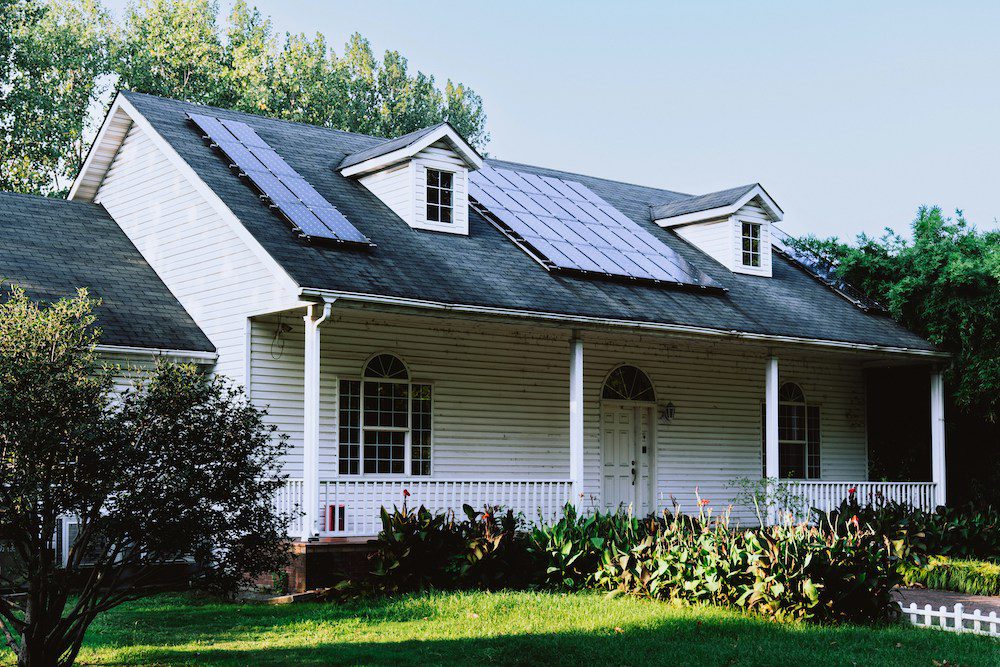
Structural upgrades usually provide much larger benefits than lifestyle tweaks. For example, solar panel installation can dramatically reduce long-term reliance on fossil fuels by allowing homeowners to generate their own electricity instead of depending entirely on the grid.
Unlike disposable products or trendy green purchases, renewable energy systems represent lasting improvements that continue to deliver benefits year after year.
Don’t Forget Hot Water and Insulation
Hot water heating is another area that often gets overlooked. If your boiler is more than ten years old, it is likely far less efficient than newer models. Similarly, poor insulation can quietly waste energy every day.
Some of the most valuable sustainable home improvements include:
- Adding loft insulation.
- Improving wall insulation.
- Replacing ageing heating systems.
- Sealing drafts around doors and windows.
- Installing programmable thermostats.
These upgrades often save more energy than switching household cleaning products or buying reusable accessories.
The point is not that small swaps do not matter. They do. But if your home loses heat constantly, reusable coffee cups alone cannot offset that waste.
Rethinking Fast Furniture
Furniture is one of the most overlooked sources of household waste. Cheap flat-pack pieces have made it normal to replace bookshelves, tables, and sofas every few years rather than keeping them for decades.
Manufacturing furniture requires raw materials, transportation, packaging, and energy. Throwing away perfectly usable pieces creates even more waste.
Instead of replacing furniture automatically, consider:
- Shopping secondhand.
- Repainting or refinishing existing pieces.
- Reupholstering worn seating.
- Repurposing furniture for a different room.
- Investing in quality items built to last.
These choices reflect the heart of upcycling by extending the life of materials that already exist.
Looking at the Bigger Picture
Many people underestimate the impact of larger lifestyle factors. Regular car use, frequent flights, and inefficient homes generally have a much bigger environmental footprint than most day-to-day habits.
This is not about guilt. It is about understanding where your biggest opportunities lie. Individual action matters most when it focuses on the changes with the greatest potential to reduce waste and energy consumption.
By prioritizing meaningful sustainable home improvements instead of symbolic gestures, homeowners can create spaces that are not only more efficient but also more resilient, economical, and aligned with the principles of long-term sustainability.
