
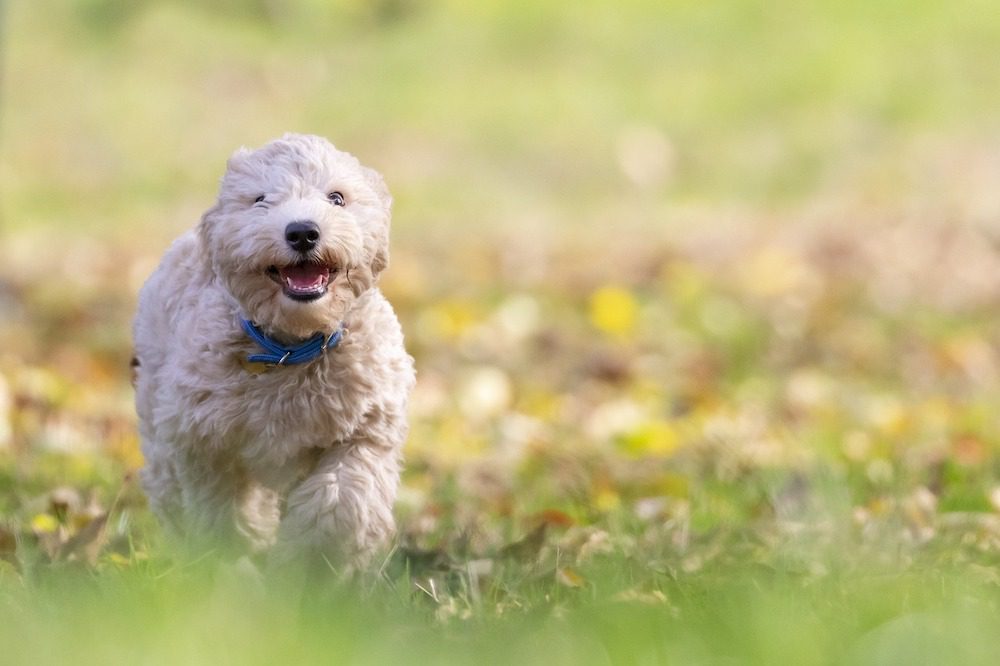
A pet-friendly yard isn’t about perfect grass. It’s about creating an outdoor space that handles daily use without constant repairs or wasted resources. Many pet owners get stuck reseeding lawns, washing muddy paws, and patching worn spots year after year. Over time, that cycle becomes expensive and frustrating.
Upcycling your yard means asking a better question. Instead of fixing the same problems repeatedly, how can the space work with pets instead of against them? This approach focuses on durability, smart surface choices, and fewer inputs, while keeping the yard comfortable and inviting.
Why Traditional Lawns Often Fail in a Pet-Friendly Yard
Conventional lawns aren’t designed for heavy, repeated traffic. In a pet-friendly yard, the same routes get used every day—running paths, digging spots, and favorite lounging zones. Over time, soil compacts, grass thins, and bare patches form. Add pet urine and seasonal weather stress, and even well-maintained lawns struggle to recover.
The result is a familiar pattern: reseeding, watering, fertilizing, and repairing—only to repeat the process again a few months later. From an upcycling perspective, this isn’t just a maintenance issue. It’s a design issue.
Upcycling Your Yard Starts With Smarter Surface Design
A more resilient pet-friendly yard treats outdoor space the way you’d treat an interior one—by zoning it for use. Instead of expecting one material to do everything, different areas serve different purposes.
High-traffic paths can be reinforced with permeable gravel or reclaimed pavers. Shaded lounging areas might benefit from mulch or wood chips that can be refreshed rather than replaced. Play zones can be softened with durable ground covers that tolerate movement and moisture.
This layered approach reduces wear on any single surface and extends the usable life of the yard as a whole.
Where Artificial Turf Fits Into a Pet-Friendly Yard (and Where It Doesn’t)
Artificial turf often comes up in conversations about pet-friendly yards, and for good reason—but it works best when used selectively.
In areas where natural grass consistently fails—such as narrow side yards, high-traffic runs, or spots with poor drainage—artificial grass can replace constant reseeding and watering. Used strategically, it helps reduce mud, improves drainage, and cuts down on repeat repairs.
However, replacing an entire yard isn’t always necessary or desirable. From an upcycling standpoint, the goal is not to swap one material everywhere, but to eliminate weak points in the design. When pet turf is treated as a targeted solution rather than a blanket upgrade, it becomes part of a lower-waste strategy instead of a purely cosmetic one.
Reducing Water, Chemicals, and Repeat Repairs
One of the biggest sustainability gains in a pet-friendly yard comes from reducing inputs. Traditional lawns often rely on frequent watering and chemical treatments to stay presentable—especially when pets are involved.
By redesigning surfaces to be more durable, households can significantly cut water use and avoid repeated applications of fertilizers or lawn treatments. Over time, this not only lowers utility costs but also reduces runoff and chemical exposure for pets who spend time close to the ground.
Durability becomes the eco-friendly choice.
Designing for Movement, Not Perfection
Pets don’t care about flawless lawns. They care about traction, comfort, and space to move. A successful pet-friendly yard prioritizes function over appearance, allowing surfaces to show signs of use without falling apart.
When yards are designed around real behavior—running, digging, resting—they become easier to maintain and more enjoyable to use. The pressure to constantly “fix” the space disappears, replaced by confidence that the yard can handle everyday life.
A Pet-Friendly Yard That Lasts
Upcycling a yard for pets is ultimately about longevity. Fewer repairs, fewer resources, and fewer frustrations. Whether that means reinforcing pathways, rethinking lawn expectations, or selectively introducing artificial turf where it truly adds value, the outcome is the same: a yard that works better over time.
A well-designed pet-friendly yard doesn’t fight nature or pets. It adapts to them. And when durability, comfort, and reduced waste align, the result is an outdoor space that feels easier to live with—for everyone who uses it.
