
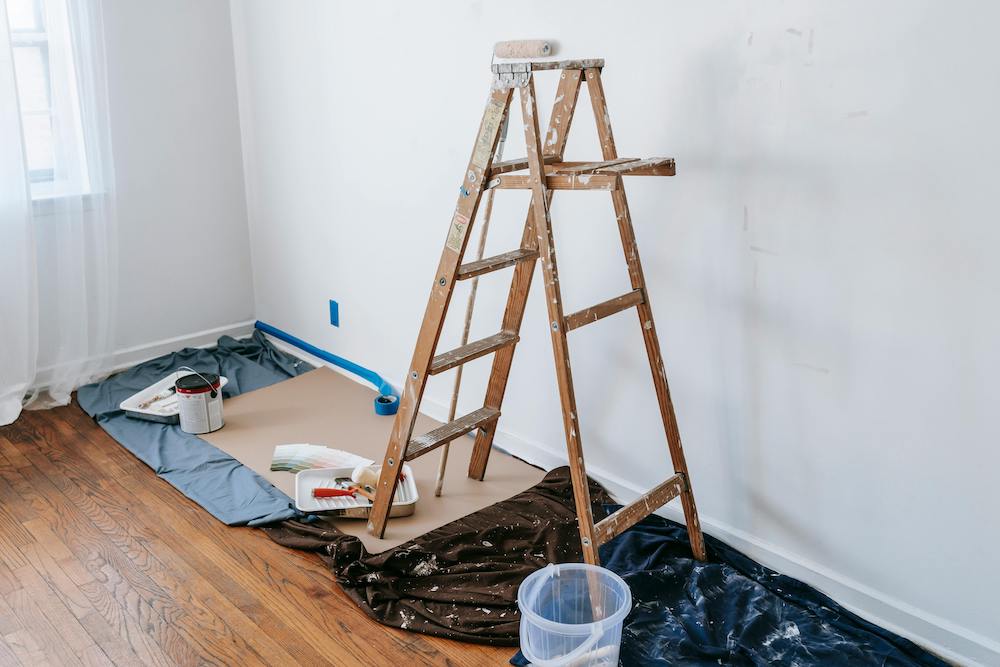
Wondering how to refresh a room with paint? It’s one of the easiest ways to make a space feel lighter, cleaner, and more pulled together without replacing furniture or starting a full renovation. Paint works especially well when the room still functions fine, but visually feels a little off or dated.
Often, the issue isn’t the layout or the decor. It’s the quiet wear that builds up over time and slowly dulls the space. Fingerprints around light switches can make a tidy room feel worn, even after a solid clean. Scuffs on skirting boards catch your eye at night under warm lamps. Sun exposure can fade one wall faster than the others, leaving colour looking uneven and tired.
A fresh coat can solve most of this, especially when paired with a low-waste mindset. Many people in Perth ask Ascend Painting Services about finishes that handle busy households and older walls. The answer usually comes back to prep, light, and a finish that suits how you live.When prep, light, and finish are chosen with real daily use in mind, paint becomes one of the simplest ways to make a room feel balanced and comfortable again.
Let Light and Daily Use Guide Your Paint Choices
Paint can look calm in a store and feel off once it’s on the wall. Natural light shifts throughout the day, making colours feel warmer in the morning and cooler later on. Evening bulbs also affect how whites and greys read, sometimes adding unexpected tones.
Testing small samples removes pressure. Swatches taped to the wall for a few days show how colour behaves in real lighting. A quick look at breakfast and another after dark often makes the decision clear.
Room use matters just as much. Kitchens deal with steam and frequent wipe-downs, so very flat paint may not hold up well. Bedrooms see less traffic, making softer finishes easier to live with. Doorways and hall corners usually need slightly tougher finishes to stay neat longer, even if the rest of the wall remains low sheen.
Prep Steps That Help Refresh a Room With Paint Properly
Walls can look fine from across the room but reveal flaws once paint dries. Grease near cooktops can block adhesion, while dents and loose filler show up as shadows under angled light.
A gentle wash often makes the biggest difference. Mild soap and warm water lift grime without damaging the surface. After drying, a light sand smooths rough edges and old drips so the finish looks even.
Airflow also matters. Many paint products release odours that linger if windows stay closed. Good ventilation helps rooms feel normal faster and supports proper curing, which often takes longer than drying.
Stains deserve extra attention. Marks near ceilings or cornices can signal moisture issues that need fixing first. Once the cause is addressed, a stain-blocking primer prevents bleed-through and reduces wasted paint.
Paint and Finish Choices That Work in Real Homes
Colour draws attention, but finish does much of the work. Flat paint hides surface flaws well and feels calm in bedrooms or formal spaces, though it marks more easily in high-touch areas.
Low sheen and eggshell finishes strike a practical balance. They clean better than flat paint while avoiding the glare of shinier coatings. This makes them a strong choice for hallways, living rooms, and kids’ spaces, especially where walls are not perfectly smooth.
Primer can feel optional, but it often saves time and paint overall. Glossy or stained surfaces benefit from bonding or stain-blocking primers, which help topcoats cover evenly in fewer passes.
Low-Waste Techniques When You Refresh a Room With Paint
A smooth finish comes from steady pacing, not rushing. Keeping edges slightly wet while cutting in and rolling helps prevent lap marks that show under angled light. Good roller sleeves also spread paint evenly without extra pressure.
Leftover paint still has value. While large walls look best from one batch, small shelves, stools, trims, and frames handle minor colour variation well. Clear labels on tins make future touch-ups easier and reduce waste.
Lighter wall colours can also soften glare and brighten rooms without adding lamps. By reflecting light more effectively, they help spaces feel more comfortable using what’s already there.
Simple Habits That Keep Paint Looking Fresh
Small habits after painting reduce early wear and repainting:
- Keep a small jar of finished paint for trims, corners, and door frames
- Clean gently with mild soap and water, then dry to avoid burnishing
- Add felt pads under chairs and tables to prevent scuffs
- Store leftover paint properly so touch-ups stay usable
A tired room rarely needs new furniture to feel fresh again. Paint works best when prep is steady, finishes suit real wear, and materials are reused thoughtfully. With a simple plan, the update tends to last.
