
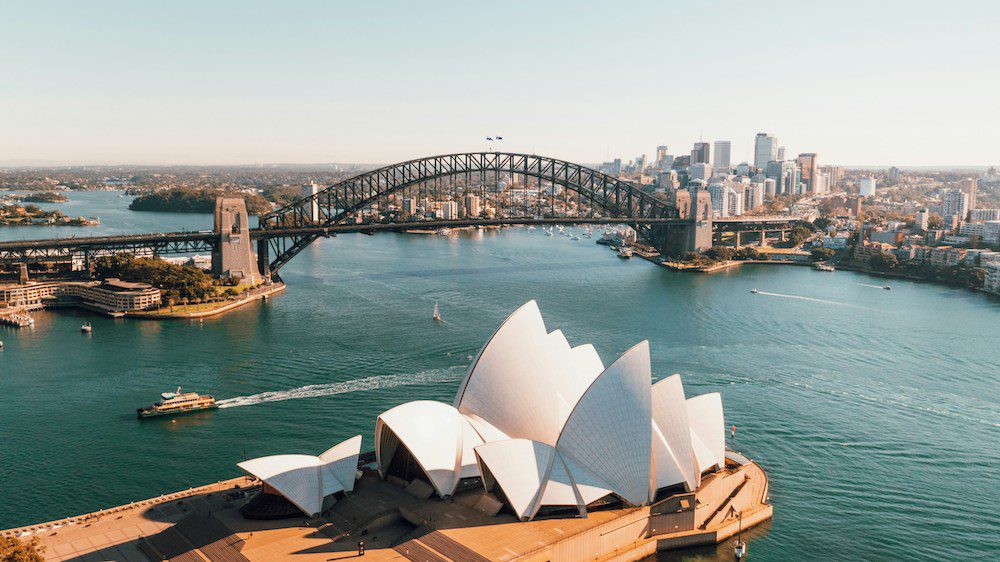
When you think of Australia, you might picture golden beaches, vibrant cities, and endless sunshine. But beyond the postcard views, it’s also a country where eco-friendly living is woven into daily life. From upcycling furniture to shopping at farmers’ markets and op shops, Australia offers the perfect backdrop for anyone ready to build a greener, more sustainable lifestyle.
Eco-Friendly Living Meets Adventure in Australia
Teaching English in Australia opens the door to eco-friendly living while embracing upcycling and sustainability. More than just a career move, it’s a chance to design a life that’s budget-conscious, creative, and environmentally aware. From setting up your home with second-hand finds to building eco-friendly classrooms, Australia offers endless opportunities to live green.
For teachers, this means stepping into a lifestyle where green choices aren’t just possible. They’re encouraged and celebrated.
Upcycled Housing & Eco-Friendly Living on a Budget
Starting fresh in a new country often means living in shared flats or temporary housing. Instead of spending heavily on new furniture, you can tap into Australia’s thriving second-hand culture. Op shops, council hard rubbish collections, and swap groups are treasure troves of affordable, reusable items.
Staying connected while navigating these local groups and marketplaces is essential, and using an esim australia allows newly arrived teachers to access listings, maps, and community forums without relying on disposable SIM cards or public Wi-Fi.
For Your Home: That discarded wooden dresser only needs a lick of eco-friendly paint and new handles to become a unique statement piece. The kids’ bedroom can become their fantasy world. Old jars can be storage containers, and salvaged timber can turn into rustic shelves.
By choosing upcycled solutions, you’ll save money while creating a home that reflects your values and personal style.
Eco-Friendly Living in the Classroom
Upcycling isn’t just for your living space—it’s a creative way to enhance teaching. Everyday materials can be transformed into engaging classroom activities:
- Cardboard boxes → storytelling dioramas
- Plastic bottles → plant pots for a class garden
- Old magazines → vocabulary collages
- Fabric scraps can be transformed into flashcards, beanbags for vocabulary games, or even costumes for role-play activities
These activities make lessons more interactive and give students hands-on ways to practice English. They also demonstrate eco-friendly living in action. Your classroom becomes more than a learning space—it’s a living example of how creativity and sustainability go hand in hand. Many students come from cultures where reuse is already valued, so upcycling projects also create space for cultural exchange, where learners can share ideas from their own backgrounds.
Cultural Exchange Through Sustainability
Teaching abroad is about more than sharing language. It’s about connecting cultures. In Australia, you’ll experience a thriving circular economy that embraces reuse and repurposing.
When you bring those principles into your teaching and lifestyle, you create a cultural exchange centered on sustainability. Students learn the value of eco-friendly living, and you gain deeper insight into how Australians integrate green practices into daily life.
Financial Stability and Sustainable Choices
Sydney and Melbourne are known for their high costs of living. This is where upcycling offers a real advantage. Competitive TEFL salaries give you financial security. When you combine that stability with eco-friendly habits—biking, shopping local, and reusing—you’ll stretch your budget further.
Here, eco-friendly living isn’t just a philosophy. It’s a practical, money-saving approach to everyday life.
Everyday Eco-Friendly Living in Action
One of the joys of moving to Australia as a teacher is how naturally eco-friendly living becomes part of your daily rhythm. Morning bike rides to school on shaded cycle paths, afternoons browsing op shops for quirky home finds, and weekends at bustling farmers’ markets all weave sustainability into your lifestyle without effort.
Even small habits—like carrying a reusable coffee cup, swapping clothes at local exchange events, or joining repair cafés—add up. These actions create a lifestyle that’s affordable, connected, and fulfilling. In this way, upcycling isn’t just a one-off project. It becomes the heartbeat of everyday life in Australia.
Upcycle Your Life: Australia Awaits
Moving to a new country is a big step, but Australia is a very special place where anyone can feel welcome. By choosing to get certified to teach ESL in Australia, you’ll be pursuing a rewarding career without compromising on your sustainable lifestyle choices.
