
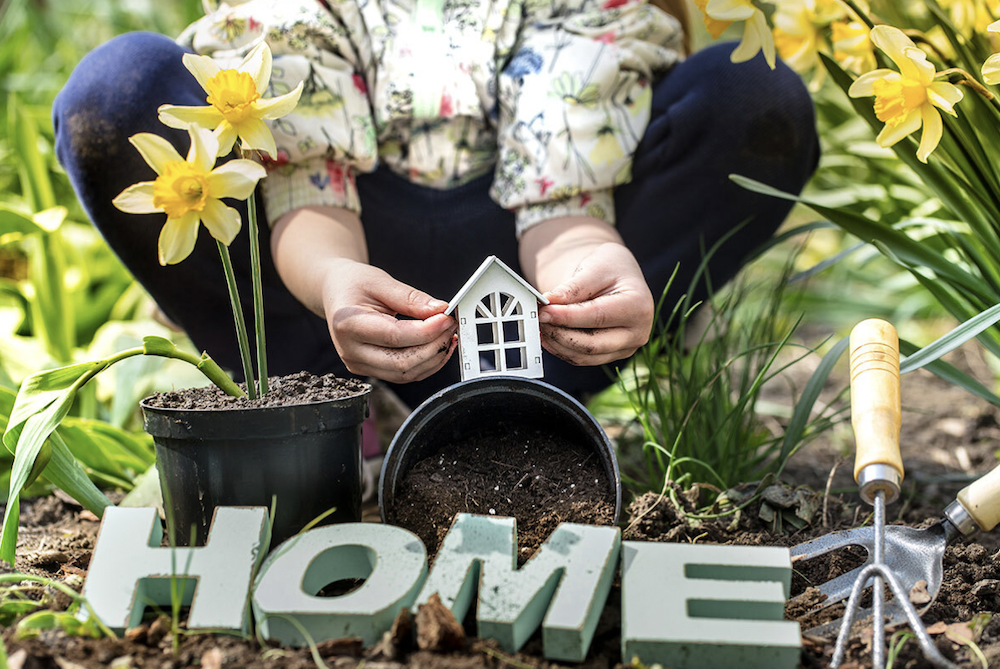
Eco-friendly backyard habits can make caring for your outdoor space easier. Have you ever looked out at your backyard and felt like it was running your life? Constant watering, endless mowing, and expensive lawn products can quickly consume your weekends and your budget.
The good news is that you do not have to choose between a beautiful yard and a healthy planet. Some of the best eco-friendly backyard habits save time, reduce waste, and lower your monthly costs. Small changes can make your backyard work for you instead of the other way around.
Eco-Friendly Backyard Habits for Smart Water Management
Water is often one of the biggest backyard expenses. Fortunately, a few simple changes can dramatically reduce waste while keeping your landscape healthy.
Collect Rainwater with Rain Barrels
Installing a rain barrel beneath a downspout lets you collect free rainwater throughout the year. Rainwater is naturally soft and free of many treatment chemicals found in tap water, making it ideal for gardens. It also helps lower your water bill during dry weather.
Group Plants by Their Water Needs
Use hydrozoning by placing plants with similar water requirements together. This simple approach prevents overwatering, reduces waste, and makes irrigation much more efficient.
Automate and Optimize Pool Maintenance
If you have a swimming pool, water evaporation and chemical loss can become massive money drains. Traditional pool care requires hours of manual skimming and running massive filtration systems that eat up electricity. Transitioning to a smart pool cleaning solution changes the game completely. Utilizing a cordless, autonomous robotic pool cleaner, such as the advanced models found in the Aiper Scuba series, allows you to clean the bottom and walls of your pool without running your main pool filter for twelve hours a day.
Smart Soil and Eco-Friendly Backyard Habits
Many materials that end up as yard waste can actually improve your garden and reduce household waste.
Embrace Grasscycling
The next time you mow the lawn, take the collection bag off the mower. Leaving your grass clippings directly on the lawn is called grasscycling. As these tiny blades of grass decompose, they return vital nitrogen, potassium, and water straight back into the soil. It works like a free, slow-release fertilizer.
Start a Simple Compost Pile
Instead of throwing away fruit peels, vegetable scraps, coffee grounds, and dry leaves, compost them. Finished compost improves soil structure, increases moisture retention, and naturally feeds your plants. It also keeps valuable organic material out of landfills.
Eco-Friendly Backyard Habits Through Low-Maintenance Landscaping
The plants you choose have a major impact on the amount of work your yard requires.
Choose Native Plants
Native plants are naturally adapted to your local climate and soil. They generally require less water, fertilizer, and maintenance than exotic varieties while supporting local wildlife and pollinators. Choosing ones with staggered bloom times stretches that benefit across the whole year. This list of pollinator plants that bloom all season covers which natives fill each window from spring through frost.
Use Natural Mulch Everywhere
Cover exposed soil with a three-inch layer of natural mulch, such as shredded bark, pine needles, or fallen leaves. Mulch helps retain moisture, suppress weeds, regulate soil temperature, and slowly enrich the soil as it breaks down.
Eco-Friendly Backyard Habits – Rethinking Outdoor Tools and Energy
A few smart upgrades can lower your energy use and reduce replacement costs.
Switch to Solar Lighting
Solar-powered path lights eliminate complicated wiring and reduce electricity bills. They charge during the day and automatically light walkways after dark.
Invest in Quality over Quantity
Buying durable tools may cost more initially, but they last much longer than inexpensive plastic alternatives. Quality tools reduce waste and save money over time because they do not need frequent replacement.
Eco-Friendly Backyard Habits That Pay Off
Creating a more sustainable backyard does not require a complete makeover. A few practical changes can reduce your workload, lower your expenses, and minimize waste. Collect rainwater, compost kitchen scraps, leave grass clippings on the lawn, choose native plants, and use efficient equipment where it makes sense.
Over time, these eco-friendly backyard habits help your yard become healthier and easier to maintain. You’ll spend less time on outdoor chores, save money on water and supplies, and create a beautiful space that’s better for both your family and the environment.
