
Upcycling old bathroom fixtures can give a room more character while keeping perfectly useful materials out of landfill. A chipped enamel basin from a demolition yard, a clawfoot tub rescued from a farmhouse or a set of brass taps from a weekend market can make a bathroom feel far more personal than a showroom package. The catch is that these pieces connect to water supply, hot water and waste pipes. That makes them different from an old dresser you can sand and paint in an afternoon. With thoughtful planning, you can enjoy the beauty of salvaged fixtures while keeping the room dry, functional and safe.
Finding Upcycling Old Bathroom Fixtures Worth Saving
Not every old basin or bathtub deserves a second life. Before you fall in love with a piece, inspect it carefully and think about how it will perform in a working bathroom.
Cast-iron baths are heavy and durable, but check around the drain hole, feet and underside of the rim for rust. Small enamel chips may respond to a touch-up or professional resurfacing. Deep cracks in a ceramic basin, however, can become leaks or cause the fixture to fail under pressure.
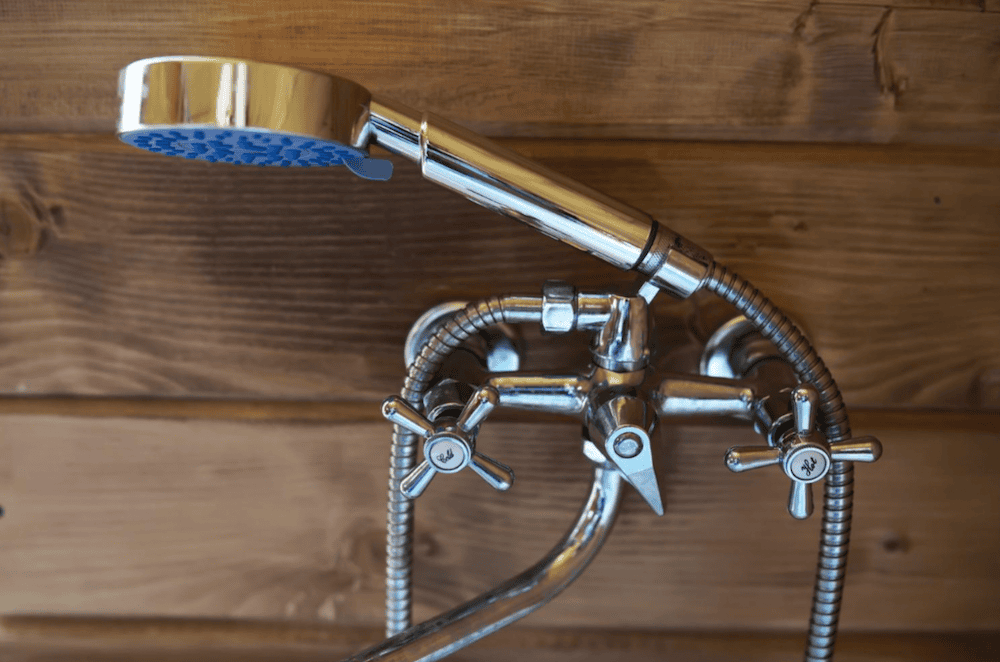
Salvaged taps often require the most investigation. Older Australian taps may use different thread sizes from modern fittings, while imported vintage pieces may follow entirely different standards. Internal washers, valves and cartridges can also wear out even when the exterior still looks beautiful.
If you are buying taps mainly for their appearance, budget for replacement internals or adaptors. Ask whether the fixture can connect to modern pipes before you buy it. A quick conversation with professional plumbers in Brisbane can save you from hauling home a beautiful piece that cannot work in your bathroom.
Why Upcycling Old Bathroom Fixtures Needs a Licensed Plumber
The creative part of the project can be yours. You can strip and repaint the outside of a clawfoot tub, polish brass or chrome, build a timber vanity from reclaimed boards or turn an old dresser into a basin stand.
The connections are a different matter. Water supply, sanitary drainage and gas work require the right knowledge, tools and licensing. Poorly connected waste pipes can allow sewer gases into the home. A supply line that leaks slowly inside a wall or beneath a floor can cause extensive damage before you notice it.
The plumber’s role covers the parts that touch the pipes. That may include fitting the waste outlet, connecting taps, installing the trap, checking water pressure and making sure everything drains and seals correctly. You still control the design, finishes and overall character of the room. The licensed professional makes sure your beautiful idea works as a bathroom.
Plan Around the Plumbing Before You Build
Vintage fixtures often come with quirks that need attention before installation day. A freestanding clawfoot bath may need floor-waste access in a precise location, along with exposed pipework that looks intentional because it will remain visible. Freestanding bath fillers, polished copper and exposed brass can turn those practical connections into part of the design.
Weight matters too. A filled cast-iron tub is extremely heavy, and many older homes around Brisbane have suspended timber floors. Ask for the structure to be checked before you position a large salvaged bath. It is much easier to reinforce the floor before the tiles go down.
Old basins can create smaller complications. A farmhouse or school basin may have an unusual outlet size, a shallow bowl or no overflow hole. A plumber may be able to find a suitable waste fitting, but you should take measurements and photographs before building the vanity around it.
The same principle applies to reclaimed furniture. If you are turning an old dresser into a vanity, confirm the basin dimensions, tap position and pipe route before cutting the top. Leave enough room for access underneath. A vanity that looks perfect from the front can become a nightmare if nobody can reach the trap when it needs attention.
Upcycling Laundry Fixtures With Less Pressure
The laundry offers more freedom because it is usually less formal than the main bathroom. An old concrete laundry tub can be scrubbed, sealed and returned to service. A deep farmhouse sink can handle muddy boots, gardening tools, paintbrushes or a dog that refuses to stay clean.
Reclaimed timber benchtops, old factory shelving and second-hand cupboards also suit the practical character of a laundry. You can paint the walls, build cabinetry and style the shelves yourself. If you move a tub, add a second sink or change the location of a washing machine, leave the pipework to a licensed plumber.
Before using a salvaged sink for messy projects, think about what will enter the drain. Upcycle That’s guide to what can go down a workshop sink offers a useful reminder that a beautiful utility area still needs sensible waste habits.
Keep Upcycling Old Bathroom Fixtures Dry and Working
Once your fixtures are installed, small checks can prevent expensive damage. Look beneath basins every few months for drips, especially where older taps meet newer pipes. Pay attention to damp smells, loose tiles, swollen cabinetry or soft flooring near a fixture. Slow leaks rarely improve on their own.
It is also worth checking local renovation rules before you begin. Brisbane City Council has information on building, renovating and property matters, including approvals that may apply to larger projects. For a straightforward fixture replacement, the main requirement may be licensed plumbing work. A layout change, structural alteration or gas connection can involve additional paperwork.
The best salvaged bathroom is not merely photogenic. It is a room where the basin drains properly, the taps do not drip and the floor stays dry. Choose pieces in sound condition, measure before you build, plan for weight and access, and let a licensed professional handle the connections.
Do that, and your rescued clawfoot tub or vintage laundry sink becomes more than a decorative feature. It becomes a working part of your home, with a past worth preserving and many more years of useful life ahead.
