
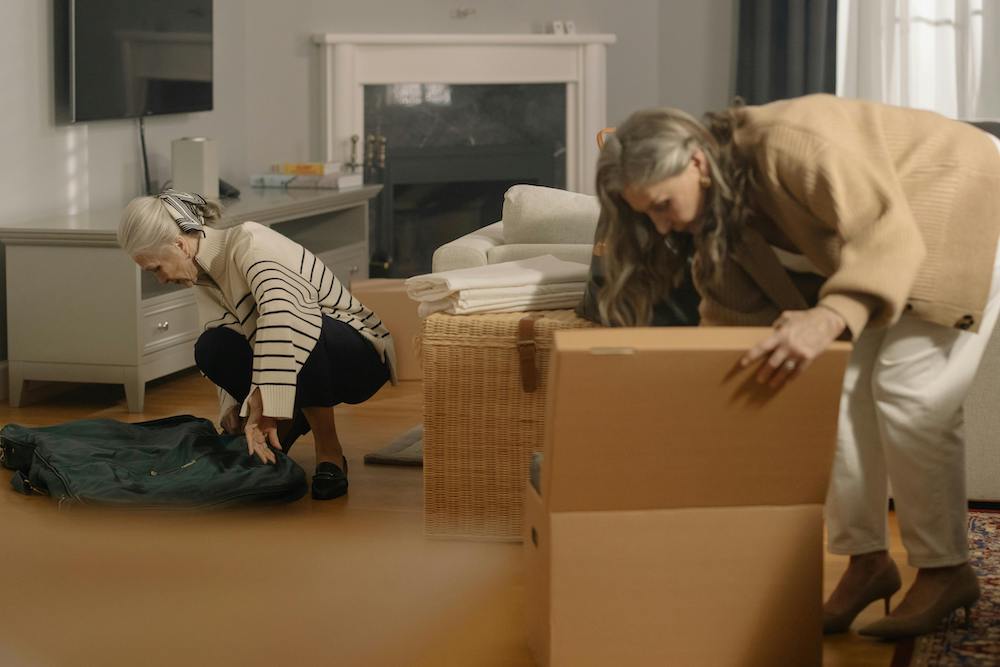
Thinking about downsizing after retirement? You are far from alone. Rising living costs, changing priorities, and a growing desire for simplicity have many retirees rethinking how much space and stuff they actually need. For many people, retirement is the first time in decades that life slows down enough to ask an important question: what truly adds value to everyday life?
Downsizing after retirement is not simply about moving into a smaller home. It is an opportunity to create a lighter, more intentional lifestyle that reduces clutter, cuts waste, and eases long-term financial pressure. Many retirees discover that letting go of excess belongings creates more room for meaningful routines, hobbies, travel, and experiences that better reflect this next chapter of life. Instead of focusing on what is being lost, downsizing can shift attention toward what is being gained: freedom, flexibility, and peace of mind.
How Downsizing Encourages More Intentional Living
A smaller home naturally encourages more thoughtful decision-making. Limited storage and reduced square footage mean every item must earn its place, which often leads to a dramatic reduction in clutter. What once felt manageable in a busy family home can quickly feel excessive when daily routines become simpler and priorities shift.
One of the smartest ways to begin downsizing after retirement is by measuring your future space before packing a single box. Knowing exactly how much closet, cabinet, and storage space will be available makes it easier to make practical decisions early. Furniture that once suited a larger household may no longer fit your lifestyle, while duplicate kitchen gadgets, outdated décor, and rarely used appliances can often be donated, sold, or repurposed.
Taking a slower, room-by-room approach also helps reduce emotional overwhelm. Instead of trying to declutter an entire house in a weekend, focus on manageable categories and realistic limits. A few practical strategies include:
- Sorting belongings one room at a time
- Setting clear limits on sentimental keepsakes
- Selling bulky furniture before moving day
- Donating quality items to local charities or community organizations
- Repurposing meaningful pieces into practical décor for a smaller space
Downsizing after retirement often creates mental clarity alongside physical simplicity. Fewer belongings mean less cleaning, fewer repairs, and fewer things demanding attention each day. Many retirees find that simplifying their surroundings helps them feel calmer and more present in their daily lives.
How Downsizing Can Reduce Household Waste
A smaller home typically leads to more efficient habits. Reduced pantry space, smaller kitchens, and limited storage naturally encourage people to buy more intentionally and waste less. This shift can have a meaningful impact on both household expenses and environmental waste over time.
Food waste is one of the most common forms of everyday waste in larger households. Downsizing often encourages retirees to shop more mindfully, purchase smaller quantities, and plan meals more carefully around perishable ingredients. Even small changes can significantly reduce unnecessary spending and spoiled food each month.
Simple habits that support lower household waste include:
- Planning meals around ingredients already on hand
- Composting food scraps where local regulations allow
- Choosing reusable storage containers over disposable products
- Prioritizing multi-purpose kitchen tools instead of single-use gadgets
- Avoiding duplicate household purchases due to limited storage space
Downsizing after retirement can also reduce utility waste. Smaller homes generally require less energy for heating, cooling, lighting, and maintenance. Over time, these lower utility bills can create substantial long-term savings while also supporting a more sustainable lifestyle.
According to the Employee Benefit Research Institute’s 2024 Spending in Retirement Survey, many retirees actively adjust spending habits to better align with fixed incomes. A smaller, more efficient home often provides the physical structure needed to support those smarter financial habits consistently.
How Downsizing After Retirement Can Ease Financial Stress
Financial anxiety does not automatically disappear in retirement. Research from the Transamerica Institute shows that only 23 percent of retirees feel very confident they can maintain a comfortable lifestyle throughout retirement. Downsizing after retirement can help reduce those pressures by lowering fixed monthly expenses and simplifying ongoing financial responsibilities.
A smaller home may reduce property taxes, insurance costs, utility bills, maintenance expenses, and transportation costs, especially when relocating closer to everyday essentials. Lower overhead creates more predictability, which can make retirement budgeting feel far less stressful.
Downsizing is also an ideal opportunity to streamline financial organization. Many retirees use this transition period to:
- Consolidate bank and investment accounts
- Reassess monthly subscriptions and recurring expenses
- Review beneficiary designations and estate planning documents
- Organize important paperwork and financial records
- Evaluate insurance and long-term planning needs
For seniors concerned about funeral expenses, unpaid medical bills, or leaving debts behind, reviewing affordable senior life insurance coverage during retirement planning can provide peace of mind while helping loved ones avoid unexpected financial burdens later on.
Greater simplicity often leads to greater confidence. When housing costs become more manageable and finances feel more organized, many retirees experience a meaningful reduction in long-term stress surrounding money.
Downsizing After Retirement as a Fresh Start
Downsizing after retirement is about far more than square footage. It is a chance to intentionally shape a lifestyle that feels lighter, calmer, and easier to maintain. Each thoughtful decision, from reducing clutter to lowering utility costs and simplifying financial obligations, contributes to a more manageable and fulfilling retirement experience.
For many retirees, this transition becomes less about “giving things up” and more about creating space for what matters most. A simpler home often supports a richer life filled with greater freedom, flexibility, and peace of mind.
If you found this article helpful, be sure to explore more of our lifestyle and sustainable living content here at Upcycle That.
