
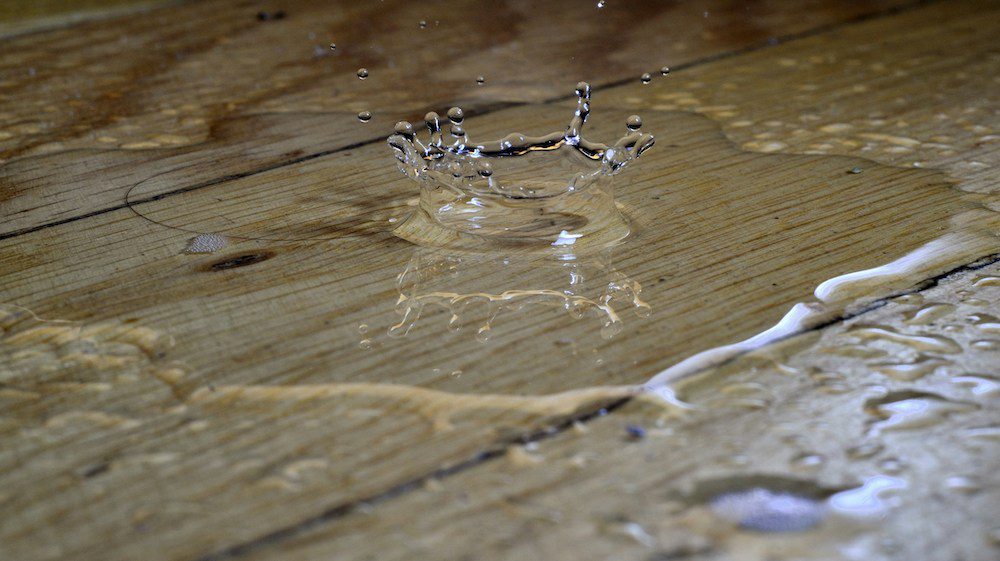
Commercial space reuse is becoming an increasingly creative solution for property owners dealing with water damage, outdated layouts, or underused buildings. While flooding, burst pipes, and leaks can initially feel devastating, these moments often create an unexpected opportunity to rethink how a commercial property functions and what it could become.
Instead of simply restoring a damaged building to its original state, many property owners are now using the repair process with Nation’s Drywall Repair to modernize layouts, improve durability, and create more flexible spaces that better support today’s businesses. From transforming old retail spaces into creative studios to converting damaged offices into collaborative environments, thoughtful reuse projects can breathe entirely new life into commercial properties.
Why Water Damage Can Become an Opportunity
Water damage is expensive, disruptive, and stressful for any business owner. For commercial insureds, water damage costs about $24,000 on average, and North America saw nearly 2,700 commercial water damage claims in 2020, mostly from burst or leaky pipes. However, it also exposes the hidden weaknesses within a building that may have otherwise gone unnoticed for years.
Leaks and flooding often reveal outdated plumbing, poor drainage systems, failing materials, ventilation issues, or inefficient layouts. While these discoveries can increase short-term repair costs, they also create a valuable opportunity to reassess how the space is being used.
Many older commercial buildings were designed around outdated business models that no longer align with modern needs. A traditional office layout with rows of closed rooms may no longer make sense for collaborative work. Large storage areas may sit mostly unused. Retail spaces may benefit from more flexible layouts that support events, pop-ups, or mixed-use concepts.
Rather than rebuilding the exact same environment, commercial space reuse encourages property owners to think more strategically about how the building can better serve future tenants, customers, or employees.
Commercial Space Reuse – Start With Safety and Professional Restoration
Before any creative redesign begins, the building must be properly inspected and restored. Water damage can impact far more than what is visible on the surface.
Moisture can become trapped behind drywall, beneath flooring, inside insulation, or within HVAC systems. If not properly addressed, hidden moisture may lead to mold growth, weakened structural materials, and ongoing indoor air quality problems.
Working with professionals experienced in commercial water damage restoration is essential during this stage. Property owners should work with professionals who handle commercial water damage restoration and understand business interruption, equipment protection, cleanup, and repair priorities. Proper drying, moisture mapping, contamination control, and structural assessment help ensure the building is safe before reuse plans move forward. Water damage feels like a disaster, but it can also expose design weaknesses and open up a space for some industrial upcycling.
This process also helps property owners identify which materials can realistically be salvaged and which ones should be removed entirely. While some elements may still hold aesthetic or functional value, safety should always take priority over preserving damaged finishes.
Creative Commercial Space Reuse Ideas
One of the most exciting parts of commercial space reuse is the ability to rethink how a building functions altogether. Water damage restoration often requires partial demolition anyway, which creates the perfect opportunity to redesign layouts more intentionally.
Former office spaces can become coworking hubs, wellness studios, classrooms, galleries, or creative production spaces. Older retail buildings may work beautifully as hybrid cafés, boutique markets, or event venues with flexible layouts.
Industrial spaces also lend themselves particularly well to reuse projects. Warehouses with exposed brick, beams, or steel elements often have the raw architectural character many modern businesses actively seek out. Instead of hiding those features, reuse projects can incorporate them into the design itself.
The most successful projects balance creativity with practicality. Ceiling height, plumbing access, parking, ventilation, zoning regulations, and neighborhood demand all play major roles in determining whether a reuse concept will succeed long term.
Commercial Space Reuse – Save Materials That Still Have Value
Not every damaged material needs to end up in a landfill. In many cases, commercial buildings contain architectural elements that can be cleaned, restored, and repurposed within the redesigned space.
Brick walls, steel shelving, wood beams, industrial lighting, stone surfaces, glass partitions, and vintage hardware can often add texture and personality to the final design. Reusing these materials not only reduces waste but also helps preserve part of the building’s history and character.
That said, reuse requires careful judgment. Materials affected by contamination, mold, or deep saturation may no longer be safe to keep. Porous materials like soaked drywall and insulation typically require replacement rather than restoration.
The goal is not to save everything. It is to thoughtfully preserve the elements that still make sense both structurally and aesthetically.
Design With Durability in Mind
A successful reuse project should not only look good on opening day but also hold up well over time. Water-damaged buildings often benefit from upgraded systems and more resilient materials that reduce future maintenance risks.
Commercial spaces can be redesigned using moisture-resistant flooring, sealed concrete, removable carpet tiles, metal framing, washable wall surfaces, and elevated storage solutions. Improving drainage systems, replacing aging pipes, and installing leak detection technology can also help prevent future issues.
Durability becomes especially important in restaurants, gyms, clinics, studios, and other high-traffic commercial environments where spills, humidity, and heavy daily use are common.
Good commercial design balances aesthetics with real-world functionality. A space should feel visually compelling while still remaining practical, easy to maintain, and resilient enough to handle everyday business operations.
Turning Damage Into Momentum
Water damage can easily feel like the end of a building’s story. In reality, it often becomes the beginning of a much better one.
When property owners approach restoration thoughtfully, commercial space reuse can transform damaged buildings into more functional, creative, and future-ready environments. Instead of simply repairing old problems, these projects create opportunities to improve layouts, modernize infrastructure, and design spaces that better support how people actually live and work today.
With the right planning, a water-damaged commercial building does not have to return as the same tired office or outdated storefront. It can evolve into something far more intentional, flexible, and valuable than before.
