
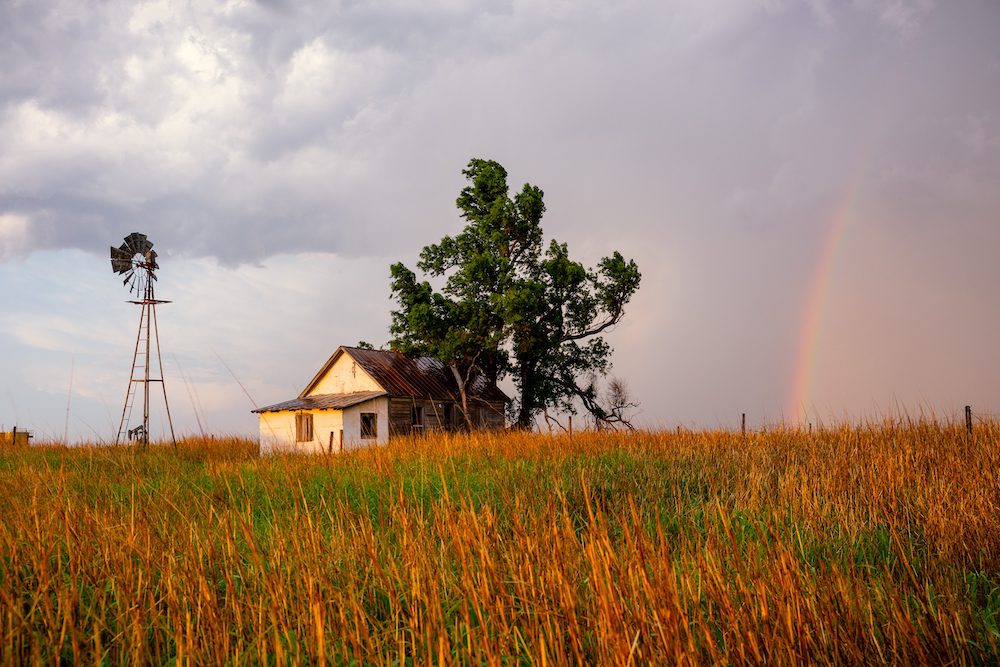
Deciding where to buy homestead property is one of the most important decisions you will make when designing a self-sufficient, sustainable lifestyle. The right location shapes everything, from what you can grow to how you build, source materials, and create a home that feels both functional and deeply connected to the land.
Homesteading is not just about escaping the city. It is about creating a system that works with nature, reduces waste, and allows you to build a life that feels intentional. Choosing the right property is the foundation for all of that. The key to understanding homestead property is its purpose. Usually, homesteads support gardening, animal care, and often have extensive setups like barns, greenhouses, and solar systems.
What Defines a Good Homestead Property
Not all rural land is created equal. A strong homestead property supports both daily living and long-term sustainability.
Look for land that offers a balance of sunlight, water access, and usable terrain. Flat or gently sloped land is easier to work with, especially if you plan to garden, build structures, or incorporate salvaged materials into your setup.
Soil quality matters more than most buyers realize. Rich, fertile soil reduces the need for external inputs, making it easier to grow food naturally. This is where homesteading and upcycling intersect. Healthy land allows you to reuse organic waste, compost effectively, and create closed-loop systems that support long-term productivity.
Where to Buy Homestead Property for Different Lifestyles
The best place to buy homestead property depends on how you want to live. Some people prioritize affordability and space, while others want access to nearby towns and infrastructure.
University Place, Fort Worth, Texas
For those easing into homesteading, this area offers a hybrid lifestyle. You can experiment with small-scale gardening and sustainable practices while staying connected to a larger urban environment.
It is ideal if you want to upcycle your current lifestyle gradually rather than making a drastic shift. Access to schools, transportation, and services makes it easier to build confidence before scaling up. Check out homes for sale near TCU if you want to explore the Fort Worth market.
Tennessee Rural Areas
Tennessee is one of the most accessible entry points for homesteading. Land is relatively affordable, and the climate supports a wide variety of crops.
With consistent rainfall and long growing seasons, it is easier to build systems that rely on natural inputs. This reduces the need for external resources and allows for more creative reuse of materials, from rainwater collection setups to repurposed garden structures.
Northern Idaho
Idaho offers space, privacy, and a strong connection to nature. It is best suited for those ready to fully commit to an off-grid or semi-off-grid lifestyle.
The shorter growing season requires more planning, but it also encourages efficiency. Many homesteaders here rely heavily on upcycled materials, building greenhouses, storage systems, and shelters from reclaimed wood and salvaged supplies.
Missouri Ozarks
The Ozarks strike a balance between affordability and natural richness. The landscape supports gardening, livestock, and a wide range of homestead activities.
This region is especially appealing for beginners who want room to experiment. You can test different systems, reuse materials creatively, and refine your setup without the pressure of high land costs.
Willamette Valley, Oregon
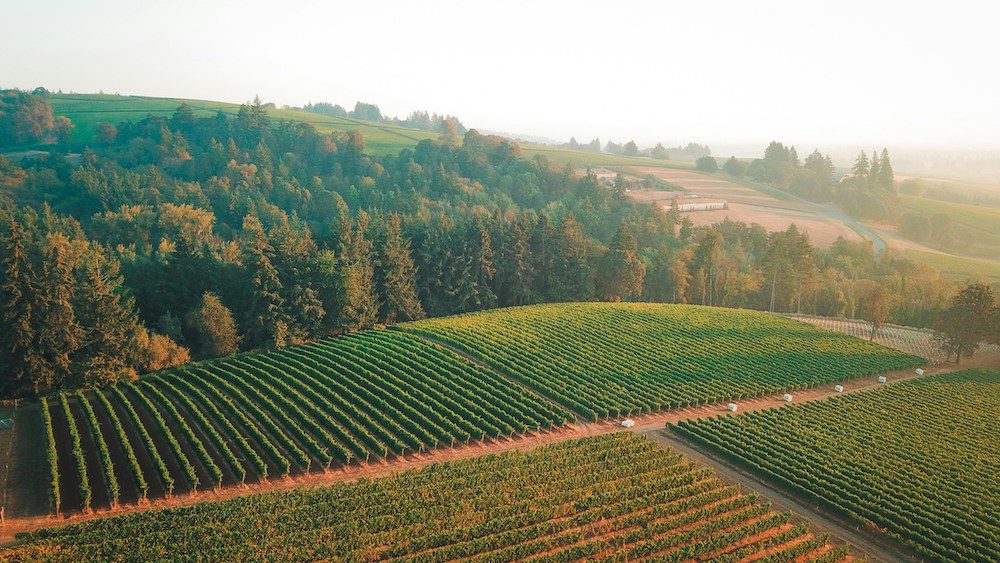
This region is known for its fertile soil and reliable rainfall. It is one of the most productive areas for growing food, making it ideal for those who want abundance.
The existing farming culture also supports a circular approach to living. Access to local markets, suppliers, and reclaimed materials makes it easier to build a homestead rooted in sustainability and resourcefulness.
Legal Factors to Consider Before You Decide Where to Buy Homestead Property
Understanding zoning laws is essential when deciding where to buy homestead property. Regulations determine whether you can raise animals, build additional structures, or install systems like composting toilets and rainwater collection.
Water rights are equally important. A property may look perfect on the surface, but without secure access to water, maintaining a homestead becomes significantly more difficult.
Always confirm what is permitted before purchasing. This step protects your vision and ensures that the systems you want to build can actually be implemented.
Climate and Soil: The Foundation of Self-Sufficiency
Climate directly impacts what you can grow and how you design your homestead. Warmer regions offer longer growing seasons, while colder climates require more resilient systems.
Instead of fighting the environment, the most successful homesteads work with it. This is where thoughtful design and upcycling come into play. Climate is a non-negotiable when it comes to the homestead market. For a large garden, plenty of sun, rainfall, and soil fertility are a must. Long seasons can yield more, but need water management. Cold climates benefit from repurposed greenhouse builds and thermal mass solutions, while wetter regions can incorporate rainwater harvesting and natural irrigation systems.
Soil, climate, and creativity work together. When aligned, they reduce effort and increase output.
Community and Infrastructure Still Matter
Even the most independent homesteaders benefit from a supportive community. Access to roads, hardware stores, healthcare, and local markets makes daily life more manageable.
A strong community also offers knowledge. Learning from others who are already living this lifestyle can save time, money, and unnecessary trial and error.
Homesteading is not isolation. It is intentional connection, both to the land and to the people around you.
Final Thoughts on Where to Buy Homestead Property
Choosing where to buy homestead property is about more than land. It is about aligning your environment with the life you want to build.
Some locations offer affordability and freedom. Others provide fertile ground and strong infrastructure. The right choice depends on your priorities, your vision, and your willingness to adapt.
At its core, homesteading is the ultimate upcycle. You take what is available, work with it creatively, and build something that is both beautiful and sustainable. The right property simply gives you the space to begin.
