
Upcycled home improvement projects are becoming an increasingly popular way to upgrade your space without taking on the full cost of buying new. As the cost of living continues to rise, more homeowners are choosing to work with what they already have, transforming pre-loved furniture and overlooked materials into something functional, beautiful, and entirely their own.
There’s a certain satisfaction that comes with this process. Upcycling isn’t just about saving money, it’s about shifting how you see your home. Pieces that once felt tired or outdated suddenly become opportunities. That said, not every project is worth pursuing, and not every approach leads to a good result. Knowing what to lean into—and what to avoid—can make all the difference.
Do Look for Good Bones
When it comes to upcycled home improvements, the starting point matters more than people think. You don’t need a perfect piece, but you do need a solid one. Furniture with strong construction, like solid wood frames or well-made joints, gives you something reliable to build on.
A sturdy base allows you to focus on the transformation rather than getting stuck in endless repairs. On the flip side, pieces that are warped, unstable, or poorly made can quickly drain your time and budget. What looks like a quick flip can turn into a full rebuild, which defeats the purpose of keeping things simple and cost-effective.
If you’re unsure, take a moment to physically test the piece. Does it wobble? Are the joints secure? These small checks can save you from committing to something that won’t hold up in the long run.
Do Source Responsibly for Upcycled Home Improvement Projects
Upcycling works best when the sourcing process is just as intentional as the project itself. It’s easy to get caught up in the thrill of finding something cheap, but value isn’t just about price, it’s about potential.
Secondhand spaces like thrift shops, garage sales, online marketplaces, and salvage yards are full of options. The key is to approach them with a clear eye. Instead of asking “Is this inexpensive?” ask “Is this worth saving?” That shift alone will lead you to better choices.
When you source thoughtfully, you stay aligned with the spirit of upcycling. You’re not just acquiring more things—you’re selecting pieces that actually deserve a second life.
Do Invest in the Right Tools
You don’t need a workshop full of equipment to get started, but having a few dependable tools will make your projects smoother and far more enjoyable. The difference between a frustrating experience and a satisfying one often comes down to how prepared you are.
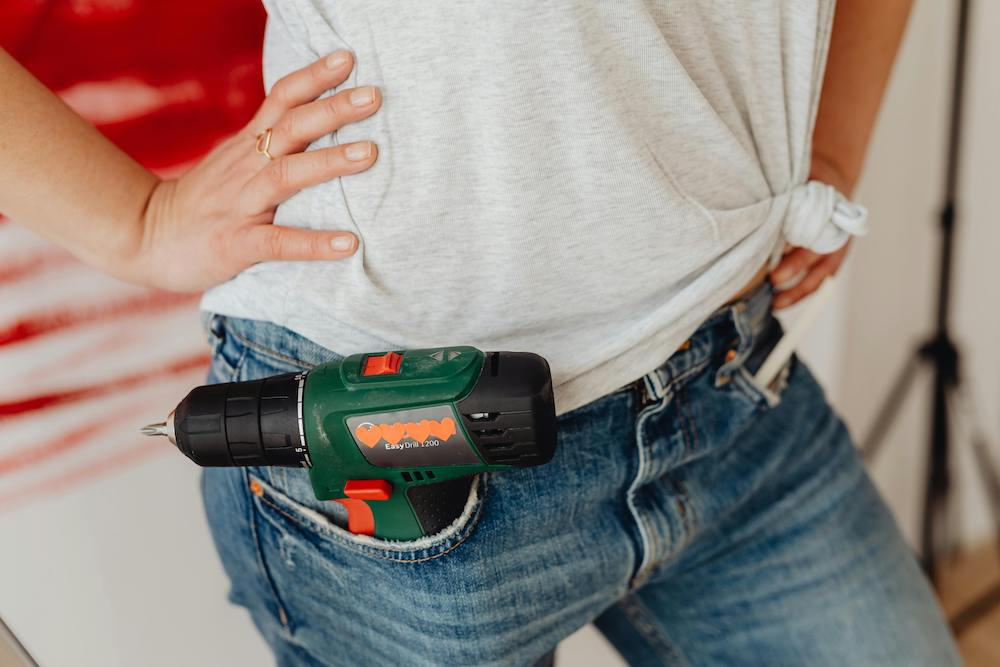
A cordless drill, a reliable sander, and a solid set of basic hand tools can take you surprisingly far. These aren’t just conveniences, they directly impact the quality of your finish. A well-sanded surface, for example, is what allows paint or stain to look clean and intentional instead of uneven or rushed.
It’s worth choosing tools that feel good in your hands and hold up over time. You’ll use them again and again, and they’ll quietly elevate every project you take on. Makita is one of the leading manufacturers of repair power tools, offering a wide range of products. The best part? You can get freebies and discounts for buying Makita tools. Sydney Tools Makita redemption claim is available upon buying Makita tools.
Don’t Skip Proper Prep in Upcycled Home Improvement Projects
If there’s one place people try to cut corners, it’s preparation—and it shows. Rushing into painting or refinishing without properly prepping the surface almost always leads to disappointing results.
Taking the time to clean, sand, and repair may not be the most exciting part of the process, but it’s what creates that polished, finished look. Without it, even the best design ideas can fall flat. Paint won’t adhere properly, finishes can look patchy, and imperfections become more noticeable rather than less.
Think of prep as the foundation. When it’s done well, everything that comes after feels easier and looks better.
Don’t Overspend on Upcycled Home Improvement Projects
One of the biggest advantages of upcycled home improvements is that they allow you to improve your space without stretching your finances. But that benefit disappears quickly if you lose track of your spending.
It’s surprisingly easy to justify extra purchases in the name of making something “better.” A new handle here, a specialty paint there, and suddenly the project costs more than buying something new would have.
Instead, pause and look at what you already have. Leftover materials, unused hardware, or even pieces from previous projects can often be repurposed in ways you didn’t initially consider. Working within those limits tends to spark more creativity, not less.
The Upcycling Mindset
At its core, upcycling is less about the objects themselves and more about how you approach them. It’s a shift from consumption to creativity, from replacing to reimagining.
When you start to see your home through that lens, everything changes. A worn table becomes a future statement piece. An old cabinet turns into extra storage with character. The process becomes less about perfection and more about possibility.
Whether you’re starting with a single project or slowly transforming your entire space, upcycled home improvements offer a way to create something that feels both intentional and personal. And in a world where everything can feel disposable, that kind of connection to your space matters more than ever.
